As an Amazon Associate, we earn from qualifying purchases. Some links on this site are affiliate links at no extra cost to you. Our recommendations are based on thorough research and editorial judgment.


What Are Concussion Protocols In American Football?

Concussion protocols in American football, particularly within the NFL, are designed to promote player safety regarding head injuries. Established in 2011, these protocols emphasize rapid identification, thorough diagnosis, and immediate management of suspected concussions. Medical personnel are required to assess symptoms using standardized tools and conduct a mandatory observation period. The return-to-play process is structured in five phases and involves evaluation by team physicians and independent neurological consultants to guarantee safe reintegration. Further exploration reveals additional key aspects of these protocols.
Key Takeaways
- Concussion protocols in American football are designed to enhance player safety and are reviewed regularly to align with the latest medical standards.
- The identification and diagnosis of concussions involve immediate evaluation by medical personnel, using tools like the SCAT5 and baseline comparisons.
- Players suspected of having a concussion must be removed from play and monitored, prioritizing cognitive rest to facilitate recovery.
- The Return-to-Play process consists of a structured five-phase protocol ensuring safe reintegration into practice and competition, requiring medical clearance.
- Challenges in concussion protocols include diagnosis variability, enforcement inconsistencies, and the need for continuous improvement to ensure player safety.
Overview of NFL Concussion Protocols
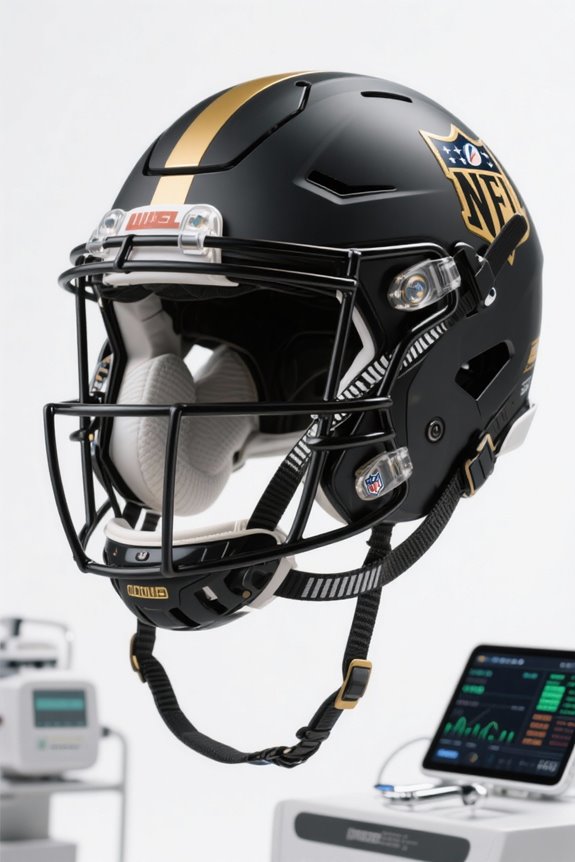
Established in 2011, the NFL Concussion Protocol serves as an extensive framework designed to manage player safety and health regarding head injuries. This protocol is regularly reviewed to align with current medical consensus, emphasizing the importance of concussion education and player awareness. Enforcement policies investigate compliance among teams, with non-compliance potentially resulting in fines or forfeiture of draft picks. Since the 2020 season, significant enhancements have been implemented, including behavior modification through the Injury Reduction Plan, initiated after a notable increase in concussions in 2017. Independent committees, including the NFL Head, Neck, and Spine Committee, continuously provide expertise, ensuring that updates are based on evidence and align with the latest advancements in concussion management. Additionally, implementing advanced technologies in football helmets has been critical in reducing head injuries on the field.
Recommended Products

Virginia Tech 5-Star helmet; ranked 1st among 34 helmets tested with a 0.19 score (Average 2024 5-Star youth helmet: 2.74 – lower score indicates better performance)

Named top-ranked helmet by NFL & NFLPA helmet laboratory testing

Virginia Tech 5-Star helmet; ranked 1st among 34 helmets tested with a 0.19 score (Average 2024 5-Star youth helmet: 2.74 – lower score indicates better performance)
Identification and Diagnosis Procedures
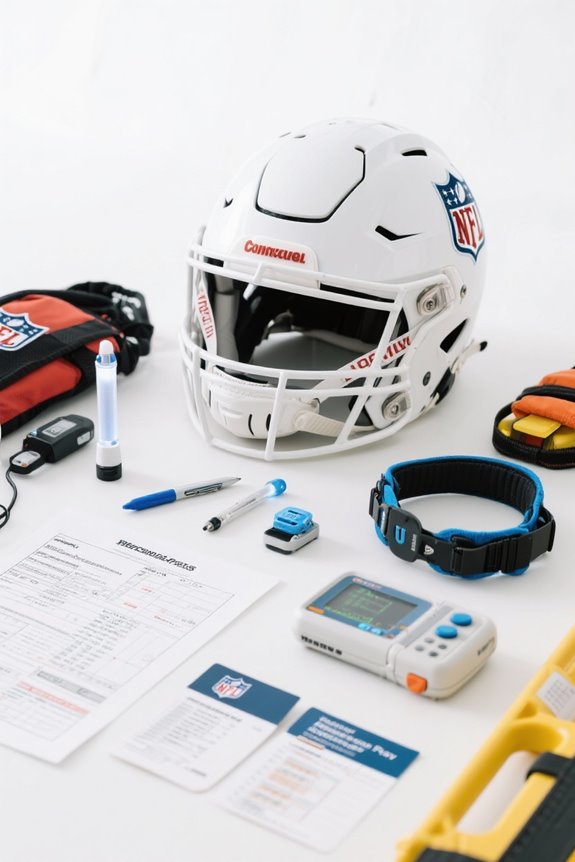
Identifying and diagnosing concussions in American football involves a structured and systematic approach, aimed at ensuring player safety following head injuries. Medical staff evaluate players immediately for clear signs, such as loss of consciousness or amnesia, and monitor player symptoms like headaches or dizziness. The NFL employs assessment tools such as the SCAT5, comparing scores against preseason baselines to confirm potential concussions. Team physicians make ultimate diagnoses, while Athletic Trainers and independent consultants play critical roles in monitoring and ensuring timely evaluations. Players are encouraged to self-report symptoms, and persistent issues result in ongoing assessments. This collaborative framework illustrates the commitment to effective identification and diagnosis within the league, emphasizing thorough, peer-reviewed protocols for player safety. Additionally, the importance of high visibility helmets can enhance safety in high-contact sports.
Acute Management and Rest Protocol
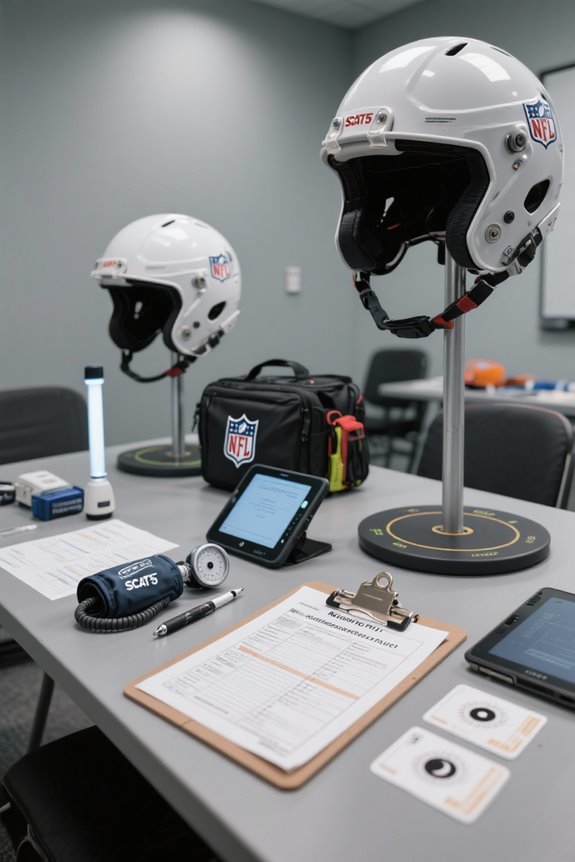
Effective acute management of concussions in American football is critical for ensuring player safety and promoting recovery. When a concussion is suspected, immediate removal from play is essential, followed by a continuous observation period of 15-20 minutes, during which symptoms are regularly reassessed. The athlete must remain out of practice or competition for the day, emphasizing the importance of cognitive rest to facilitate acute recovery. Activities that may exacerbate symptoms, such as heavy concentration or screen time, should be avoided. Education about concussion risks and recovery timelines is crucial for all stakeholders involved, ensuring that players do not return prematurely to sports, which could increase the risk of repeat injuries and long-term complications. Utilizing protective equipment such as 5-pad football girdles can also help minimize the risk of head impacts and related injuries on the field.
Recommended Products

Wilson Pro Gold 2 Chest Protector - Memory Foam, Black/Charcoal, Large/X-Large

UMPIRE CHEST PROTECTOR: This chest protector is designed specifically for umpires and comes equipped with Air Management Technology, which evenly distributes impact force for optimal protection.
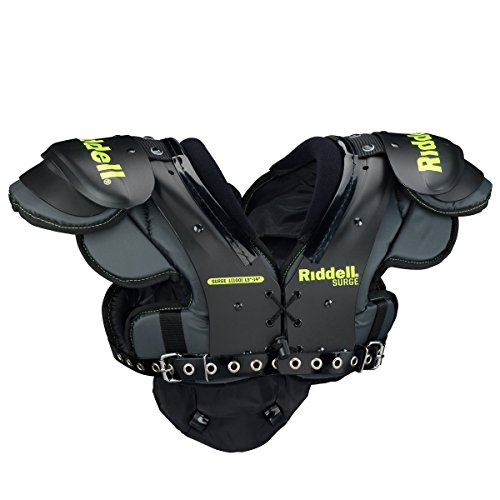
Youth shoulder pad with built-in back plate
Return-to-Play Process
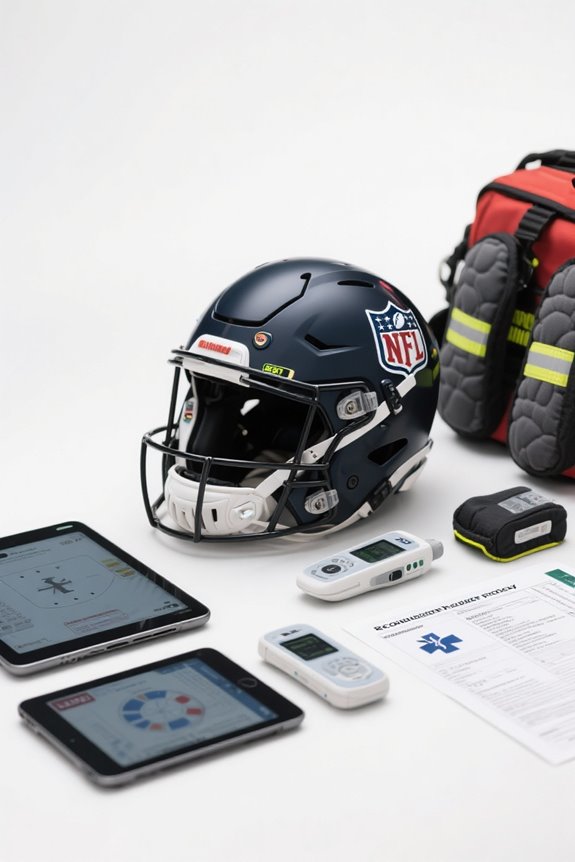
The Return-to-Play (RTP) process in American football is a meticulously structured protocol designed to guarantee the safe reintegration of athletes following a concussion. This five-phase protocol begins with symptom-limited activity, including light aerobic exercise if symptoms remain stable. Monitoring for symptoms is continuous, as athletes progress through increasingly intense return phases, culminating in full medical clearance. Each phase requires no symptom recurrence before advancement, ensuring careful symptom monitoring at every step. The final clearance decision involves both the club physician and an Independent Neurological Consultant (INC), ensuring thorough assessment of neurological status. Individualized consideration of previous concussions and medical history further safeguards athlete health, reinforcing the importance of a cautious and systematic approach in the RTP process. Additionally, athletes wearing appropriate football neck protectors can help minimize the risk of injury during gameplay, which may enhance overall safety as they return to play.
Recommended Products

[Invest in Long-Term Health] The Q-Collar allows athletes of all levels to help safeguard their futures and ensure longevity in the sports they love.
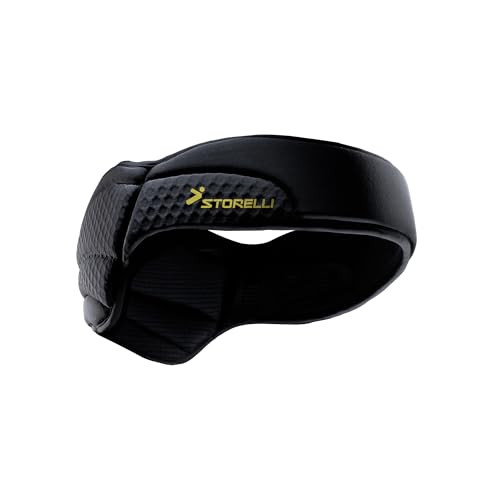
MILITARY GRADE PROTECTION: The Exoshield Head Guard is a highly rated ASTM Certified head protection for soccer and other heavy-duty sports; Armored with 9mm of military-grade Team Wendy Zorbium foam; This foam is used in the U.S. Army, Navy, and Marine Corps helmets; Designed to reduce G-forces to the head up to 50%; Meets FIFA Law 4, NFHS, and ASTM standards

BNQ Cerified Cut Resistan Goalie Neck Guard
NFL Injury Reduction and Medical Research Initiatives
NFL injury reduction and medical research initiatives are pivotal in safeguarding the health of players, both active and retired. The NFL has allocated $40 million for neuroscience research under its Play Smart. Play Safe. initiative, prioritizing injury prevention and player health. A Scientific Advisory Board reviews funding proposals, selecting impactful projects aimed at understanding concussion mechanisms and rehabilitation strategies. The NFL Players Association supports extensive medical studies, including a Harvard-led research project with over 2,700 participants, focusing on concussions and neurodegenerative diseases. Innovative diagnostic efforts, such as gut microbiome research, aim to enhance concussion severity assessment. These funding allocations underscore a commitment to medical advancements that prioritize the long-term health and safety of all players, with significant benefits arising from structured training programs that can help prevent injuries through improved physical conditioning.
Limitations and Challenges in Concussion Protocols
Challenges in the concussion protocols established in American football have become increasingly apparent, despite significant investments in player safety initiatives. One major issue lies in the diagnostic challenges, as concussion symptoms can be delayed or vary widely, complicating immediate assessment. The lack of validated biological markers for diagnosis further hinders accurate identification. Enforcement issues arise from ambiguities in the application of protocols, allowing exceptions that can undermine strict safety measures, such as when players are cleared despite “no-go” symptoms. Additionally, documentation inconsistencies and conflicts of interest among teams can lead to significant enforcement gaps, diminishing the overall effectiveness of concussion management protocols. This multifaceted landscape necessitates ongoing scrutiny and enhancement to prioritize player safety thoroughly. Regular helmet reconditioning services are essential in maintaining safety compliance and addressing potential injury risks.
Role of Medical Professionals in Player Safety
Player safety in American football heavily relies on the expertise and vigilance of medical professionals who are tasked with implementing concussion protocols designed to protect athletes. Teams employ independent medical staff, including Unaffiliated Neurotrauma Consultants (UNCs), to guarantee unbiased assessments during games, reflecting the principles of medical ethics and player advocacy. These professionals conduct thorough evaluations using standardized checklists and collaborate with other medical personnel to prioritize player health. In concert with the NFL’s Head, Neck and Spine Committee, they update protocols annually to align with the latest research. By following a strict return-to-play protocol, which includes independent evaluations, medical professionals aim to safeguard players’ long-term well-being while upholding their ethical responsibility to intervene when concussions are suspected. Additionally, the use of durable materials in sports gear, like flag football belts, can help minimize injuries during play.
The Impact of Technology on Concussion Management
As advancements in technology have emerged, the management of concussions in American football has markedly evolved, enhancing both detection and prevention strategies. Technology integration, including AI-driven platforms, has contributed to a 17% decline in NFL concussions by analyzing player movement and impact data. Real-time analytics provide immediate alerts for high-risk situations, facilitating prompt medical intervention. Wearable sensors track head impacts and aid in diagnosing suspected concussions by quantifying trauma. Mobile applications enhance symptom tracking, improving the accuracy of concussion detection while supporting communication between athletes and healthcare providers. In addition, advanced video review systems enable medical staff to assess injuries using multiple camera angles, ensuring timely evaluations during games, thereby underscoring the substantial impact of technology on player safety. Furthermore, innovations in concussion management strategies have led to more comprehensive protocols to safeguard athletes in high-contact sports.
Recommended Products

VERSATILE LIGHTING: The WH23R has an independent floodlight and spotlight that can be activated separately for seven lighting modes (three spotlight levels/ three floodlight levels) or together for a Turbo combo 600 lumen mode.

94Fifty is the official Smart Basketball of the National Association of Basketball Coaches

Full coverage case with screen protector compatible with Fitbit luxe and luxe special edition fitness tracker.
Future Directions in Concussion Research and Protocols
What avenues remain unexplored in the quest for better concussion research and protocols? Future research must address the cumulative impacts of repetitive, moderate head trauma that often precede acute concussive events, which may contribute to chronic conditions like CTE. Enhancing player education on concussion symptoms and the significance of reporting them may help decrease the stigma and pressures influencing players to conceal their injuries. Additionally, improving diagnosis through objective tools and biomarkers, alongside thorough safety policies, remains pivotal. Collaboration among the NFL, academic institutions, and military research can yield advanced insights into the neurobiology of concussions, fostering more effective protocols. Addressing these challenges may lead to better outcomes for players and enhance overall safety in American football. Implementing strategies based on effective training programs that incorporate injury risk minimization could also support player safety.
Frequently Asked Questions
How Can Players Advocate for Their Own Safety During Games?
Players can advocate for their safety during games through self-advocacy strategies, including actively participating in player awareness initiatives, openly communicating symptoms with coaches, and prioritizing adherence to safety protocols, ensuring timely medical evaluations and protective measures.
What Educational Programs Are Available for Coaches About Concussions?
In the domain of safety education, various coaching certifications and safety seminars illuminate the path for coaches. Programs like NFHS Learning Center and CrashCourse provide essential knowledge on concussion management and athlete protection, enhancing sports safety culture.
How Do Concussion Protocols Differ Across Other Sports?
Concussion protocols vary considerably across sports; rugby mandates immediate removal for concussion signs, while hockey standards involve baseline testing. Both feature distinct return-to-play criteria, highlighting the diverse approaches to managing athlete safety and recovery.
What Role Do Fans Play in Promoting Player Safety?
Fans drive player safety through heightened awareness, passionately advocating for extensive safety campaigns. Their vocal support fosters environments prioritizing health, encouraging players to report symptoms, ultimately influencing vital changes in policies, equipment, and cultural attitudes within sports.
Are There Financial Implications for Teams Regarding Concussion Protocols?
Yes, teams incur financial responsibility through penalties for non-compliance with concussion protocols, alongside liability issues from potential lawsuits. This dual financial impact necessitates ongoing investment in medical oversight, research, and player health initiatives.


