As an Amazon Associate, we earn from qualifying purchases. Some links on this site are affiliate links at no extra cost to you. Our recommendations are based on thorough research and editorial judgment.

5 Best Football Conditioning Books to Elevate Your Game

To elevate your game, consider these five essential football conditioning books: “Periodization Fitness Training,” which outlines seasonal planning; “Strength Training for Football,” focusing on position-specific exercises; “Conditioning for Football…and Then Some,” integrating strength and endurance; “Complete Conditioning for Football,” offering extensive drills; and “Strength Training for Soccer,” although tailored for soccer, provides valuable insights. Each resource emphasizes targeted training methodologies and effective execution, laying a solid foundation for athletic improvement in football performance. More insights await on how to choose the best resources.
Key Takeaways
- “Strength Training for Football” focuses on tailored strength programs for distinct player positions, enhancing on-field performance.
- “Conditioning for Football…and Then Some” presents a comprehensive 16-week cycle that integrates strength, endurance, agility, and speed training.
- “Complete Conditioning for Football” offers practical drills and workouts aimed at high school coaches, ensuring effective application for player development.
- Quality instructional materials, including visuals and detailed descriptions, enhance the understanding and execution of exercises for better results.
- Position-specific programs adapt workouts to athletes’ needs, maximizing performance and aligning training with competitive seasons.
Periodization Fitness Training – Football Conditioning Program
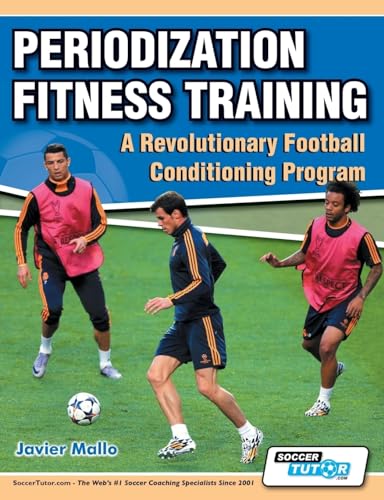

The “Periodization Fitness Training – Football Conditioning Program” is ideally suited for football players and coaches seeking a structured and effective approach to enhance athletic performance. This revolutionary program offers clarity and ease of understanding, making it a favored choice among users. Feedback highlights its appeal as a solid foundation for further learning, often regarded as an essential starting point. Many have found numerous valuable ideas within the program, enhancing training sessions. Additionally, it serves well as a thoughtful gift for football enthusiasts, as one user stated, “A present for my husband. He hasn’t put it down, so it’s a great book.”
Best For: The “Periodization Fitness Training – Football Conditioning Program” is best for football players and coaches looking for a structured way to improve athletic performance.
Pros:
- Offers a clear and easy-to-understand approach to training.
- Serves as a great starting point for those seeking to learn more about football conditioning.
- Provides a wealth of useful ideas for enhancing training sessions.
Cons:
- May not offer advanced techniques for highly experienced football athletes.
- Could require additional resources for comprehensive training beyond the basics.
- Some users may prefer a more hands-on training method rather than a written program.
Strength Training for Football (Strength Training for Sport)

Strength Training for Football (Strength Training for Sport)
- Description|Table of Contents|Editor|Excerpts|Sample Content|Quotes|11 testing protocols for measuring and assessing athletes strength power speed agility endurance and...
For football athletes seeking to enhance their strength training regimen, “Strength Training for Football” serves as an invaluable resource, meticulously tailored to meet the distinct needs of each position on the field. Compiled by expert strength coaches from the NSCA, this book dives into specific exercises designed for muscle groups critical for performance enhancements. It details structured training programs for the off-season, in-season, and recovery phases while providing tailored workouts for each position. The inclusion of periodization strategies and illustrative examples guarantees effective understanding and application, solidifying its reputation as a must-read for serious football players aiming for peak performance.
Best For: Football athletes looking to enhance strength and performance tailored to their specific positions on the field.
Pros:
- Comprehensive training programs designed for off-season, in-season, and recovery with specific workouts for each position.
- Detailed explanations and illustrative photos of exercises that enhance muscle groups crucial for football performance.
- Includes periodization strategies that help in appropriately adjusting workouts based on athletic demands.
Cons:
- Does not cover speed and conditioning aspects, which are essential for overall athletic performance.
- Limited focus on nutrition or recovery strategies beyond the training environment.
- May be too advanced for beginner athletes who require more foundational strength training guidance.
Conditioning for Football…and Then Some
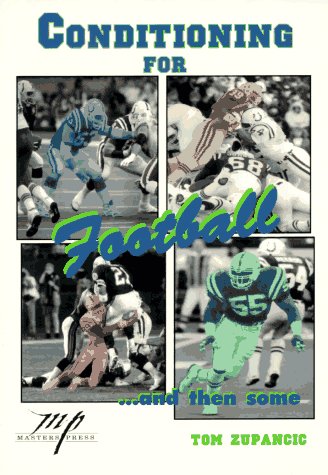
Conditioning for Football...and Then Some
- Used Book in Good Condition
Designed for dedicated athletes, “Football Conditioning Books” offers a thorough conditioning program that targets various aspects of performance enhancement. Zupancic’s extensive plan spans 16-week cycles, combining strength, endurance, agility, and speed training. You’ll follow a structured weekly routine, featuring heavy workouts on Mondays and Tuesdays, a rest day on Wednesdays, and lighter sessions later in the week. Each workout incorporates essential elements, including stretching, weights, running, and drills tailored to specific football positions. Participants have reported substantial improvements in performance metrics, with coaches observing enhancements during games, making this program ideal for committed athletes willing to invest significant time.
Best For: Dedicated athletes looking to significantly enhance their strength, speed, agility, and endurance through an intensive 16-week conditioning program.
Pros:
- Comprehensive program covering all aspects of athletic performance enhancement.
- Positional specificity in drills and exercises tailored for football players.
- Notable improvements in performance metrics observed by both participants and coaches.
Cons:
- Demands a substantial time commitment of 2 to 4 hours per day.
- May not be suitable for athletes with limited availability for training.
- The intensity of the workouts may be overwhelming for less experienced players.
Complete Conditioning for Football
Sale


Complete Conditioning for Football (Complete Conditioning for Sports Series)
- Used Book in Good Condition
Highly regarded within the coaching community, “Complete Conditioning for Football” serves as an essential resource for high school football coaches aiming to enhance player performance. This book includes effective drills and extensive workouts, along with detailed explanations for teaching players various techniques. Despite being somewhat dated, it remains one of the best resources due to its informative content and valuable insights into player development. Coaches appreciate the agility drills and training programs that greatly improve player power. Additionally, tables for athlete testing help identify ideal positions based on individual results, solidifying its reputation in the domain of football conditioning.
Best For: High school football coaches seeking to improve player performance through structured training and conditioning.
Pros:
- Contains a variety of effective drills and workouts tailored specifically for football conditioning.
- Provides detailed explanations that help coaches effectively teach techniques to their players.
- Includes athlete testing tables to assist in determining optimal player positions based on performance metrics.
Cons:
- Some copies of the book may have ink markings or signs of prior use, which can affect readability.
- Instances of damaged books have been reported, potentially impacting usability.
- The content is somewhat dated compared to newer training resources, which may limit its applicability.
Strength Training for Soccer

Strength Training for Soccer
- Description|Table of Contents|Editor|Excerpts|Sample Content|Quotes|10 detailed protocols to test soccer players’ strength power speed agility and high-intensity...
Strength training stands at the forefront of soccer performance enhancement, serving athletes looking to elevate their physical capabilities on the field. This form of training is crucial for improving strength, speed, and agility through targeted gym workouts. However, many current programs overly emphasize gym work, neglecting critical on-field components. Athletes need practical routines that incorporate warm-up exercises, preseason drills, and recovery strategies. Thorough training that merges gym and field work guarantees well-rounded development, essential for soccer performance. Future programs should integrate on-field modules with strength training, providing a holistic experience tailored to meet the specific demands of soccer athletes effectively.
Best For: Soccer players seeking to enhance their performance through a balanced approach to strength and on-field training.
Pros:
- Improves overall athletic performance by focusing on both strength and agility.
- Provides a comprehensive training approach that covers gym workouts and practical on-field exercises.
- Tailored to meet soccer-specific demands, ensuring relevant and effective training strategies.
Cons:
- May require additional resources to properly implement on-field training modules alongside gym workouts.
- Can be time-consuming, as it involves a commitment to both types of training.
- Effectiveness may vary depending on the individual athlete’s commitment and adherence to the program.
Factors to Consider When Choosing a Football Conditioning Book
When you’re selecting a football conditioning book, it’s crucial to take into account several key factors that can influence your training effectiveness. Look for clarity in the training methodology, whether the programs cater to specific positions, and the variety and intensity of exercises provided. Additionally, verify the book includes sound periodization strategies and high-quality instruction to maximize your performance on the field.
Training Methodology Explained
Choosing the right football conditioning book hinges on understanding the training methodologies that underpin effective programs. Effective conditioning often employs a periodization approach, organizing workouts into off-season, pre-season, in-season, and post-season phases. This structure aligns with the diverse physical demands players face throughout the year. Well-constructed methodologies explain specific exercises for various positions, detailing their contributions to overall performance enhancement. Quality programs incorporate strength training, agility drills, and speed training, each designed to improve necessary physical attributes. Additionally, successful methodologies provide extensive instructional materials, including photos and detailed descriptions, which help athletes execute workouts safely. Finally, consider the commitment level required; programs necessitating significant time and effort may offer superior results but may not suit every athlete’s schedule.
Position-Specific Programs Available
Understanding the unique physical demands of various football positions is essential for selecting an effective conditioning book tailored to enhance player performance. Position-specific programs cater to the distinct skill sets and requirements for roles such as quarterback, lineman, or wide receiver. Quality resources include detailed workouts that focus on enhancing strength, agility, and speed relevant to your position. They often outline structured training plans for off-season, in-season, and postseason, addressing the evolving needs throughout the year. The best conditioning books articulate the rationale behind selected exercises, helping you understand how your training impacts on-field performance. Furthermore, exercises concentrate on biomechanics and movement patterns crucial for each position, optimizing your overall effectiveness during gameplay.
Exercise Variety and Intensity
Incorporating a diverse range of exercises stands as a fundamental principle for effective football conditioning programs, ensuring that athletes develop the necessary skills and attributes for success on the field. A thorough program includes strength, agility, endurance, and speed drills, targeting different physical demands. Varying workout intensity, such as alternating heavy and light training days, enhances muscle adaptation and recovery crucial for performance improvement. Additionally, position-specific workouts cater to the unique requirements of each player, facilitating targeted development. Regular inclusion of plyometric and explosive exercises builds the quick bursts of speed and agility essential for gameplay. Furthermore, conditioning time commitments should align with your schedule and dedication to prevent burnout while maximizing sustained improvement.
Periodization Strategies Included
When evaluating football conditioning books, it’s essential to prioritize those that feature well-structured periodization strategies, as these frameworks align training with the various phases of the competitive season. A thorough periodization plan should adapt workouts for specific player positions, addressing distinct physical demands during the off-season, preseason, in-season, and postseason. Additionally, effective books will include insights into the rationale behind periodization, detailing how training intensity and recovery periods can maximize performance while minimizing injury risks. Users should seek resources that explain how to adjust training loads based on athletes’ progress and changing demands. Ultimately, a well-designed program will have clear cycles and shifts, facilitating continuous improvement and peak performance during vital competitions.
Quality of Instruction Provided
The quality of instruction provided in a football conditioning book greatly affects your ability to apply training concepts effectively. A book with clear, well-organized content allows you to grasp essential principles more easily. Look for materials that offer detailed periodization strategies, allowing you to tailor workouts to specific seasonal phases. Additionally, instructional resources featuring illustrative photos and thorough explanations of exercises can considerably enhance your comprehension and execution. High-quality books often include testimonials or case studies, demonstrating how conditioning programs improve metrics like strength, speed, and agility. Finally, verify the program is structured with various drills suited for different positions, extensively addressing all aspects of football conditioning for peak performance gains.
Practical Application Examples
Choosing a football conditioning book necessitates an examination of practical application examples that directly align with your athletic needs. Look for structured workout plans tailored for various playing positions, ensuring the exercises are relevant to the athletic demands you face. Quality books will provide detailed schedules that illustrate how to periodize training through off-season, preseason, in-season, and postseason phases, efficiently aligning fitness with competitive timelines. Visual aids, such as photos or diagrams of exercises, enhance understanding of proper techniques. Additionally, effective conditioning books often outline progress tracking methods, including testing protocols for measuring strength, speed, and agility improvements. Finally, consider resources that incorporate varied training methods, like plyometric and explosive drills, essential for enhancing specific physical qualities necessary for football performance.
Time Commitment Required
Understanding the time commitment required for football conditioning programs is vital, as these programs can demand significant dedication and regularity from athletes. The time commitment can vary greatly; some programs require daily workouts lasting between 2 to 4 hours, particularly in intensive training phases. Many training regimens are structured into cycles, often spanning 16 weeks, with specified workout types and intensities on designated days. This structure requires a consistent time investment, affecting personal schedules. Additionally, the focus on particular muscle groups on specific days necessitates careful planning. While some programs are designed to fit various schedules, offering flexibility in workout length and frequency, recognizing the trade-off between time and the effectiveness of training is essential for peak performance.
Adaptability to Skill Levels
When selecting a football conditioning book, it’s essential to contemplate how well it accommodates varying skill levels among athletes. Look for resources that offer a range of exercises tailored for both beginners and advanced players, ensuring you can progress effectively. A well-structured program includes detailed explanations, enhancing understanding and execution for all competencies. Assess whether training routines allow for gradual progression, enabling you to increase the intensity as your skills improve. Additionally, choose books featuring adaptable workout plans specific to different positions, catering to unique requirements. Finally, opt for resources that present various intensities, allowing you to select sessions that align with your current fitness level and conditioning needs, ensuring a personalized training experience.
Frequently Asked Questions
How Do I Select the Right Book for My Skill Level?
To select the right book for your skill level, first assess your current understanding of football conditioning, much like evaluating a map before a journey. Look for titles tailored to your experience, whether beginner or advanced. Check reviews and recommendations from credible sources, focusing on specific training methods and testimonials. Additionally, preview table contents or samples to ascertain the material aligns with your goals, allowing you to progress effectively and safely in your conditioning journey.
What Is the Ideal Age to Start Football Conditioning Training?
The ideal age to start football conditioning training is around 10 to 12 years old. At this age, young athletes can effectively develop their physical abilities and build a foundation for advanced skills. According to the American Academy of Pediatrics, age-appropriate conditioning can enhance performance while minimizing injury risks. Focus on basic strength, endurance, and agility exercises, gradually increasing intensity, ensuring the program remains safe and suitable for their developmental stage.
Can Conditioning Books Be Useful for Young Athletes?
Yes, conditioning books can be extremely useful for young athletes. They provide structured training programs, teach foundational techniques, and emphasize injury prevention. According to sports conditioning expert Dr. James Smith, “Understanding physical demands and exercises is essential for performance improvements.” By incorporating principles from these texts, young athletes can enhance their fitness levels, develop discipline, and prepare for the rigors of competitive sports, ultimately fostering a more effective training regimen tailored to their needs.
How Do I Combine Insights From Different Conditioning Books?
To combine insights from different conditioning books, start by identifying common principles regarding strength, speed, and endurance. Analyze each book’s workouts, noting variations and their intended effects. Create a personalized training regimen that incorporates these diverse methodologies, ensuring it aligns with your goals and fitness level. Additionally, consult credible sources, like exercise physiologists, to validate your approach. Document your progress regularly, making adjustments based on performance metrics and feedback from experienced trainers.
Are There Online Resources or Supplements to These Books?
Yes, numerous online resources and supplements can enhance your understanding of conditioning. Websites like the National Strength and Conditioning Association (NSCA) provide articles, videos, and webinars, designed to complement your reading. Additionally, platforms like CoachTube offer specific courses led by experts in sports conditioning. Engaging with these virtual materials allows you to gain practical insights and real-world applications, ensuring a more thorough grasp of effective training strategies within your football conditioning regimen.