As an Amazon Associate, we earn from qualifying purchases. Some links on this site are affiliate links at no extra cost to you. Our recommendations are based on thorough research and editorial judgment.


How Do Shoulder Pads Protect Football Players?

Shoulder pads protect football players by utilizing advanced materials and innovative designs to absorb and disperse impact forces. The outer shell, made from high-impact polymers, combines with shock-absorbing foam to enhance energy distribution during collisions. Structural components, such as left and right arch members, provide stability. Additionally, moisture-resistant closed-cell foam maintains hygiene, preventing bacteria buildup. Proper fitting guarantees maximum coverage with no gaps, greatly enhancing on-field safety. Further insights reveal the ongoing advancements in shoulder pad technology.
Key Takeaways
- Shoulder pads feature durable outer shells made from high-impact polymers to withstand forces during play, providing essential protection to players.
- Shock-absorbing foam within the pads disperses impact force efficiently, significantly reducing the risk of injury.
- Innovative designs incorporate moisture-resistant materials, preventing sweat and bacteria buildup for enhanced comfort and hygiene.
- Advanced material technology, such as Thermoplastic Urethane, offers superior impact absorption, further protecting players from collisions.
- Proper fitting and alignment ensure maximum coverage and stability, minimizing exposure to injury during gameplay.
Components of Shoulder Pads
Shoulder pads are a critical component of football equipment, designed to provide protection and support for players during gameplay. The assembly of shoulder pads is influenced by shoulder pad materials and structural design, ensuring optimal safety. The outer shell is generally made from rigid plastic, often molded from high-impact polymers for durability, while the inner padding consists of shock-absorbing foam, enhancing impact distribution. Structural components include the central body, formed by left and right arch members, providing a supportive framework. Additional protective features such as shoulder cap pads cover the shoulder joint, while epaulets extend over the upper arms. Advanced models may integrate hybrid materials for comfort and performance, allowing players to customize their gear based on positional needs and preferences. Many models also incorporate shock absorption technology, which significantly enhances the player’s safety during impacts.
Recommended Products

Medium + Super Skill Combination: Configured with - Super Skill Arch, Super Skill Epaulets, Super Skill Cups and a Skill 3/8” Shoulder Foam. Each shoulder pad and size combination is uniquely configured by our experts to ensure maximum safety and performance for your exact needs on the field.

PROTECTION FOR TOUGH POSITIONS: TAG ALT4-950 shoulder pads feature high-impact polycarbonate epaulets and NV815 super foam for top energy absorption, built specifically for running backs, linebackers, fullbacks and defensive backs.
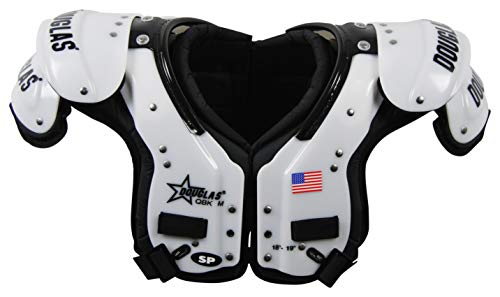
Protection Features
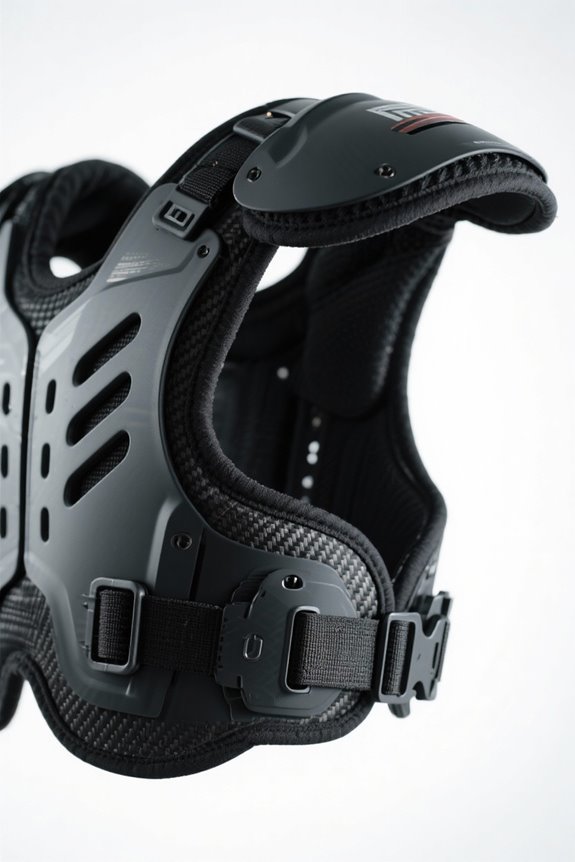
Football equipment prioritizes player safety, and the protection features of shoulder pads are designed to mitigate the risks associated with physical collisions on the field. These pads utilize advanced materials, such as Thermoplastic Urethane (TPU), which provide superior impact absorption through energy distribution across a larger surface area. Incorporating open-cell foam with sealed air cells, they effectively disperse force, enhancing player safety during high-impact scenarios. Additionally, moisture resistance is integral; closed-cell foam systems maintain a lighter, drier experience by resisting water and sweat absorption. This not only promotes player comfort but also helps prevent bacteria and odor buildup, thereby contributing to overall hygiene. Such innovative designs guarantee players remain protected and comfortable throughout the game, and Schutt shoulder pads exemplify these advanced protective features.
Recommended Products

Slim profile with shorter caps allowing unrestricted arm movement and flexibility

ADVANCED IMPACT TECHNOLOGIES: CURV thermoplastic composite internal/external arch and epaulette
ADVANCED IMPACT TECHNOLOGIES: CURV thermoplastic composite internal/external arch and epaulette
Safety Standards
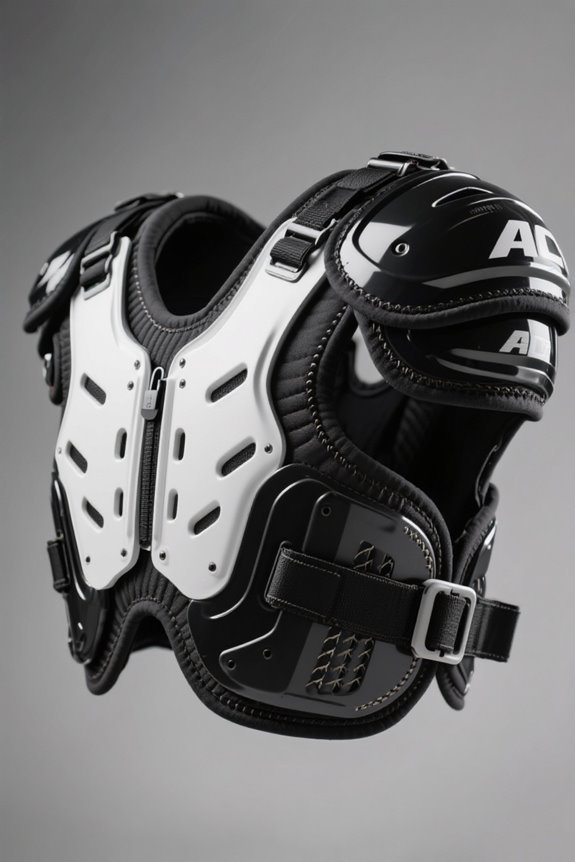
The landscape of safety standards for shoulder pads in football is currently characterized by a notable absence of formalized national regulations. While organizations require the use of shoulder pads, they lack specific performance criteria or protection benchmarks. Regulatory compliance is primarily based on general equipment rules, with officials ensuring that the equipment is legal rather than performing safety verification. The National Operating Committee on Standards for Athletic Equipment (NOCSAE) is researching potential safety standards, focusing on injury prevention and the effectiveness of existing pads. Despite these efforts, parents and coaches are advised to select pads that meet available certifications, which are not yet standardized. As research progresses, it is anticipated that future regulations could fundamentally enhance safety standards for shoulder pads in football. Additionally, selecting shoulder pads with high-density foam padding can significantly improve protection during impacts.
Recommended Products

One Bundle, Full Coverage: Shoulder pads, back plate, and wrist coach working together to give skill position players everything they need — protection, breathability, and play management all in one package.

YOUTH FOOTBALL PADS SET: Youth football shoulder pads bundle includes the ALT III 944 pad, ABP702 youth back plate, and TQW350 youth quarterback wrist band. Pad size: Large (14"-15" shoulder, 100-120 lbs player weight). To measure for TAG shoulder pads, measure your chest and shoulder width. If you are between sizes, we recommend following your accurate shoulder measurement instead of the shoulder width.

Dominate the field with our Tackle Wheel Football Dummy: Take your tackling skills to the next level with our high-quality tackle wheel football dummy. perfect for youth football players and seasoned pros alike, this dummy is designed to withstand the most challenging training sessions and help you dominate on the field. Covered with high quality vinyl resistant to rip and tear.
Technological Advancements
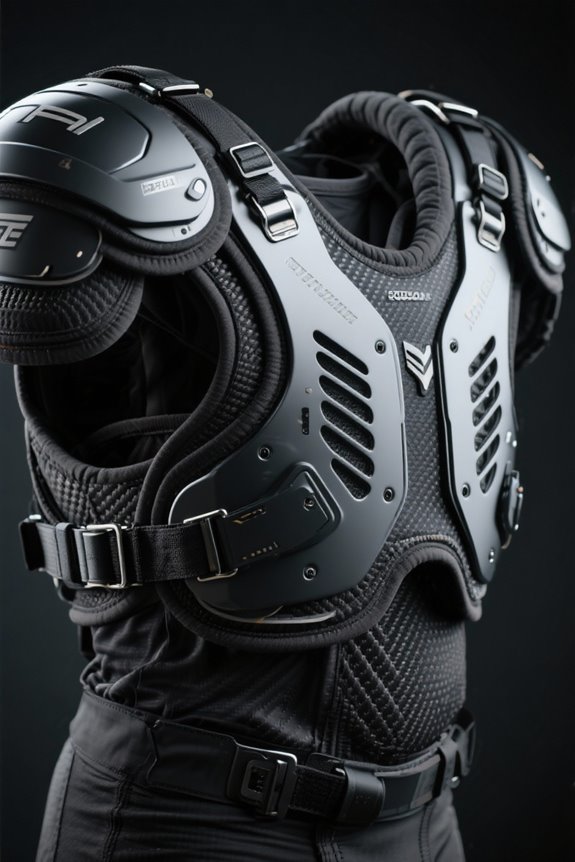
Advancements in technology have led to significant improvements in the design and efficacy of shoulder pads used in football, enhancing player safety and performance. Recent padding innovations have resulted in materials that can absorb up to 25% more force, which is critical in reducing the risk of injury. The integration of material science principles, such as geometric design and redesigned interiors, has created cushions capable of absorbing six times more energy than traditional foams. Additionally, 3D printing technology allows for customized padding tailored to specific player needs, further improving protection. These advancements contribute to the development of lighter, sleeker shoulder pads that provide enhanced mobility while ensuring targeted protection for players based on their unique positions and risks. Advanced impact protection has become a standard feature, significantly reducing injury risks on the field.
Recommended Products
ADVANCED IMPACT TECHNOLOGIES: CURV thermoplastic composite internal/external arch and epaulette
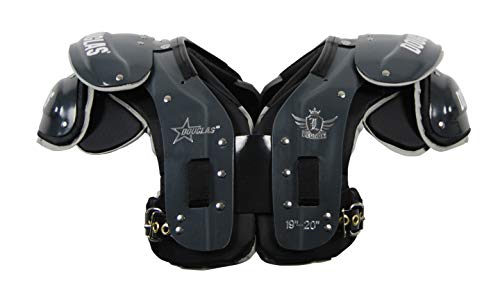
Great for OL, DL, LB, DE, TE
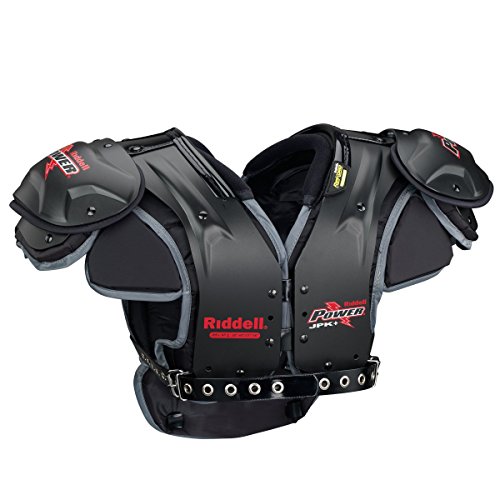
Integrated RipKord Technology
Proper Fitting
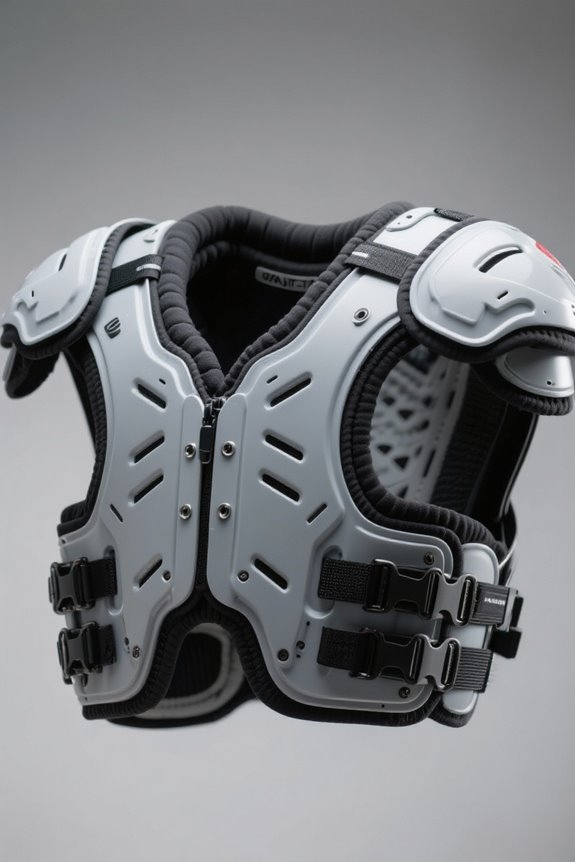
Proper fitting of shoulder pads is a fundamental aspect of player safety and performance in football, enhancing the protective benefits offered by modern technological advancements. Accurate measurements are essential for ensuring an ideal fit; chest circumference must be measured at its widest point, while shoulder width should be taken from the left to right AC joints. Using these fitting techniques allows for appropriate sizing, corresponding with the player’s weight and build. Regular re-measurement is essential as athletes grow or their body composition changes, ensuring continued protection. Proper alignment, strap adjustments, and stability of the pads also play significant roles. Coverage must be verified, as no gaps should exist between pads and the body, minimizing exposure to injury during play. Selecting lightweight and breathable shoulder pads contributes to improved performance and injury prevention on the field.
Recommended Products

Size Large. The ALT4-950 football shoulder pad from TAG features high energy absorption, durability, comfort, and flexibility. For running back, defensive back, fullback and line backer positions. To measure for TAG shoulder pads, measure your chest and shoulder width. If you are between sizes, we recommend following your accurate shoulder measurement instead of the shoulder width.

YOUTH FOOTBALL PADS SIZE: Medium. To measure for TAG shoulder pads, measure your chest and shoulder width. If you are between sizes, we recommend following your accurate shoulder measurement instead of the shoulder width.

Skill is the shoulder pad cut, designed for skill positions (QB, WR, DB)
Frequently Asked Questions
How Often Should I Replace My Shoulder Pads?
“An ounce of prevention is worth a pound of cure.” To guarantee player safety, shoulder maintenance advises replacing shoulder pads every ten years and inspecting them regularly for signs of wear or damage.
Can Shoulder Pads Be Used for Other Sports?
Shoulder pad versatility for multi-sport usage remains limited. While innovative designs may enhance protection, the bulkiness and weight hinder agility required in sports like soccer and basketball, making widespread adoption unlikely without significant redesign efforts.
What Is the Weight Difference Between Various Shoulder Pads?
The weight comparison of shoulder pads reveals a range from 3 to 9 pounds. Players in skill positions typically use lightweight padding materials, while linemen opt for heavier options to enhance protection during high-impact plays.
Are Shoulder Pads Customizable for Different Player Builds?
Shoulder pad designs are indeed customizable for different player builds, accommodating player preferences through adjustable features, sizing variations, and specific designs tailored to enhance both protection and performance relevant to individual roles in football.
How Do I Properly Clean and Maintain My Shoulder Pads?
How can athletes guarantee their shoulder pads remain effective? By employing proper cleaning techniques and maintenance tips, including regular inspections, air drying, and avoiding harsh chemicals, they can extend the pads’ lifespan and protective function considerably.


