As an Amazon Associate, we earn from qualifying purchases. Some links on this site are affiliate links at no extra cost to you. Our recommendations are based on thorough research and editorial judgment.

How Can Parents Ensure Their Children Play Football Safely?

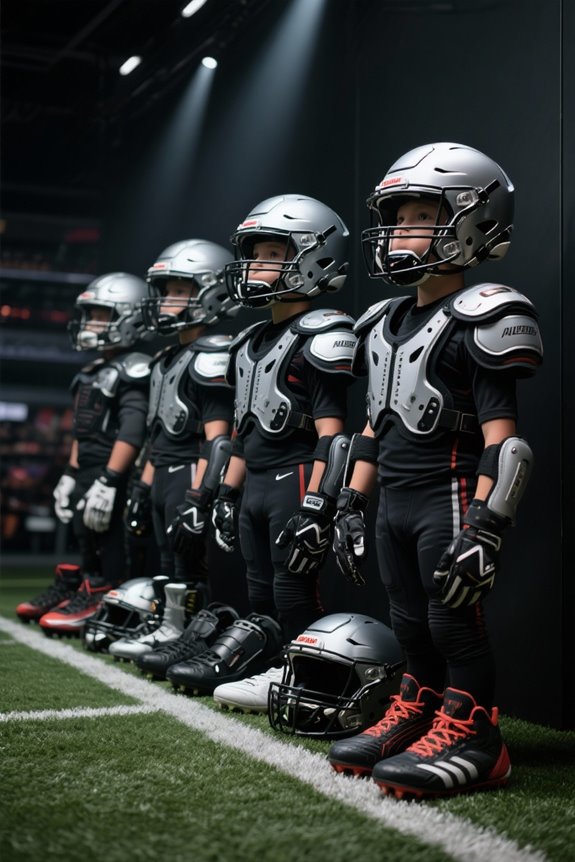
Parents can enhance their children’s football safety by engaging in thorough safety education and advocating for proper techniques. Ensuring coaches are certified and knowledgeable about injury prevention strategies is essential, as many injuries result from unsafe practices. By supporting rule modifications, parents can promote safer gameplay. Additionally, encouraging participation in flag football offers a reduced risk of injury. To further understand effective strategies for safeguarding youth athletes, one can explore additional insights and recommendations from experts in the field.
Key Takeaways
- Ensure your child wears properly fitting helmets and protective gear that meet safety standards to minimize injury risks during play.
- Advocate for the implementation of safety-driven rule modifications that promote safer practices and reduce concussion rates in youth football.
- Teach and reinforce proper tackling techniques to prevent unsafe habits and encourage skill development among young players.
- Understand and support the presence of medical professionals at events to ensure immediate response to injuries and adherence to protocols.
- Encourage active hydration practices before, during, and after practices to mitigate risks of heat-related illnesses, especially in hot weather.
Understanding the Injury Risks in Youth Football
Youth football presents various injury risks that warrant careful consideration by coaches, parents, and medical professionals. Recent injury statistics indicate that approximately 5% of youth players aged 5 to 14 sustain concussions per season, with rates comparable to those in high school football. However, due to anatomical differences, youth players experience concussions at lower head acceleration thresholds. Furthermore, the highest 5% of impacts during practices can reach force levels akin to those in collegiate play, emphasizing the necessity for concussion awareness during training sessions. Most injuries manifest as mild contusions, yet some, like ligament tears, may lead to long-term complications. Consequently, tailored protective equipment and preventive measures are essential to mitigate these risks effectively in youth football. Additionally, investing in helmet reconditioning services can significantly enhance safety by ensuring that protective gear remains in optimal condition.
Choosing Flag Football as an Alternative
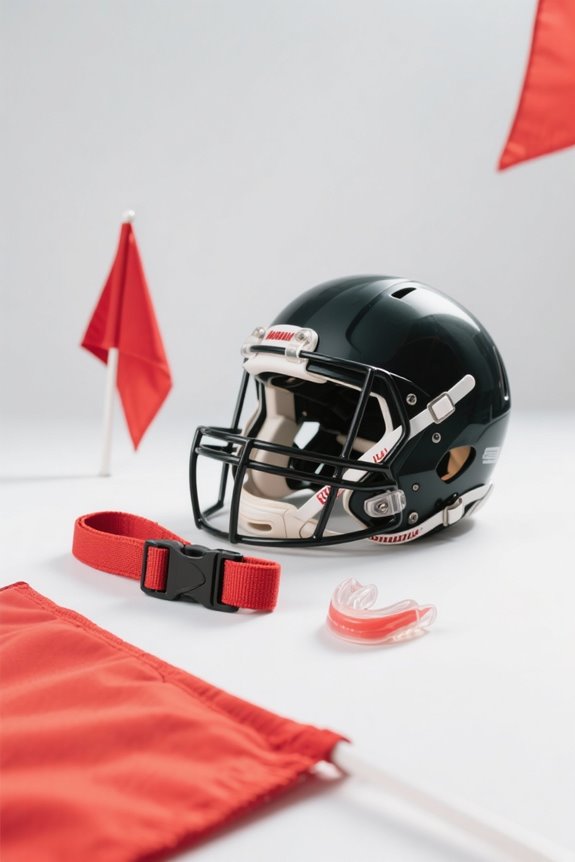
Concerns regarding injury risks associated with tackle football have prompted a growing interest in flag football as an alternative for young athletes. Flag football greatly reduces high-impact collisions by eliminating full-contact tackling, allowing youth participation without the severe risks associated with traditional tackle football. Although some studies indicate that overall injury rates in flag football can be comparable to tackle football, the nature of these injuries typically involves less severe outcomes. The emphasis on skill development, strategy, and teamwork in flag football provides young athletes with the opportunity to learn essential football fundamentals in a safer environment. Additionally, recognizing the potential for long-term neurological harm, flag football emerges as a suitable option for children whose physical and cognitive development remains ongoing. Many parents also appreciate the enhanced safety features included in flag football sets that further reduce the risk of injury during play.
Recommended Products

COLLAPSIBLE/PORTABLE SOCCER GOAL: The Goalazo is a throwback to Kwik Goal’s early roots of popularizing collapsible and portable goals

HANDS-FREE AUTO-TRACKING: BallerCam recognizes the court or field and FOLLOWS THE BALL and key action automatically. The BallerCam doesn't move, but it keeps the play centered digitally. Powered by sports-tracking AI built on 2M+ games.
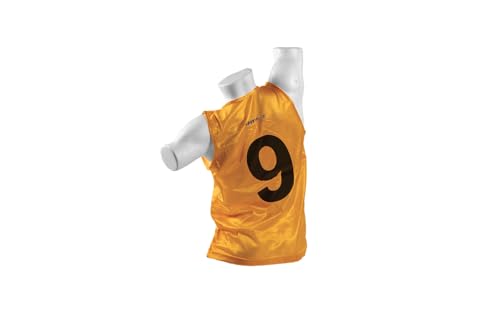
18 Scrimmage Vests - Numbered 1-18(on back only)
Advocating for Rule Modifications
As the landscape of youth football continues to evolve, advocating for rule modifications has emerged as an important strategy to enhance player safety. Evidence shows that implementing safety-driven rule changes, such as limiting full-contact practices, can greatly reduce the occurrence of concussions—by as much as 57% in some studies. While initial penalties may increase as players adjust, long-term adherence leads to safer practices. Coaches strongly support rule changes that improve tackling techniques, indicating an important connection between coach involvement and player safety. However, ongoing rule awareness is essential; safety discussions should occur throughout the season rather than solely during preseason. As football evolves, dynamic rule adaptations remain critical for reducing injury risks among youth players. Additionally, utilizing equipment with high-density foam for training further enhances player safety and skill development.
Importance of Proper Technique and Coaching
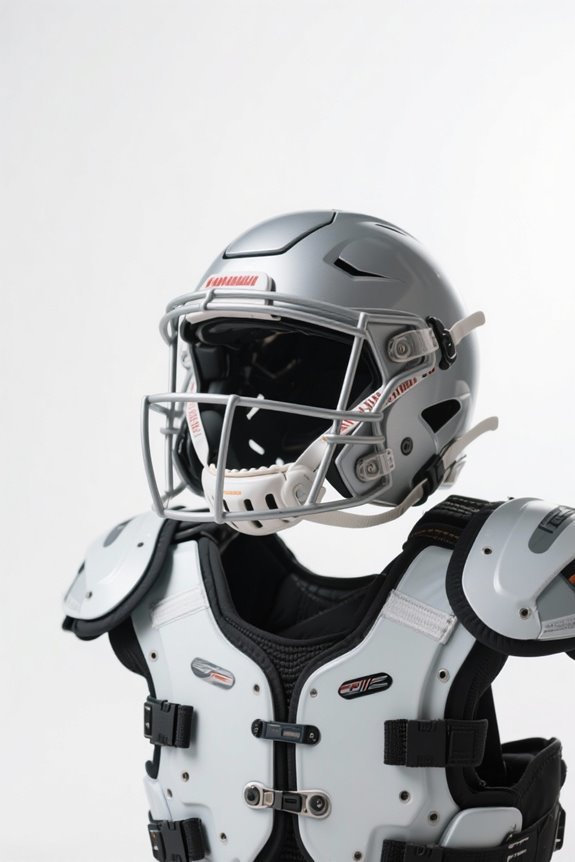
Proper technique and coaching play a pivotal role in ensuring safety for children participating in football, greatly influencing injury prevention efforts. By teaching proper tackling techniques, young athletes can avoid developing unsafe habits, such as head-down tackling, that lead to injuries. Age-specific drills and progressive training strategies enhance understanding of safe contact, gradually increasing the complexity of play while emphasizing posture and appropriate contact points. In addition, incorporating technology, such as digital training tools, enables coaches to visualize techniques for players, ensuring consistent practice of safe methods. Research indicates that structured defensive skill development combined with biomechanically informed coaching reduces reckless hits, thereby fostering a safer playing environment for children. Moreover, utilizing training sleds’ adjustable resistance allows for personalized strength training tailored to individual skill levels. Ultimately, effective coaching strategies are essential for minimizing risks associated with football.
Recommended Products

Weight Sled for Training: Heavy duty Rep Fitness weight sled designed for simple, effective strength and conditioning. Plate-loaded sled accepts Olympic weight plates and delivers scalable resistance for sled workouts, CrossFit training, and athletic development.

Suitable for 1"&2" weight plate. Built with durable steel buckles and sturdy framework, the workout sled provides intense resistance training

VERSATILE TACKLING DUMMY - Durable Tackling Dummy for Football, Basketball, Kickboxing, Martial Arts, and More
Selecting Certified Coaches for Your Child
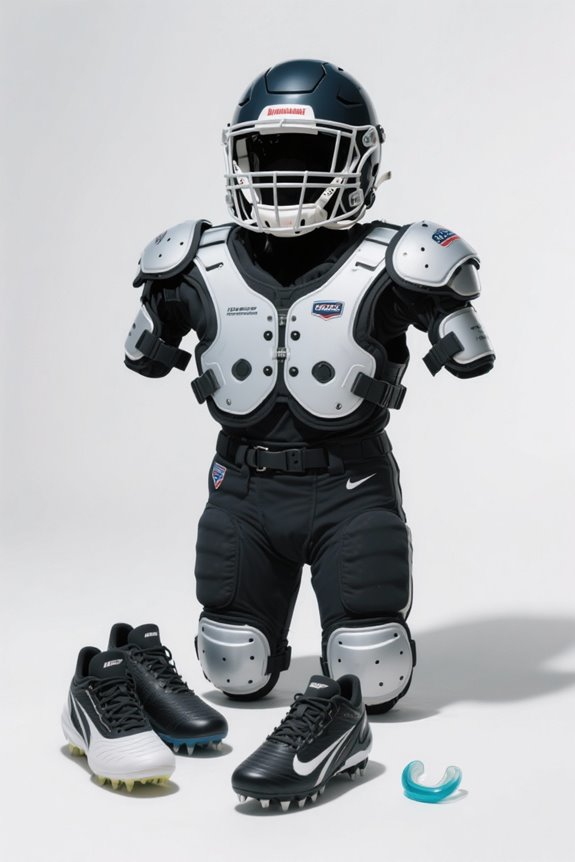
Selecting certified coaches for children involved in football is an essential step towards ensuring their safety and enhancing their overall experience in the sport. The coach selection process should prioritize certifications from recognized programs, as these validate the coaches’ training in age-appropriate skill development, safe techniques, and injury prevention. Certification benefits include an understanding of concussion protocols and emergency response, which considerably reduces injury risks. Additionally, certified coaches receive education on recognizing and reporting abuse, improving the well-being of young athletes. Remarkably, leagues reporting mandatory certification demonstrate enhanced safety outcomes and lower injury rates. By choosing certified coaches, parents contribute to a standardized approach to training, fostering a safer and more enjoyable environment for all players involved in youth football. Furthermore, effective communication with young athletes can enhance learning and boost player confidence, promoting a positive coaching dynamic.
Recommended Products
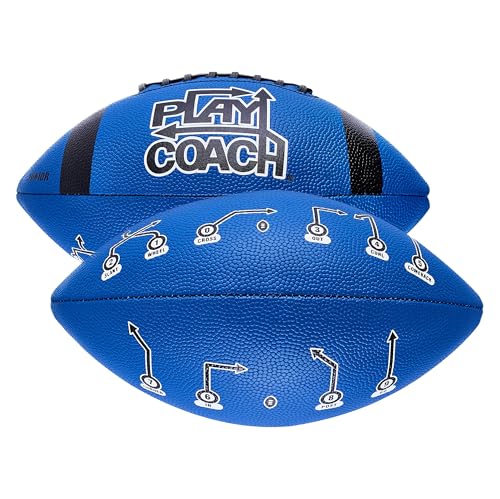
ENDORSED BY DREW BREES - The PlayCoach junior size football with a route tree is endorsed by hall of famer, Drew Brees, giving you the assurance that this junior football is well equipped to help your child learn the fundamentals of the game.

Keith Miniscalco and Greg Kot provide advice you can rely on from first practice to final shot

Scorebook Dimensions: 8 1/2-Inch H x 11-Inch W
Ensuring Proper Equipment and Safety Gear
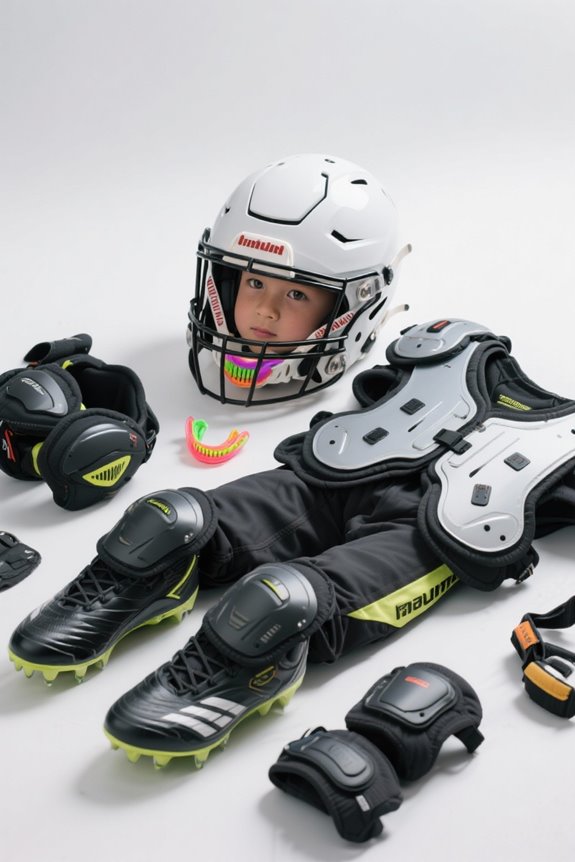
Guaranteeing appropriate equipment and safety gear is essential for minimizing injury risks in youth football, as reliable gear greatly contributes to player safety and performance. All helmets must meet NOCSAE equipment standards, guaranteeing that they are effective in absorbing impacts and minimizing concussion risks. Proper fitting procedures must be followed, including adjustments to forehead, crown, jaw pads, and chin straps to guarantee helmets fit securely without movement. Additional mandatory equipment like mouthguards, shoulder pads, and leg pads also requires careful attention to fit, preventing injury during play. Parents should verify that all personal gear has been certified and approved, while authorized dealers can provide equipment checks every two years, guaranteeing compliance with safety regulations and maintaining structural integrity for peak protection. Choosing shoulder pads with advanced technologies like RipKord Technology can significantly enhance player safety during contact.
Regular Equipment Maintenance Checks
Routine maintenance checks of football equipment constitute an essential aspect of safeguarding players against injury, complementing the foundation established by appropriate gear selection. Regular helmet inspections, conducted both pre-season and during the season, are crucial for identifying stress cracks or any compromised integrity. Employing a reconditioning kit specifically designed for football helmets can service approximately 200 helmets at a time, ensuring proper upkeep. Additionally, shoulder pads require thorough inspections for damage and must be reconditioned every one to two years, while daily cleaning of cleats and gloves is essential to prevent bacterial growth. Proper storage in dry, ventilated areas prolongs equipment life and contributes to player safety, reinforcing the importance of diligent maintenance practices for all football gear. Regular inspections of 5-pad football girdles are also important to ensure that padding is intact and effective in protecting critical areas during play.
Recommended Products

Wilson Football Prep Kit - Wax Bar and Brush

Cleans and polishes helmets, visors in easy application
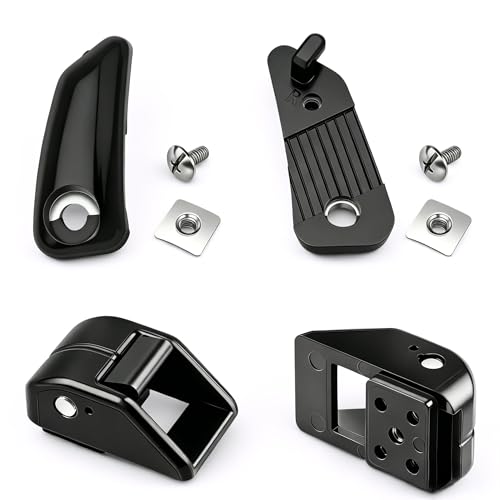
Complete Repair Kit Included - This Honkador set includes 1 Loc Chinstrap Fastener Kit and 1 Chin Strap Cam Loc Housing Set (2-Pack), providing all the parts needed to repair and secure your helmet straps.
Importance of Medical Support at Events
The presence of medical professionals at youth football events is essential for ensuring player safety, as these experts are trained to evaluate and respond to injuries effectively. Medical personnel play a critical role in injury management, particularly concerning concussions, by identifying symptoms and ensuring players are removed from games as necessary. Laws, such as the California Youth Football Act, mandate that at least one certified emergency medical technician be present at these events, bolstering safety standards. Their prompt actions facilitate appropriate first aid and adherence to return-to-play protocols, reducing the risk of further injury. In addition, ongoing education for coaches and parents about concussion recognition and management supports the efforts of medical professionals, enhancing overall player safety during events. This education can also help parents understand the importance of safety ratings and features in helmets, ensuring their children are better protected on the field.
Developing Emergency Action Plans
Developing a thorough Emergency Action Plan (EAP) is essential for youth football programs to effectively manage potential medical emergencies. An EAP must define specific emergency roles for personnel, including coaches, trainers, and medical staff, ensuring clarity in action steps during crises. It should also include communication protocols that outline methods like radios and cell phones, guaranteeing reliable contact in emergencies. Additionally, maintaining an updated list of emergency contacts, detailing the locations of emergency equipment, and establishing a chain of command are crucial components. Regular practice drills further familiarize everyone involved with their responsibilities and the logistics of the plan, enhancing preparedness for any situation that may arise during football events. Furthermore, it is important to ensure that all athletes are equipped with the proper gear, including compression levels to support muscle recovery during activities.
Educating About Concussion Symptoms
How can youth coaches, parents, and players effectively identify concussion symptoms to guarantee the safety of young athletes? Symptom recognition is essential in youth sports, particularly in football, where the incidence of concussions is approximately 5%. Coaches and parents must be educated on common indicators, such as headaches, confusion, and dizziness. Awareness of less obvious symptoms, including mood changes and sleep disturbances, can greatly improve reporting. Barriers to reporting these symptoms often exist, including stigma among players regarding injury disclosure. As a result, implementing structured symptom checklists and fostering open communication can enhance recognition and management of concussions. Additionally, awareness of safety certifications can empower parents to choose protective gear that minimizes the risk of injury. Early education on concussion symptoms supports timely medical evaluation, ensuring safer participation for young athletes and reducing long-term cognitive consequences.
Promoting Awareness of Heat-Related Illnesses
Awareness of heat-related illnesses is essential for ensuring the safety of youth football players, particularly as the sport’s season begins during the peak of summer heat. Since 1992, at least 58 high school football players have died from exertional heat stroke (EHS), with five fatalities occurring just since July 2026. Football players face significant risks, being 11 times more likely to suffer heat illnesses than athletes in other sports. Given that 94% of heat-related deaths involve linemen, promoting heat awareness is critical. Effective illness prevention strategies include implementing regional heat-safety policies, avoiding high-risk conditioning drills during peak heat, and prioritizing hydration before, during, and after practices to mitigate the dangers associated with high temperatures and humidity.
Engaging in Comprehensive Safety Education
Thorough safety education is essential for reducing injuries among youth football players, as it equips coaches, parents, and athletes with crucial skills and knowledge. Extensive safety workshops, such as USA Football’s Heads Up certification, promote awareness of concussion risk and teach proper tackling techniques. These programs underscore the importance of skill assessments, ensuring athletes are proficient in fundamental techniques that enhance control and reduce injury likelihood. Coaches who continuously engage in professional development can implement safer practice environments through structured drills. Additionally, parental involvement in educational initiatives fosters a better understanding of established safety protocols, which collectively contribute to safer playing conditions. Empirical evidence links extensive training with lower rates of traumatic brain injuries in youth football, highlighting its necessity.
Supporting Research on Injury Prevention
Injury prevention in youth football is increasingly supported by extensive research and specialized programs tailored to address the unique risks associated with the sport. Injury statistics reveal that 5% of players aged 5-14 experience concussions each season, primarily due to direct contact, which accounts for 81.65% of injuries. Effective prevention strategies, such as the ‘FUNBALL’ program, have demonstrated a significant reduction in overall injuries, including thigh and severe injuries. Research shows that collaboration between researchers and end-users develops practical interventions. Additionally, the presence of medical personnel during games improves outcomes for injured players, emphasizing the need for thorough injury surveillance to inform safety protocols. Consequently, ongoing research is essential to enhance safety measures in youth football.
Encouraging Safe Playing Techniques
Ensuring safe playing techniques in youth football is essential for reducing the risk of injuries, particularly among young players who may lack the experience to recognize potentially dangerous situations. Coaches should promote safe tackling methods, such as the shoulder-first technique, which helps keep the head out of contact, thereby mitigating the risks of concussions and spinal injuries. Emphasizing the importance of skill development, players should practice drills that incorporate wrapping and proper body positioning, ensuring efficient impacts. Delaying contact play until at least middle school, coupled with structured practice guidelines, can further enhance player safety. Ultimately, prioritizing proper techniques and fostering an environment where injury reporting is encouraged can greatly improve the safety of youth football participants.
Involving Parents in Youth Football Programs
Active parental involvement in youth football programs greatly contributes to the overall experience and development of young athletes. Parents play a critical role in introducing their children to football, which shapes early participation experiences. By satisfying the balance between support and pressure, parent involvement enhances motivation and retention in youth athletes. Volunteering offers numerous opportunities, with approximately 62% of parents dedicating over four hours weekly in various roles, such as team organization and logistics. Furthermore, effective communication between parents and coaches guarantees a shared understanding of safety practices and program goals. Providing educational workshops can align parents’ approach toward fostering positive encouragement, while addressing financial disparities promotes inclusive participation, ultimately enhancing the safety and enjoyment of youth football.
Frequently Asked Questions
How Can I Identify Safe Youth Football Programs in My Area?
To identify safe youth football programs, one should examine youth program criteria, including adherence to local safety regulations. Programs with verified coaches, safety personnel, and transparent policies enhance credibility and guarantee player welfare.
What Age Is Appropriate to Start Playing Tackle Football?
The appropriate age to start playing tackle football is typically 14, aligning with increased physical maturity. Prioritizing youth safety, earlier participation may elevate risks of serious injuries, including concussions, highlighting the need for gradual skill development.
Are There Any Liability Concerns for Parents When Children Play Football?
Like the fabled Icarus, parents face liability concerns when children play football, including liability waivers and insurance coverage for injuries. Negligence in safety measures can lead to serious consequences, heightening their legal responsibilities.
How Can Parents Encourage Their Child’s Interest in Safer Football Alternatives?
Parents can encourage their child’s interest in safer football alternatives by promoting flag football and enrolling them in safety drills that emphasize skill development without contact, fostering a love for the sport while minimizing injury risks.
What Are the Signs of Overtraining in Young Football Players?
Signs of overtraining in young football players include training fatigue, persistent injuries, mood changes, and performance decline. Recognizing these symptoms is essential for injury prevention, ensuring athletes remain physically and mentally healthy throughout the sport.


