As an Amazon Associate, we earn from qualifying purchases. Some links on this site are affiliate links at no extra cost to you. Our recommendations are based on thorough research and editorial judgment.


What Equipment Do American Football Players Need To Wear?

American football players are required to wear essential protective equipment, including helmets, shoulder pads, cleats, mouthguards, gloves, chest protectors, thigh pads, hip pads, and compression gear. Helmets, made from durable materials, are designed to reduce concussion risk and meet safety standards. Shoulder pads mitigate impact forces, while cleats enhance traction. Mouthguards protect against facial injury, and gloves improve grip. Each component plays a critical role in player safety and performance. More detailed information on these items is available below.
Key Takeaways
- Essential protective gear includes a helmet, shoulder pads, chest protector, elbow pads, and thigh/hip pads for safety during play.
- Cleats are crucial for traction and stability on the field, with options for different player positions.
- Compression gear enhances performance and protection by improving blood circulation and reducing muscle fatigue.
- Mouthguards are necessary to prevent orofacial injuries and must fit comfortably for breathing and speech.
- Gloves provide grip and hand protection, utilizing advanced technologies for optimal performance in various weather conditions.
Helmet
The helmet is one of the most critical pieces of equipment for American football players, designed to provide essential protection against the risks inherent in the sport. Remarkably, modern helmet design emphasizes helmet safety, utilizing hard plastic shells made from materials like polycarbonate to protect against impacts. With a shell thickness of approximately 3.35 mm, helmets effectively absorb force during collisions. The interior features viscoelastic foams that manage energy without permanent deformation, guaranteeing player comfort. Proper fit guarantees that helmets sit snugly, enhancing their protective function while maintaining visibility. Helmets must also satisfy safety standards, which include certification from the National Operating Committee on Standards for Athletic Equipment, promoting ongoing advancements in helmet technology to reduce concussion risks considerably. Additionally, helmets from established brands like Riddell provide better safety and performance for players in the field.
Shoulder Pads
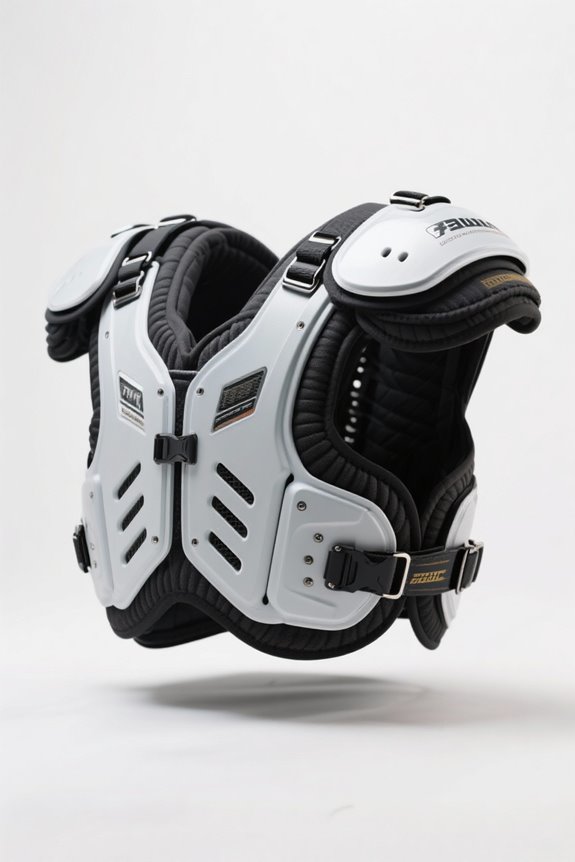
In American football, shoulder pads serve as essential protective equipment, designed to absorb and disperse impact forces during collisions. They consist of a hard outer shell combined with shock-absorbing foam to protect the shoulders, chest, and ribs. The fit importance of shoulder pads cannot be overstated; proper sizing based on measurements such as weight and shoulder width enhances both protection and comfort. Ill-fitting pads not only compromise shoulder pad safety but also increase the risk of injuries by limiting effective impact absorption. The National Operating Committee on Standards for Athletic Equipment (NOCSAE) is researching performance criteria to improve safety standards, emphasizing the need for regular maintenance and timely replacement of shoulder pads to guarantee peak protection against impacts in gameplay. Additionally, choosing high-quality materials can significantly enhance durability and protection during intense matches.
Cleats
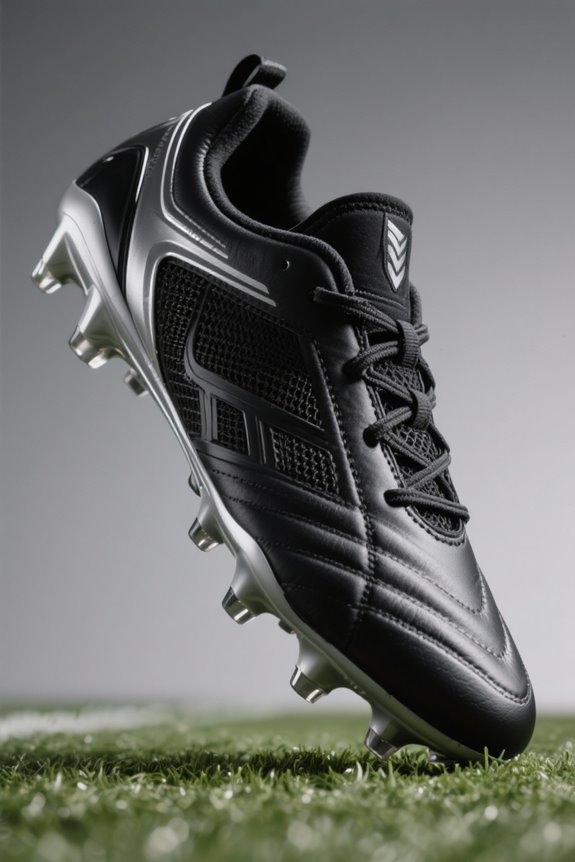
Cleats serve as a critical component of an American football player’s equipment, greatly influencing performance on the field. Available in low-cut, mid-cut, and high-top styles, each cleat type caters to specific player needs—prioritizing speed, mobility, or ankle support. Low-cut cleats are favored by skill position players, while linemen benefit from high-tops’ protection. Molded cleats provide durability and require minimal maintenance, whereas detachable stud cleats allow for stud customization based on field conditions, necessitating careful upkeep. Selecting the appropriate cleat involves consideration of position, field type, and personal preference, ensuring compliance with safety regulations. Ultimately, the right cleats enhance traction and stability, which are essential for peak performance in American football. Additionally, considering features such as adequate traction can significantly impact a player’s performance on the field.
Recommended Products


Nike Men's Football Cleats
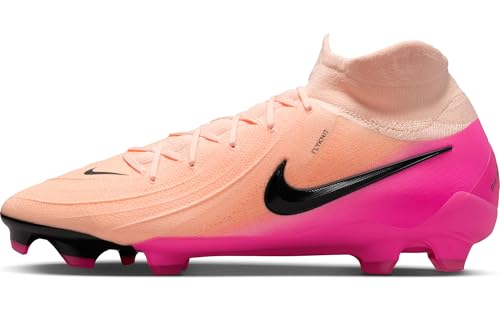
Nike Phantom Luna 2 Pro FG High-Top Soccer Cleats (FJ2575-800, Crimson Tint/Pink Blast/Black) Size 7
A grippy overlay covers the striking area of the cleat, stretching from the big-toe side all the way across the laces to the pinky toe, allowing clean boot-to-ball kicks. The material helps give you control in damp and dry weather.
Mouthguard
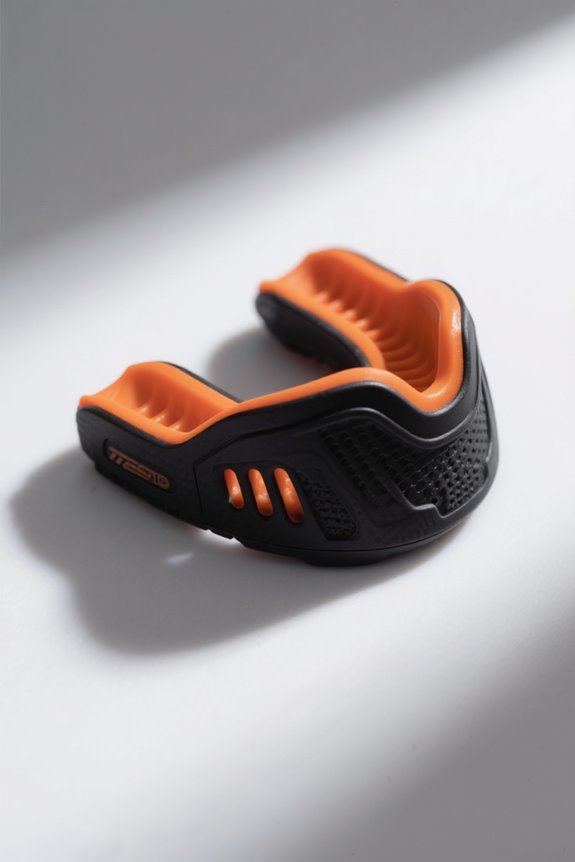
Mouthguards play an integral role in the protective equipment of American football players, serving primarily to prevent orofacial injuries during contact and gameplay. The National Federation of State High School Associations mandates their use, as studies show mouthguard benefits, including significant reductions in dental and lip injuries. There are various mouthguard types: custom-fitted dual-layer mouthguards offer superior protection, while boil-and-bite options provide moderate safety when custom designs are not feasible. Stock mouthguards, however, rank lowest in fit and effectiveness. Properly fitted mouthguards guarantee comfortable wear, facilitating breathing and speech, and are essential in reducing injuries such as tooth fractures and gum trauma. Though evidence is inconclusive regarding concussion prevention, consistent use remains critical for player safety. Additionally, using mouthguards made from BPA- and latex-free materials is important for safety and health.
Recommended Products

100 piece pack.

Set Includes Total of 8 Items: Head Guard + Chest Guard +Fighter Gloves+ Hand Strap + Shin Guard(or Shin Instep Guard)Foot Protector + Groin Guard(Male) + Mouth Guard w/ Case (M 59-67 Inches Height Youth)+A Storage Bag
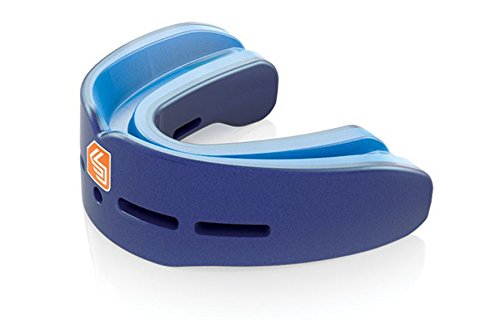
High-impact technology for high-impact sports
Gloves
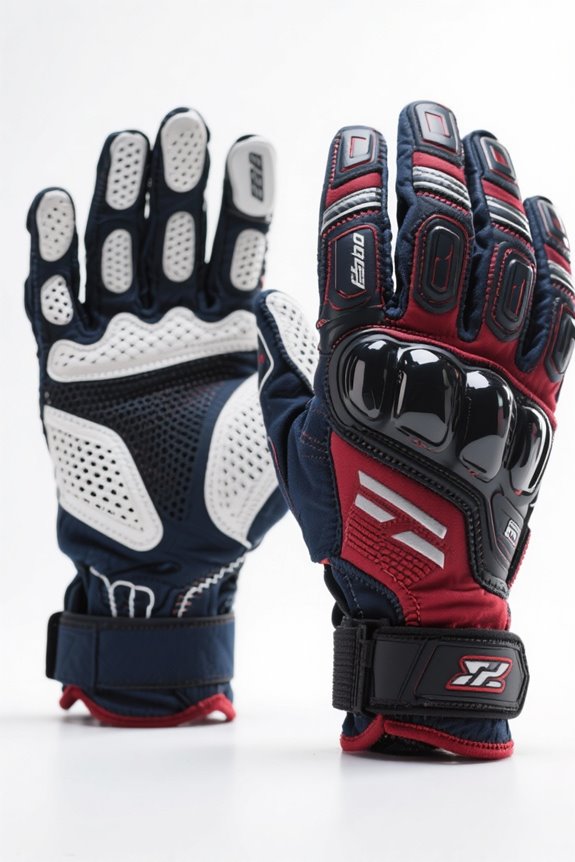
The effectiveness of gloves in American football extends beyond mere fashion, serving as essential equipment that enhances grip and protects players’ hands. Utilizing advanced glove technologies, such as GlueGrip from Under Armour and C-Tack from Cutters, these gloves markedly improve grip performance for critical positions, including receivers and running backs. Covering palms and fingers extensively, these materials guarantee excellent ball control regardless of weather conditions. Gloves must comply with standards from organizations like NFHS and NCAA to maintain safety and fair play. Maintenance is also vital; players often wipe gloves or apply Grip Boost Gel to sustain tackiness. Ultimately, the right gloves optimize both grip and protection, tailored to meet the distinct needs of various player positions on the field. Receiver gloves can also be versatile for other sports like flag football, providing performance benefits in various athletic activities.
Lower Body Protection
While engaging in the physically demanding sport of American football, lower body protection is vital for players aiming to minimize the risk of injury and enhance performance. Integrated pad girdles, featuring advanced padding technology, provide essential impact resistance for the hips, tailbone, and thighs, while also aiding muscle stabilization through their compression fit. Thigh and knee pads, composed of durable materials, guarantee that players receive consistent protection against impacts without compromising agility. Lightweight hip and tailbone pads offer additional support against potentially severe injuries during tackles. In addition, protective compression apparel enhances blood circulation and muscle support. Overall, these elements collectively work to fortify lower body protection, contributing greatly to players’ safety and comfort during gameplay. Furthermore, options like 5-pad football girdles offer critical cushioning to safeguard key impact areas.
Neck Roll
Neck rolls serve an essential role in protecting the cervical spine and surrounding musculature of football players, particularly during high-impact situations inherent in the sport. The primary neck roll benefits include increased stability and injury risk reduction, particularly for hyperextension and lateral flexion. Various neck roll types, such as contoured and tube designs, cater to differing preferences; contoured neck rolls fill gaps between helmets and shoulder pads, while tube neck rolls offer simple cylindrical protection. Floating options allow for comfort and mobility, whereas non-floating varieties provide a secure fit. Additionally, neck rolls come in multiple sizes and materials, including breathable foam for enhanced ventilation, allowing players to maximize protection while maintaining necessary head movement during gameplay. Many models also emphasize breathability features, ensuring that players remain comfortable even during high-intensity games.
Elbow Pads
Elbow pads are essential pieces of protective equipment for American football players, designed to shield the elbow joint from impacts and abrasions that occur during tackles and falls. They offer significant elbow protection advantages, including reducing the risk of bruises, fractures, and joint injuries. Elbow pad selection is critical, as proper fit guarantees that the pads remain secure while allowing for full range of motion. Made from synthetic materials, including foam rubbers and shock-resistant plastics, these pads often incorporate breathable designs for comfort during play. While physically demanding positions, such as fullbacks and linemen, commonly utilize more substantial elbows pads, skill players might opt for lighter models to maintain agility, demonstrating the evolving needs of players in football. Additionally, injury prevention features such as padding and shock absorption are crucial in enhancing the protective qualities of elbow pads.
Chest Protector
Chest protectors serve an essential role in safeguarding American football players from the inherent risks associated with high-impact collisions during gameplay. These important pieces of equipment protect the sternum and rib area, markedly reducing injury risks from tackles and collisions. Constructed from advanced materials, such as hard plastic shells and shock-absorbing foam, modern design innovations guarantee both comfort and mobility while promoting injury prevention. Proper fit is fundamental, as it enhances protection while allowing for a full range of motion. Certified by the NOCSAE, these protectors meet rigorous performance standards that address critical impacts, including rare injuries such as commotio cordis. Factors to consider when choosing a football rib protector continue to evolve chest protector designs, guaranteeing optimized player safety on the field.
Thigh Pads
Thigh pads are a critical component of protective gear for American football players, designed specifically to absorb impacts and mitigate the risk of upper leg injuries during gameplay. Typically constructed from high-density EVA foam, thigh pad materials effectively combine durability and impact absorption. The design of these pads is anatomically contoured to fit the thigh area without restricting movement, resulting in a low-profile structure that balances protection and comfort under football pants. Options include standalone thigh pads which can be inserted into girdles or fully integrated styles with sewn-in padding. Advances in technology, such as breathable and washable foam, further enhance hygiene and longevity, ensuring that players receive reliable protection throughout the season while maintaining peak performance on the field. Choosing the right level of protection based on player position is essential for optimal performance.
Hip Pads
Hip pads serve as an essential element of a football player’s protective gear, specifically designed to safeguard the hips during high-impact collisions. There are two main hip pad designs: slotted and snap-in pads, which provide versatile attachment options. Typically made from foam and encased in a hard plastic shell, these pads are constructed to absorb and disperse impact forces effectively. High-rise hip pads offer additional coverage, especially beneficial for youth players vulnerable to injury. Weighing only a fraction of overall gear, lightweight hip pads permit agility while still offering critical protection features. The use of hip pads is often mandated in organized leagues, emphasizing their importance in ensuring player safety and enhancing performance on the field.
Compression Gear
Compression gear has emerged as a vital component of a football player’s uniform, designed to enhance both performance and protection during gameplay. This specialized attire comes in two types: integrated gear, featuring built-in padding for key areas, and non-integrated gear, which serves as a performance base layer. Compression benefits include improved blood circulation, reduced muscle fatigue, and enhanced endurance, making it essential for high-intensity activities. Players typically select from padded girdles, shirts, arm sleeves, and pants, all crafted from durable materials such as polyester and spandex. Ergonomically designed, these garments minimize skin irritation and offer moisture-wicking properties. Proper gear selection is significant, as a poor fit can hinder both mobility and protection on the field, impacting overall performance.
Frequently Asked Questions
How Do I Choose the Right Size Equipment for My Child?
To choose the right size equipment for a child, accurately measure weight and chest circumference, prioritize youth safety, and select equipment with adjustable features that accommodate growth without compromising fit or mobility during play.
What Maintenance Is Required for Football Equipment After Use?
After each game, players meticulously scrub helmets like polished armor, follow thorough cleaning procedures, and stow pads in breathable bags, ensuring that they remain dry and well-ventilated, safeguarding their essential gear for future battles on the field.
Are There Specific Regulations for Equipment in Youth Leagues?
Yes, youth regulations mandate compliance with safety standards, such as NOCSAE certifications for helmets and equipment inspections. These measures guarantee player safety and address risks unique to younger athletes in organized football activities.
Can I Customize or Personalize My Football Gear?
Players can indeed customize their football gear according to their preferences. Options include custom gear colors, logos, glove designs, and personalized padding, allowing for both individual expression and enhanced performance tailored to each player’s unique style.
What Should I Do if My Equipment Becomes Damaged During Play?
In the chaotic whirlwind of the game, if equipment becomes damaged, the player must swiftly exit the field. Prioritize safety considerations, explore replacement options, and guarantee thorough inspections before any triumphant return to the battle.


