As an Amazon Associate, we earn from qualifying purchases. Some links on this site are affiliate links at no extra cost to you. Our recommendations are based on thorough research and editorial judgment.

The 9 Best Football Strength Programs to Build Power and Performance

To enhance your football performance, consider programs like “Strength Training for Soccer,” which emphasizes strength along with agility, and “Complete Conditioning for Football,” focusing on periodization for ideal results. The “High School Athlete: Football Fitness Program” provides structured phases for carefully tailored development. Each program aligns with your goals, whether for strength or endurance. Expertise from certified coaches guarantees effective guidance. For insights on proper program selection and training effectiveness, further details await you.
Key Takeaways
- Effective strength programs employ periodization strategies, ensuring structured training phases for optimal performance during off-season, preseason, in-season, and postseason.
- Programs should integrate on-field drills with strength training to enhance agility and real-world application during gameplay.
- Position-specific training is essential to tailor workouts, minimizing injury risks and maximizing performance for each athlete’s role.
- Clear instructional resources, including videos and guides authored by certified strength coaches, enhance understanding and facilitate progress tracking.
- Regular assessments of key metrics, such as one-rep max, ensure continuous improvement and adaptation of training plans based on progress.
Strength Training for Soccer

Strength Training for Soccer
- Description|Table of Contents|Editor|Excerpts|Sample Content|Quotes|10 detailed protocols to test soccer players’ strength power speed agility and high-intensity...

Strength training for soccer is a critical component in enhancing athletic performance, making it indispensable for serious soccer players aiming to boost their strength, speed, and agility. While traditional programs focus primarily on gym workouts, they often neglect important on-field training elements. This shortcoming underscores the need for thorough routines that combine both environments. On-field exercises, including warm-ups and specific drills, support strength gains while promoting agility during gameplay. Experts emphasize that integrating these elements leads to a better-rounded athlete. Future training programs must include practical on-field training examples, ensuring soccer players develop their skills holistically and effectively.
Best For: Serious soccer players looking to enhance their overall athletic performance through balanced strength and on-field training routines.
Pros:
- Improves Strength and Agility: Combines off-field gym workouts with on-field drills to develop strength and game-specific agility.
- Comprehensive Training: Provides a holistic approach to training, addressing both physical conditioning and soccer skills.
- Enhanced Performance: A well-rounded regimen leads to better performance during matches and reduced risk of injury.
Cons:
- Limited Focus on Gym Only: Some existing programs may still prioritize gym workouts over essential on-field training components.
- Lack of Customization: Many programs may not be tailored to individual player needs and specific positions on the field.
- Resource Intensive: Requires access to both gym facilities and on-field spaces, which may not be available to all athletes.
Periodization Fitness Training – Football Conditioning Program
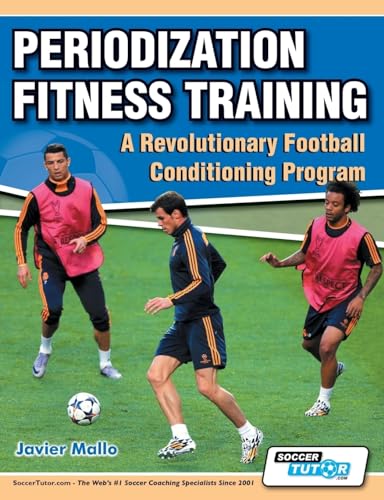
For football athletes aiming to enhance their performance through structured training, the Periodization Fitness Training program stands out as an exceptional choice. This revolutionary conditioning program employs a systematic approach, ensuring athletes progressively build strength and endurance over time. Feedback from users has emphasized the program’s clarity, with remarks like, “Fantastic approach, easy to understand and all makes sense!” Additionally, it serves as a solid foundation for further learning, proving beneficial for those new to football conditioning. With a wealth of valuable ideas, this program is also an ideal gift for football enthusiasts enthusiastic to improve their game.
Best For: Athletes looking to enhance their football performance through a systematic and structured conditioning program.
Pros:
- Clarity and ease of understanding make it accessible for all levels.
- Provides a solid foundation for further learning and development in football conditioning.
- Offers a variety of useful ideas for enhancing training routines.
Cons:
- May require additional resources for advanced athletes looking for more specific techniques.
- Some users might find it too basic if they already have extensive conditioning knowledge.
- Limited focus on sport-specific skills beyond general conditioning.
Strength Training for Football (Strength Training for Sport)
Sale


Strength Training for Football (Strength Training for Sport)
- Description|Table of Contents|Editor|Excerpts|Sample Content|Quotes|11 testing protocols for measuring and assessing athletes strength power speed agility endurance and...
Athletes seeking to enhance their performance on the football field will find “Best Football Strength Programs” to be an invaluable resource. This thorough guide outlines specialized strength training exercises designed for specific player positions, addressing unique athletic demands. Compiled by NSCA-affiliated strength coaches, it offers detailed periodization strategies, categorizing training into off-season, in-season, and recovery phases. With rich explanations and illustrative photos, the book guides you through effective lifts. Though it primarily focuses on strength, the inclusion of plyometric exercises adds explosive capability, demonstrating the importance of preparation in football. Such structured training maximizes on-field performance during games and practices.
Best For: Athletes looking to improve their strength and explosiveness on the football field through position-specific training programs.
Pros:
- Detailed strength training exercises tailored for various football positions enhance performance.
- Comprehensive periodization strategies maximize training effectiveness during different phases of the season.
- Rich explanations and illustrative photos help users understand and apply complex lifts effectively.
Cons:
- The book does not cover speed and conditioning, which are also critical for football performance.
- Some readers may find the focus on strength training lacks broader aspects of athletic development.
- Limited emphasis on sport-specific agility drills may not cater to all football players’ needs.
Complete Conditioning for Soccer
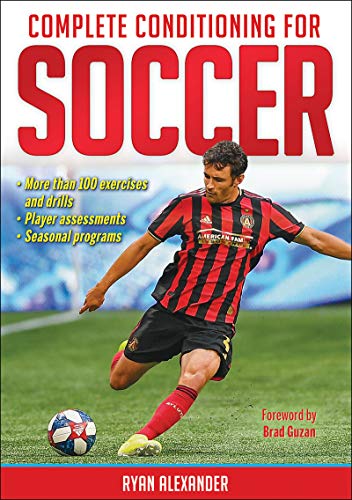
“Complete Conditioning for Soccer” is an essential resource for soccer coaches and players seeking to elevate their performance through targeted physical training. This book offers a position-specific approach, allowing you to tailor physical programs to meet individual player needs effectively. Dr. Alexander simplifies complex concepts in strength and conditioning, making them accessible for coaches without a scientific background. The well-organized content includes diagrams and practical techniques that enhance application in training sessions. Recommended for all levels, this resource equips you with thorough insights into the physical demands of modern soccer, ensuring you can develop athletes capable of peak performance.
Best For: Coaches, players, and fans of soccer looking for an in-depth guide to position-specific conditioning and athletic development.
Pros:
- Comprehensive insights into strength and conditioning tailored for modern soccer.
- Simplifies complex scientific concepts for easy understanding and application by coaches.
- Includes practical techniques and diagrams that enhance training sessions.
Cons:
- Could benefit from stronger connections to real-world on-field training scenarios.
- May contain more information than some users need, leading to potential overwhelming details.
- Not focused on specific youth training or beginner-level concepts in conditioning.
STRENGTH AND CONDITIONING FOR SOCCER: 12-WEEK PROGRAM
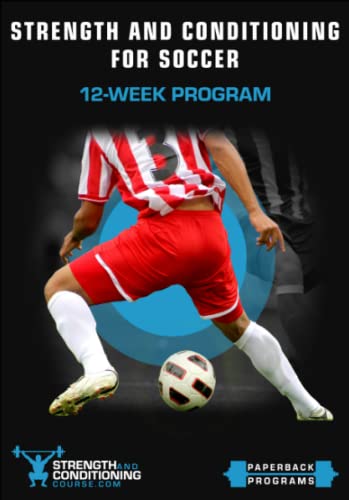
Designed specifically for young soccer players aged 11 and up, the “Strength and Conditioning for Soccer: 12-Week Program” focuses on enhancing physical performance through a structured regimen. This program targets athletes with at least five years of experience, aiming to improve strength, endurance, and vital soccer skills. Its user-friendly structure allows both athletes and parents to easily understand and implement training exercises. Regimens include various drills designed to boost fitness while tracking progress over the entirety of twelve weeks, ensuring consistent development. Positive feedback highlights the program’s effectiveness, affirming its significant impact on youth players’ overall game improvement.
Best For: Young soccer players aged 11 and up with at least five years of experience looking to enhance their physical performance and skills through a structured training regimen.
Pros:
- User-friendly structure makes it easy for both athletes and parents to implement.
- Comprehensive program that tracks progress over twelve weeks, ensuring consistent development.
- Positive user feedback highlights effectiveness in improving overall game performance.
Cons:
- Program may not cater to beginners or those with less than five years of soccer experience.
- Requires commitment over the full twelve-week period, which may be challenging for some young athletes.
- Access to specific equipment may be needed, limiting the ability to perform certain drills.
Complete Conditioning for Football
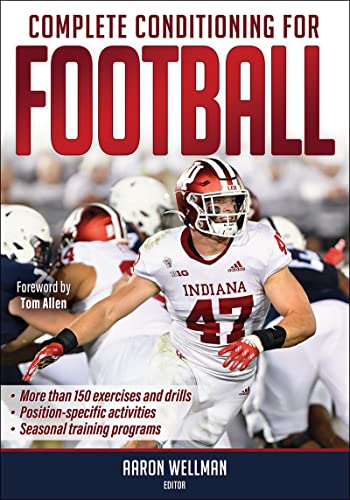
Football coaches and strength trainers seeking a modern, thorough approach to player conditioning will find “Complete Conditioning for Football” particularly valuable. This guide covers essential training elements like strength, power, speed, agility, and endurance, presented in a readable format designed for both coaches and athletes. Highly regarded for its extensive content, it’s recommended for strength and conditioning specialists who need effective strategies to enhance player performance. Readers appreciate its well-structured layout and practical advice, which aids in implementing training programs. Overall, this resource serves as an invaluable tool to elevate your conditioning efforts in football effectively.
Best For: Strength coaches and football coaches looking for a comprehensive and modern training guide to enhance player conditioning.
Pros:
- Well-written and comprehensive content that covers essential training elements.
- Practical advice and strategies that can be readily implemented into training programs.
- Highly recommended by readers for its effectiveness and modernized approach to football training.
Cons:
- May not focus on sport-specific adaptations for other sports outside of football.
- Some users might find the extensive detail overwhelming if seeking quick reference guides.
- Limited appeal for individuals not directly involved in football coaching or strength training.
The High School Athlete: Football Fitness Program for Development and Conditioning
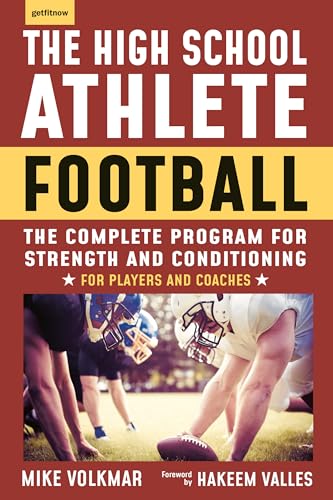
For high school athletes aiming to enhance their performance through strength and conditioning, Mike Volkmar’s extensive fitness program stands out as an ideal choice. His expertise arises from years of working directly with student-athletes, often guiding them to Division I competition. Volkmar emphasizes a holistic approach that integrates training, nutrition, and overall athlete well-being, which is essential for developing maximum potential. The program’s practical and user-friendly structure makes it accessible for dedicated athletes and their parents. While some critiques suggest complexity compared to other methods, testimonials highlight the program’s effectiveness in elevating athletes to higher levels of competition, especially in college football.
Best For: High school athletes seeking to optimize their strength, conditioning, and overall performance in football.
Pros:
- Comprehensive approach integrating training, nutrition, and athlete well-being.
- User-friendly structure makes it accessible for athletes and parents alike.
- Strong testimonials highlighting effectiveness in elevating athletes to higher levels of competition.
Cons:
- Some find the program overly complicated compared to simpler training systems.
- Alternative training methods may be perceived as more effective by certain individuals.
- Limited focus on specific skill development beyond strength and conditioning.
Soccer Fitness: A Step-by-Step Guide for Soccer Players

Achieving ideal performance on the soccer field requires a well-structured and extensive fitness program, making “Soccer Fitness: A Step-by-Step Guide for Soccer Players” by Dylan Joseph the ideal resource for athletes aiming to enhance their physical capabilities. This book provides detailed insights into speed, endurance, flexibility, and strength tailored specifically for soccer players. With structured workout plans and nutritional advice, Joseph emphasizes that fitness greatly impacts performance, a fact proven by the U.S. team’s success in the last World Cup. Accessible illustrations and recovery techniques guarantee this guide benefits not only soccer players but anyone seeking improved overall fitness.
Best For: Athletes, particularly soccer players, looking to enhance their speed, endurance, flexibility, and overall fitness through a structured conditioning program.
Pros:
- Comprehensive training insights tailored specifically for soccer fitness, covering various aspects such as speed and agility.
- Structured workout plans with clear guidelines on exercises and nutritional advice to improve athlete performance.
- Accessible to a wide audience, including non-soccer players seeking general fitness improvements.
Cons:
- The focus on soccer-specific training may not fully address the needs of athletes from other sports.
- Some readers may find the emphasis on fitness over skill development less appealing.
- The resource may require additional materials (like instructional videos) for full understanding of the techniques discussed.
Complete Conditioning for Football (Complete Conditioning for Sports)

Complete Conditioning for Football (Complete Conditioning for Sports)
- Size: 7x10
- Author: Ivey, Patrick
- Pages: 264
Complete Conditioning for Football serves as an essential resource for coaches aiming to enhance their training programs and effectively develop players’ skills. Despite being published 11 years ago, the book’s extensive content remains frequently referenced, providing valuable training insights. It introduces a progressive training philosophy with the PR Paradigm and Multi-Level System, which facilitates incremental player development from beginner to advanced levels. Accompanied by an instructional DVD, the program emphasizes injury prevention through proper exercise execution. Positive user feedback highlights its effectiveness in creating challenging offseason training programs, thereby supporting overall player performance and team success in various contact sports.
Best For: Coaches and players seeking a comprehensive and progressive training program for football and other contact sports.
Pros:
- Provides a thorough training philosophy and a multi-level system for incremental player development.
- Includes an instructional DVD to enhance understanding and execution of exercises for injury prevention.
- Positive user feedback highlights the book’s effectiveness in creating challenging and successful offseason training programs.
Cons:
- Some users have reported difficulties in accessing audio and video content associated with the book.
- The content may require additional video and nutrition guidance for a more complete training experience.
- As it’s over a decade old, some techniques or recommendations might not reflect the latest research in sports conditioning.
Factors to Consider When Choosing a Football Strength Program
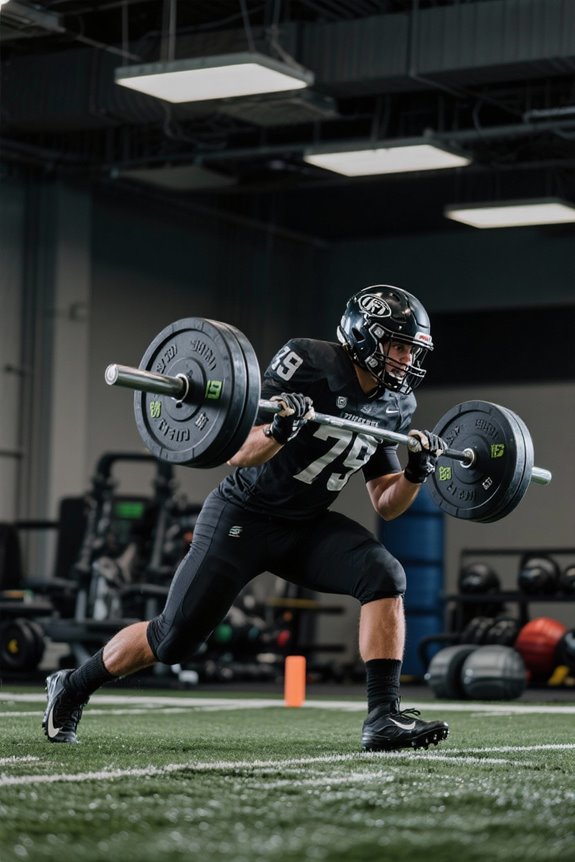
When selecting a football strength program, you need to take into account several critical factors to guarantee it aligns with your training goals. Evaluate how well the program’s structure and periodization suit your needs, along with its sport-specific focus. Additionally, assess the accessibility of resources and the expertise of those contributing to the program, as these elements can greatly influence your overall training effectiveness.
Training Goals Alignment
Selecting a football strength program that effectively aligns with your training goals is crucial for enhancing on-field performance. First, identify whether the program focuses on critical areas such as strength, power, agility, or endurance. Each of these elements plays a significant role in your overall football capabilities. You should also consider position-specific training, as different roles necessitate tailored routines to optimize performance and minimize injury risk. Additionally, verify the program incorporates complementary components like plyometric and explosive exercises, fundamental for quick bursts of speed on the field. Finally, confirm that it provides detailed instructional materials and progress tracking tools, enabling you to monitor improvements and make necessary adjustments to reach your objectives efficiently.
Program Structure and Periodization
An effective football strength program must prioritize structured training phases, as they play a pivotal role in maximizing performance and facilitating recovery throughout the athletic year. A well-rounded program includes off-season, preseason, in-season, and postseason segments, optimizing both performance and recovery. Periodization involves systematic training planning that helps athletes progress through cycles of varying intensity and volume to prevent plateaus and reduce injury risks. Effective programs often employ a multi-level system tailored to each athlete’s experience and physical readiness. Strategies may include linear progression, gradually increasing weights, or undulating models, which vary intensity and volume weekly, enhancing strength gains. Additionally, incorporating recovery periods is essential for muscle repair and adaptation to training demands, allowing athletes to perform at their best.
Sport-Specific Focus
Choosing a football strength program demands careful consideration of several essential factors, particularly the unique physical demands of the sport. A sport-specific strength program should prioritize exercises that enhance important attributes like strength, power, speed, and agility. Tailoring your training regimen to your positional requirements can optimize your performance by honing relevant movement patterns and developing specific muscle groups. Moreover, incorporating both on-field skills and off-field strength training guarantees a well-rounded athlete capable of meeting the complex physical and tactical challenges of football. Additionally, applying periodization strategies throughout the football season is crucial for peaking during key competitions, while managing fatigue and aiding recovery. Evidence-based exercises, including plyometrics and sport-specific drills, greatly enhance operational fitness levels.
Accessibility of Resources
When evaluating a football strength program, it’s essential to assess the accessibility of resources that support effective training and development. Clear instructional materials, such as printed guides and electronic books, are fundamental, as they facilitate understanding for both athletes and coaches. Additionally, the inclusion of digital content, like instructional videos, enhances the execution of exercises, which is imperative for injury prevention. Programs should offer structured workout plans and schedules that cater to various experience levels, allowing athletes to track their progress easily. Supportive materials, including glossaries and FAQs, also improve accessibility by clarifying terminology and addressing common queries, benefiting both seasoned players and newcomers alike. Prioritize programs that make these resources easily available.
Expertise of Contributors
Evaluating the expertise of contributors is essential in selecting a football strength program, as their qualifications can directly influence the program’s effectiveness. Many reputable programs are authored by certified strength coaches affiliated with organizations like the NSCA, reflecting a high standard of knowledge. When contributors possess practical experience working with athletes at various levels, they offer valuable insights and specific exercises tailored to unique positional demands in football. This hands-on experience guarantees that training principles are scientifically sound and practically applicable. Additionally, programs from recognized experts incorporate research-backed methodologies and innovative techniques, enhancing overall player performance. By prioritizing contributor expertise, you can select a program that effectively addresses the multifaceted nature of athletic conditioning and strength development.
Progress Tracking Mechanisms
Progress tracking mechanisms play a critical role in the effectiveness of a football strength program, as they allow athletes to objectively measure improvements in strength, power, and endurance over time. Effective programs incorporate regular testing for key metrics, including one-rep max (1RM) in major lifts and performance in sport-specific drills. Utilizing training logs or journals helps you monitor workout routines and results, facilitating informed adjustments. Digital tools offer visual trends in your performance, aiding in identifying areas needing focus. Setting regular assessment intervals, like every 4-6 weeks, lets you establish baselines and adjust training loads based on your progress. This structured approach guarantees continued advancement and helps avoid performance plateaus, making it essential for successful athletic development.
Flexibility and Adaptability
Flexibility and adaptability are essential components to contemplate when choosing a football strength program, as they can greatly affect an athlete’s performance throughout the season. A program that allows for adjustments based on evolving skill levels and physical conditions guarantees continued effectiveness. Moreover, adaptability accommodates varying training environments, so you can maintain your regimen regardless of weather or facility availability. In addition, a tailored program that addresses position-specific demands promotes superior development for each player. Incorporating adaptable training methods can enhance injury prevention by allowing modifications in exercises based on individual needs. Finally, flexibility in scheduling and exercise selection enables you to balance strength training with skill practice and recovery, fostering well-rounded athlete growth and performance refinement.
Consideration of Age Group
When selecting a football strength program, considering the athlete’s age group is vital, as it greatly influences the training approach. Younger athletes, ages 11 and up, necessitate distinct training strategies due to their ongoing physical development. Programs for this group should primarily emphasize fundamental movements and bodyweight exercises, establishing a solid foundation while minimizing injury risks from heavy lifting. As athletes shift into late adolescence and adulthood, strength programs can incorporate more advanced techniques and heavier weights, taking advantage of their increased physical capacity. Tailoring the intensity and volume of exercises to match the athlete’s maturity is essential for optimizing gains and sustaining motivation, ensuring training not only fosters physical development but also instills a lifelong appreciation for fitness and athleticism.
Frequently Asked Questions
How Often Should I Update My Football Strength Program?
You should update your football strength program every six to eight weeks. This timeframe allows for adaptation and progress without plateauing. Renowned strength coaches emphasize the importance of progressive overload, which involves gradually increasing the demands on your body. Regular assessment of your goals, performance metrics, and recovery can indicate when adjustments are necessary. Monitoring these factors guarantees peak performance, as your body continues to change and adapt to your training intensity.
Can Bodyweight Exercises Be Effective for Football Strength Training?
Yes, bodyweight exercises can be effective for football strength training. They engage multiple muscle groups, promoting functional strength necessary for the sport. According to strength coach Mike Boyle, bodyweight movements like squats and push-ups enhance stability and power, essential for performance. Additionally, these exercises improve flexibility and can be performed anywhere, making them versatile. Regularly integrating bodyweight routines into your training can augment overall strength and athleticism without the need for equipment.
What Nutrition Should Accompany a Football Strength Program?
To fuel your football strength program effectively, focus on balanced nutrition. Consume high-quality proteins, complex carbohydrates, and healthy fats. Aim for at least 1.2 grams of protein per kilogram of body weight, as experts recommend protein for muscle recovery and growth. Additionally, include vegetables and hydration to support overall health. As the saying goes, “You are what you eat,” emphasizing the importance of smart food choices in enhancing performance and strength.
How Do I Track My Progress in Strength Training?
To effectively track your progress in strength training, implement consistent measurement techniques, such as recording the weight lifted and repetitions completed for each exercise. Regularly assess your workout routine and conduct performance tests every four to six weeks. Maintain a training log to document these details, ensuring you analyze patterns over time. Experts recommend using a combination of visual feedback, such as photographs, alongside numerical data to fully understand your strength development.
Should I Focus on Upper or Lower Body Strength First?
You should prioritize lower body strength first, as it lays a solid foundation for overall power and athletic performance. Lower body muscles, like the quadriceps and hamstrings, contribute greatly to explosive movements, essential in football. According to strength coach Mike Boyle, developing lower body strength enhances sprint speed and agility. Once established, you can shift focus to upper body strength, ensuring a balanced and extensive strength training program, which is vital for football success.