As an Amazon Associate, we earn from qualifying purchases. Some links on this site are affiliate links at no extra cost to you. Our recommendations are based on thorough research and editorial judgment.


What Are Play-Action Passes And When Are They Used?

Play-action passes are strategic offensive plays in football that create the illusion of a running play. The quarterback fakes a handoff, leading defenders to momentarily bite on the run, while offensive linemen simulate run blocking. This tactic is particularly effective in short-yardage and goal-line situations, as it exploits defensive alignments and encourages linebackers and safeties to move closer to the line. Understanding when and how to effectively implement play-action passes can greatly enhance a team’s offensive strategy. More insights follow.
Key Takeaways
- Play-action passes mimic a running play, deceiving defenders with a fake handoff from the quarterback.
- They are most effective in short-yardage situations, where defenses expect a run.
- Successful execution hinges on credible fakes, coordinated blocking, and disciplined receiver routes.
- Play-action is enhanced by a strong running game, forcing defenders to respect both run and pass options.
- They help mitigate pass rush pressure, providing quarterbacks with more time to throw.
Definition and Mechanics of Play-Action Passes
The play-action pass, a strategic maneuver in American football, is designed to create the illusion of a running play while ultimately resulting in a pass attempt. The mechanics involve the quarterback faking a handoff to the running back, convincing defenders that a run is imminent. This deception technique relies on the timing of both the quarterback’s retraction of the ball and the running back’s forward movement. Offensive linemen simulate run blocking before shifting to pass protection, enhancing the play-action advantages further. Receivers begin by appearing to block, then swiftly break into pass routes, aiming to exploit defensive misjudgments. Effective execution of these coordinated movements enables offenses to manipulate defensive positioning, creating larger passing lanes that facilitate successful completions. Incorporating agility drills, such as football hurdles, can further enhance a quarterback’s ability to perform play-action passes effectively.
Purpose and Strategic Use
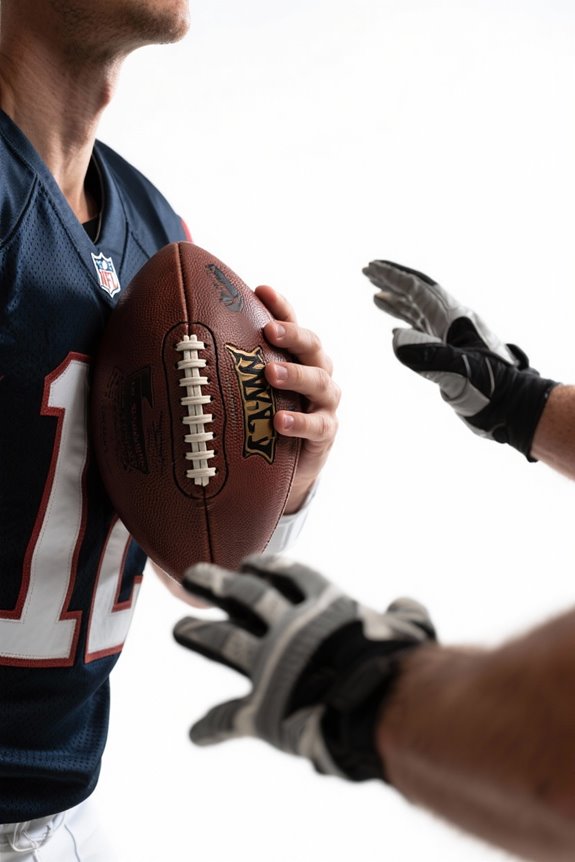
Purpose and strategic use of play-action passes are critical elements in the overall offensive game plan in American football. Primarily, they create defensive hesitation and misalignment by inducing defenders to mistakenly anticipate a run play. This offensive misdirection encourages linebackers and safeties to move closer to the line of scrimmage, which often leads to defensive backs abandoning their pass coverage responsibilities. Successful play-action passes leverage a previously established running game, enhancing the effectiveness of the fake. Coaches frequently utilize these plays when the offense has a lead, as defenses are primed for run plays, thereby increasing the chances of successfully exploiting defensive alignments. Overall, play-action passes greatly enhance opportunities for big gains and explosive plays through well-executed deception. In addition, employing play-action passes can draw on the element of surprise, akin to how Adidas cleats improve traction for quick movements, further benefiting the offense’s strategy.
Recommended Products

Large + Standard Combination: Configured with - Standard Arch, Standard Epaulets, Skill Cups, and a Standard 1/2" Shoulder Foam. Each shoulder pad and size combination is uniquely configured by our experts to ensure maximum safety and performance for your exact needs on the field.

Trains players to stay low and keep a wide stance
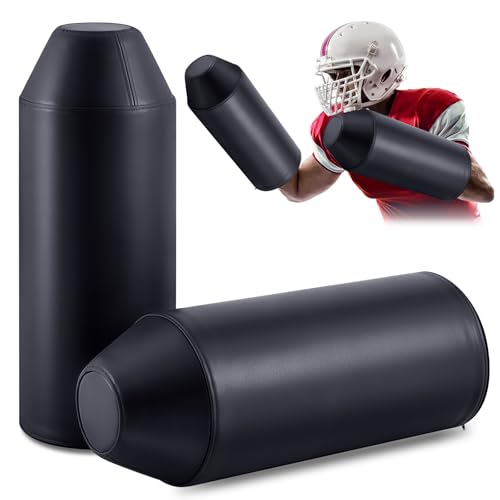
What You Get: package include a set of two football arm shields constructed from high-density foam; Offering robust protection, each shield measures approximately 61 cm in length and about 24 cm in width
Execution Requirements and Effectiveness
Successful execution of play-action passes requires meticulous coordination among offensive players and precise adherence to established techniques. The offensive line must convincingly simulate run blocking to sell the play, while running backs need to maintain their fake handoffs beyond the line of scrimmage. The quarterback’s footwork must reflect genuine run plays, executing credible handoff fakes and swiftly shifting to pass mode. Receivers maintain route discipline, exploiting space created by biting defenders. Effective play design aligns with successful running plays to enhance credibility, while blocking schemes must adapt from run to pass protection. This strategic manipulation of defensive strategies, especially targeting linebackers and safeties, creates fruitful opportunities for offensive gains, as their hesitation increases the potential for significant passing yardage. Additionally, incorporating insights from strength and conditioning programs can further enhance player performance and execution on the field.
Recommended Products

VERSATILE: Serves as both step-over dummy for agility drills and blocking/tackling dummy for contact training

VERSATILE DUMMY FOR SPORTS TRAINING - Step Over Dummy Perfect for Footwork Drills for a Variety of Sports Including Football, Soccer, and More
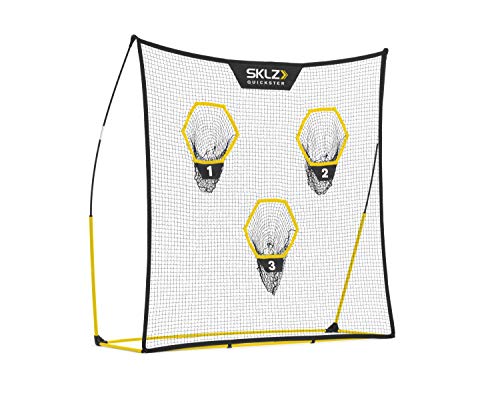
7-foot portable net football trainer helps quarterbacks improve passing strength and accuracy with three targets positioned in key receiving areas
Differentiation From Other Plays
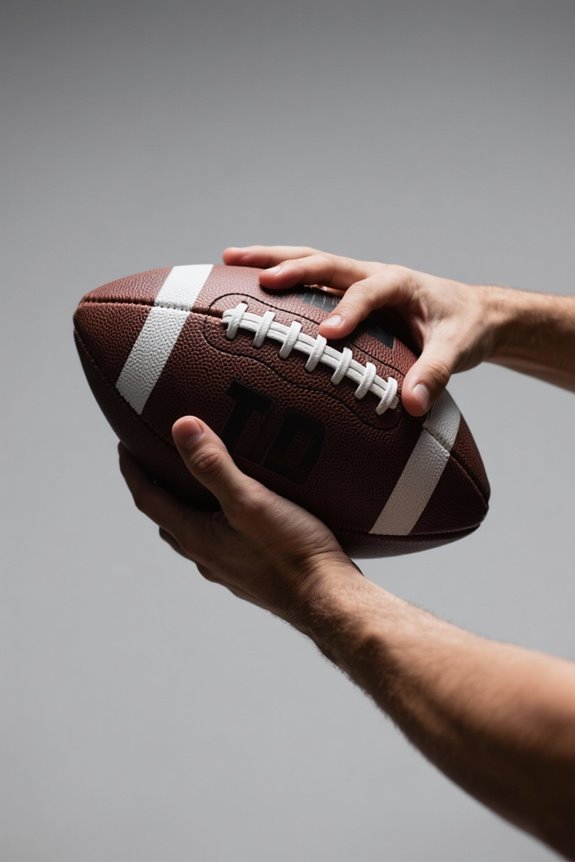
Differentiation among various offensive plays is essential for understanding their unique functions and strategic applications on the field. Play-action passes are distinct from draw plays, as they mimic a run before changing to a pass, while draw plays begin as a pass, aiming to exploit over-aggressive defensive reactions. Play-action mechanics involve the offensive line initiating run-blocking before shifting to pass protection, unlike the draw which emphasizes early pass-blocking. Additionally, play-action is less risky than flea-flickers, which require additional lateral movement before the pass, and more complex than halfback option plays that give running backs the choice to throw. Finally, straight dropback passes declare the intent to pass immediately, whereas play-action successfully disguises this intention, benefiting from a credible run game. Coaches can enhance the effectiveness of play-action passes through the use of football blocking dummies, which aid in developing tackling and blocking skills.
Recommended Products

Versatile tackling dummy and step over dummy perfect for football, basketball, kickboxing, martial arts and other sports training.

VERSATILE: Serves as both step-over dummy for agility drills and blocking/tackling dummy for contact training

VERSATILE: perfect for football blocking drills and other contact sports technique development
Situational Deployment
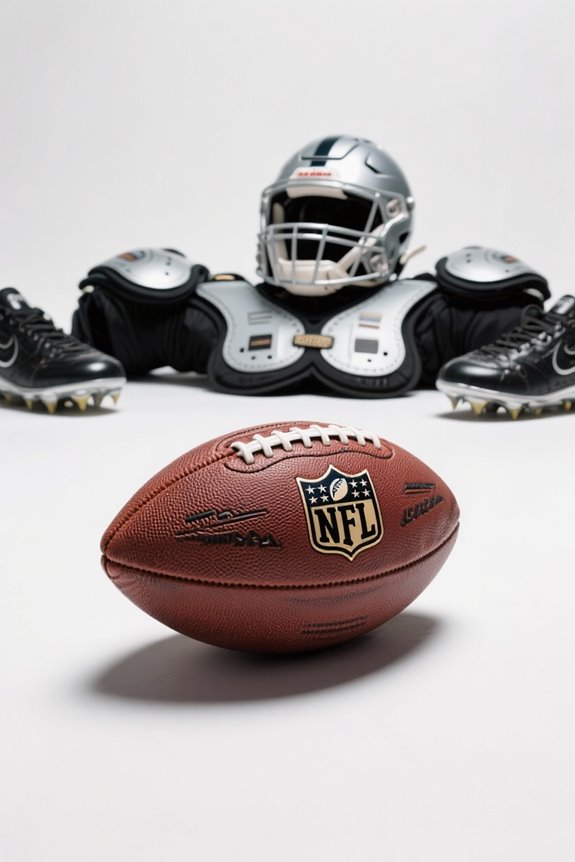
When analyzing play-action passes, situational deployment emerges as a critical factor influencing their effectiveness on the field. Particularly effective in short yardage situations, such as 2nd and short or 3rd and short, play-action capitalizes on defensive expectations rooted in offensive tendencies. In these scenarios, defenses often commit aggressively to stop the run, creating openings for passing plays that exploit these defensive adjustments. Conversely, long-yardage situations diminish play-action effectiveness, as defenses anticipate passes rather than runs. Furthermore, in goal-line or red-zone contexts, play-action can maximize the threat of the expected run. Coaches must maintain strong situational awareness to leverage these factors, enhancing the probability of successful play-action attempts and achieving significant offensive gains. Effective deployment of plays often requires understanding of seasonal planning to elevate offensive strategies.
Recommended Products

VISUALIZE THE GOAL. Goal shot does things cones, targets and stand-in goalies can't do: it creates visual focus on the specific zones where players are four times more likely to score.

Sturdy wire frame construction with wind-friendly mesh

Flexible & Durable PVC: Built from heavy duty, flexible plastic to withstand repeated use for soccer cones, parking cones, traffic cones, or street cones in any setting.
Statistical and Tactical Insights
The analysis of play-action passes reveals essential statistical and tactical dimensions that define their success on the football field. Play action statistics indicate that teams with strong run games frequently achieve higher effectiveness metrics, including yards per attempt and completion percentages, compared to standard dropback passes. The tactical advantages of play-action involve forcing defenders to respect both the run and pass options, often creating mismatches that can be exploited downfield. Additionally, play-action can mitigate pass rush pressure, allowing quarterbacks more time to execute longer throws. Despite varying interpretations of play-action in the league, its strategic deployment remains crucial, particularly against aggressive defenses that honor established running threats. Such insights emphasize the complexity and value of this offensive strategy in modern football. Furthermore, effective play-action relies heavily on the use of high-quality gloves, which ensure optimal grip and ball handling during gameplay.
Recommended Products
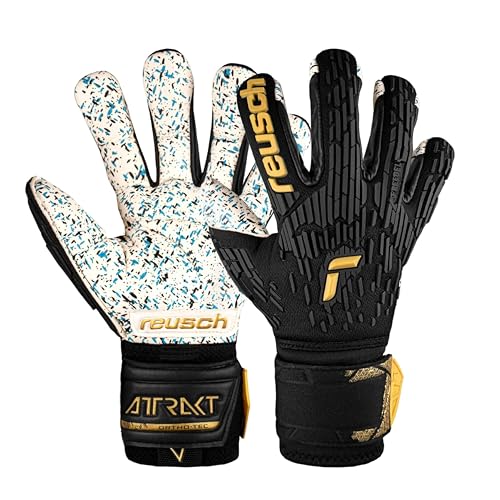
R-Grip Fusion latex palm offers maximum grip in all weather conditions

UNMATCHED IMPACT PROTECTION: Features 3.5mm of high-grade, soft latex and 3mm of impact foam to ensure palm protection and superior grip; Includes a reinforced latex punch zone for advanced ball control

WELCOME TO THE PROS: You are your team's last line of defense; Excel as a teammate and player with specialized, roll-negative, hybrid-cut soccer goalkeeper gloves by Storelli; Includes premium mesh storage bag
Frequently Asked Questions
How Does Play-Action Affect Offensive Line Blocking Assignments?
Play-action techniques transform traditional blocking, blending bold blocking birth and deceptive quarterback dynamics. Linemen initially mimic run assignments; then, they swiftly switch to protect the quarterback, balancing aggression with adaptability to safeguard against defensive disruption.
Can Play-Action Passes Work Against All Defensive Schemes?
Play-action passes do not work against all defensive schemes; they are most effective against aggressive run defenses. Teams using disciplined defensive alignments can neutralize play-action, maintaining coverage integrity and minimizing effectiveness of the deception.
What Are Common Mistakes in Executing Play-Action Passes?
Common mistakes in executing play-action passes include miscommunication issues among players, timing errors between the quarterback and running back, and premature receiver routes, which can undermine the effectiveness and deception intended in the play.
How Do Quarterback Skills Impact Play-Action Effectiveness?
Like a maestro conducting a symphony, quarterback decision-making and play-action timing harmonize to elevate effectiveness, as skilled quarterbacks dissect defenses, maintain composure, and deliver accurate passes, maximizing opportunities in a game defined by precision and strategy.
Are There Specific Formations That Enhance Play-Action Success?
Certain formation variations, such as 12 and 21 Personnel, enhance play-action success by compelling defensive alignments to respect the run. This dynamic creates opportunities for effective passing by exploiting defensive hesitations and commitments.


