As an Amazon Associate, we earn from qualifying purchases. Some links on this site are affiliate links at no extra cost to you. Our recommendations are based on thorough research and editorial judgment.

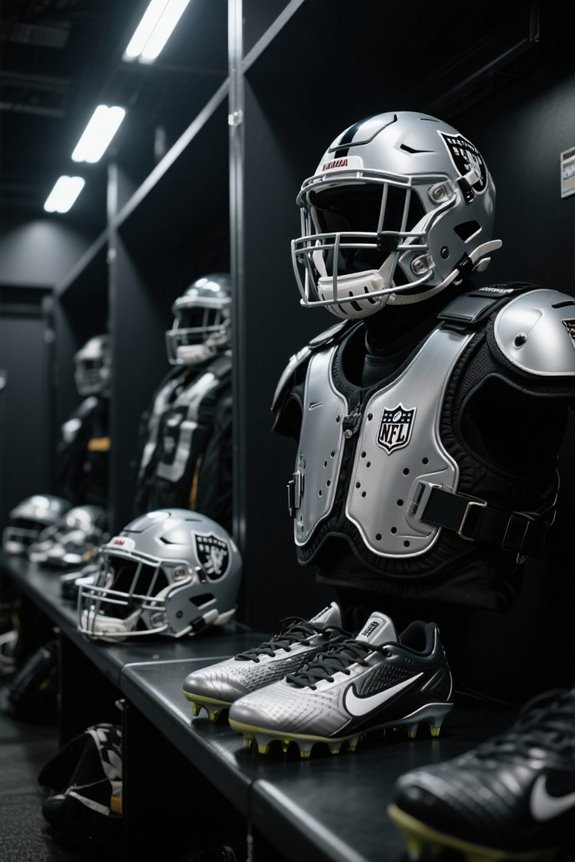
How Do Teams Adjust Their Strategy At Halftime?

Teams adjust their strategy at halftime through various means such as psychological resilience and tactical reassessment. Coaches evaluate game plans, utilizing real-time data analytics to identify underperformers. Effective communication, emphasized by emotional intelligence, fosters a positive atmosphere for player involvement in strategic changes. Additionally, physical recovery interventions, including hydration and dynamic warm-ups, are implemented to maintain readiness. These adjustments collectively aim to enhance performance and outcomes, leading to potential insights into further strategies used in such situations.
Key Takeaways
- Coaches analyze first-half performance data to identify weaknesses and adjust tactical approaches as needed.
- Emotional regulation techniques help players refocus, boosting motivation and belief in a comeback.
- Tactical discussions may lead to changes in formations, pace, and strategic player substitutions.
- Hydration and physical recovery interventions are implemented to ensure optimal player performance.
- Effective communication fosters team involvement in strategy adjustments, enhancing collective ownership.
Psychological and Motivational Adjustments
Psychological resilience plays an essential role in the adjustments teams make during halftime, as players must navigate complex emotional landscapes that can greatly influence their performance in the second half. Effective emotional regulation is imperative; addressing feelings of frustration or resentment prevents disruptions in focus and teamwork. Coaches emphasize the importance of acknowledging these emotions while guiding players to refocus on collective goals, thereby enhancing mental toughness. Halftime serves as a confidence-boosting opportunity, where coaches utilize positive reinforcement to highlight individual strengths and past successes. Setting clear, achievable objectives for the second half promotes belief in a comeback, ensuring that players remain motivated. Additionally, effective communication with young athletes helps in enhancing learning and motivation, collectively making these psychological and motivational adjustments vital for maintaining performance during challenging conditions.
Strategic Tactical Adjustments
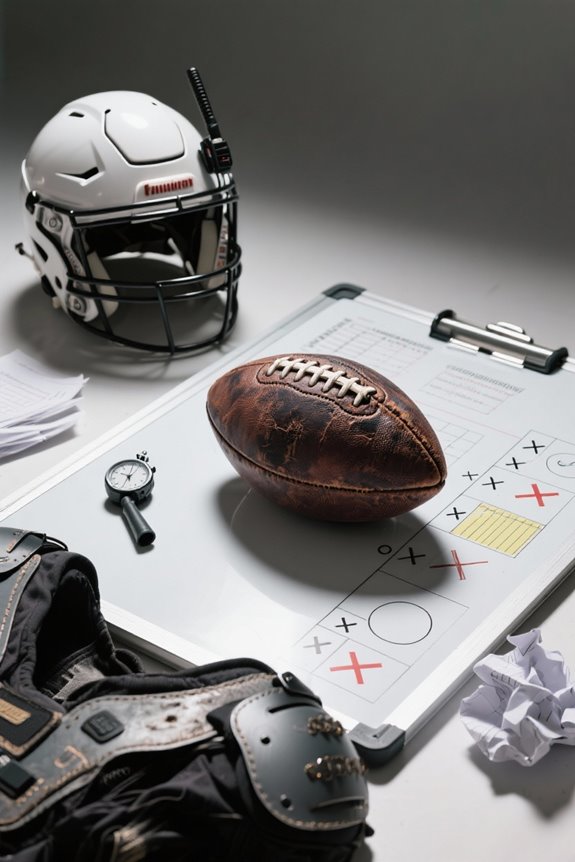
Strategic tactical adjustments at halftime are critical for a team’s performance, as they can notably influence the course of the game. Coaches meticulously review their game plans, evaluating what aspects are effective and identifying necessary adjustments. Specific tactical discussions focus on altering defensive formations to counteract opponents’ strategies or modifying offensive strategies to exploit defensive weaknesses. Additionally, adjustments might include player substitutions or modifications to pace, aimed at providing a competitive advantage. Efficient management of halftime allows coaches to conduct staff meetings, facilitate player hydration, and guarantee thorough communication regarding the new strategies. Ultimately, the effectiveness of these adjustments can dramatically shape the outcomes of games across various sports, impacting a team’s overall success in the second half. Collectors and fans alike might appreciate how NFL memorabilia can serve to enhance their loyalty while following their team’s performance.
Recommended Products
Officially licensed product of the National Football League
![Fantasy Football Draft Board 2026-2027 [ Premium 10 Team, 12 Team,14 Team Boards ] (10 Team 16 Round)](https://m.media-amazon.com/images/I/51cugKJ5WGL._SL500_.jpg)
DRAFT DIFFERENT IN 2026: Premium Fantasy Football Draft Board Updated for the 2026 Season
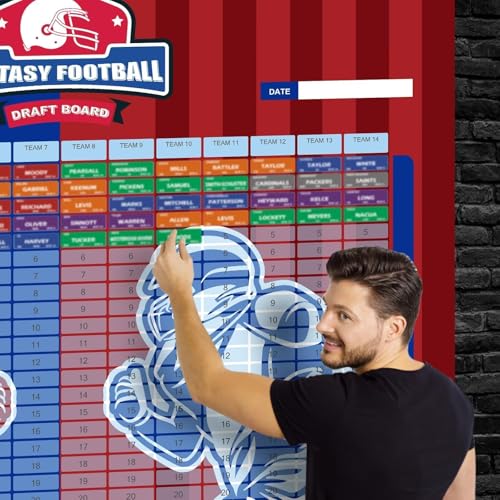
2026 Fantasy Football Draft Board Kit: This extra-large (5.3 x 3.7 ft) fantasy football draft board 2026 supports 14 teams and 20 rounds. It comes with 627 player stickers featuring top players and promising rookies, plus blank stickers for customization
Use of Data and Analytics
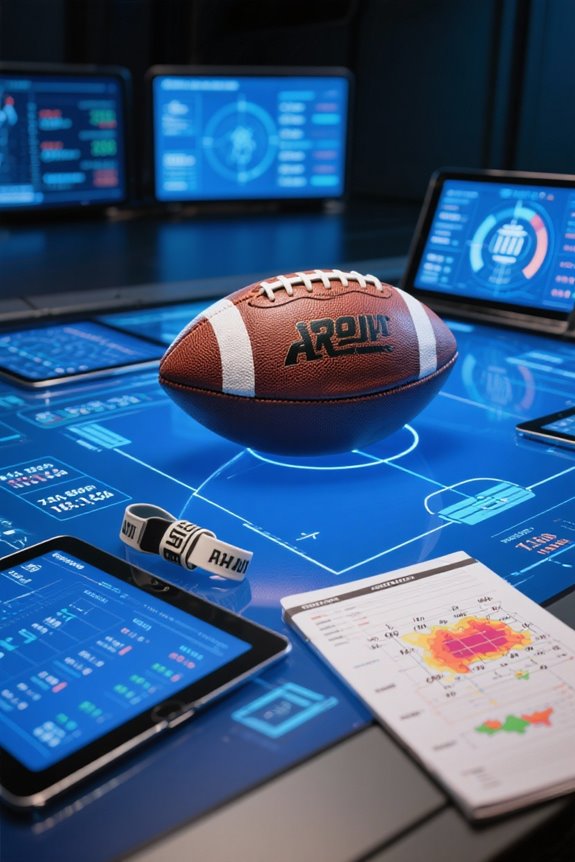
In today’s competitive sports environment, the use of data and analytics has become indispensable, particularly at halftime when swift adjustments can make a notable difference. Coaches rely on real-time analytics gathered through mobile devices to assess player performance, tactical adherence, and opposing strategies. These instantaneous insights, including biometric monitoring of heart rate and movement, inform decisions on player workload and readiness. Multiple analysts provide thorough reports, enabling teams to identify underperforming players and optimize substitutions. Additionally, advanced algorithms dissect opponent formations and tendencies, guiding strategic shifts. AI models further enhance this process by simulating game scenarios, while machine learning identifies patterns for improved decision-making. Overall, data-driven insights facilitate accurate assessments, markedly contributing to successful halftime strategies. Employing speed training techniques can also enhance players’ performance, thereby influencing in-game strategies.
Recommended Products

WHAT'S INCLUDED: MAXPRO Sport Orange SmartConnect, MAXPRO 3-piece Quick Connect Long Bar, 2x MAXPRO Workout Handles, 2x MAXPRO Ankle/Wrist Straps, 2x MAXPRO Door Mount Brackets & USB Charger
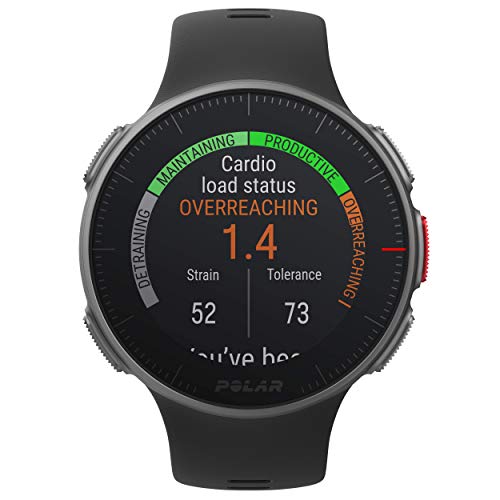
ULTRA-LONG BATTERY LIFE: The Polar Vantage V Multisport Watch has up to 40 hours of training time with GPS active. As a premium, durable, and waterproof watch, the Vantage V can stand up to your toughest training and gruelling races.

IN THE BOX: 1 x Favero Assioma DUO Power-meter Cycling Pedals (MPN 00772-02), 2 Pairs of Red Float Cleats (Six Degree), 1 x Wearable4U Cleaning Cloth.
Communication and Leadership During Halftime
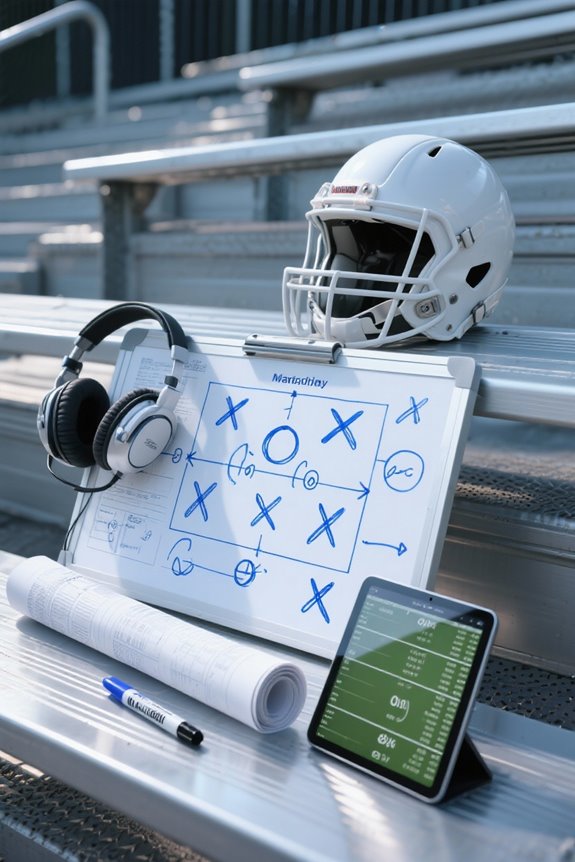
Effective communication and leadership during halftime are essential components in a team’s ability to rebound from suboptimal first-half performance. Coaches utilize feedback techniques to analyze performances, focusing on strengths and weaknesses, thereby providing targeted advice that refines the team’s approach. By employing emotional intelligence, coaches foster an environment conducive to positive reinforcement, critical for maintaining morale and motivation. Effective communication strategies include using visual aids and emphasizing clear tactical adjustments. In addition, balancing motivational messaging with concrete instructions helps set a focused tone for the second half. By encouraging player involvement and open dialogue, coaches enhance understanding and ownership of strategic changes, ultimately building accountability within the team while maintaining a respectful and disciplined environment necessary for successful execution. Incorporating mental training strategies can further elevate the effectiveness of halftime adjustments, ensuring players are not just physically prepared but also mentally sharp for the challenges ahead.
Physical and Recovery Interventions
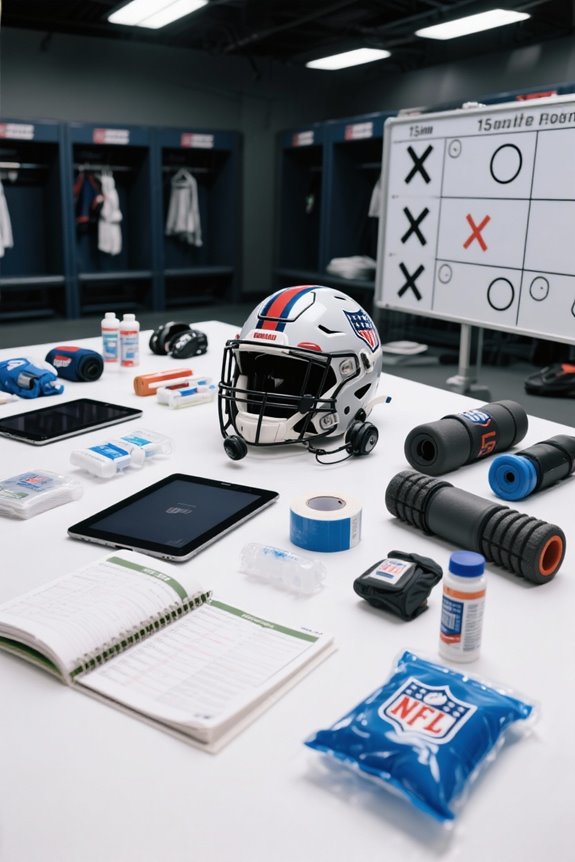
Halftime presents a critical juncture for teams to implement physical and recovery interventions designed to optimize performance in the second half. Research indicates that passive inactivity during this period appreciably decreases muscle temperature, impairing explosive force generation. To counteract this, effective re-warm-up protocols, such as dynamic exercises and low-to-moderate intensity activities, can be beneficial. These interventions should begin after 1 to 14 minutes of passive rest to maintain core temperature and enhance neuromuscular readiness, thereby minimizing injury risk. Additionally, hydration strategies play an essential role, as proper fluid intake during halftime supports muscle glycogen availability and plasma volume. Incorporating moisture-wicking technology into base layer gear can further assist in maintaining optimal body temperature during these crucial breaks. Coordinating these interventions guarantees both physical and cognitive recovery are maximized, ultimately improving second-half performance.
Frequently Asked Questions
How Do Halftime Adjustments Differ Between Sports?
Halftime adjustments vary across sports; basketball adjustments focus on offensive efficiency, while football strategy emphasizes in-depth analysis and playbook revisions. Each sport tailors its approach to maximize performance based on first-half observations and conditions.
What Role Does Team Morale Play in Halftime Adjustments?
Team morale plays a vital role in halftime adjustments, enhancing team cohesion and player motivation. A positive mindset fosters constructive dialogue, enabling teams to embrace strategic changes and execute them effectively in the second half.
How Do Injuries Impact Halftime Strategy Changes?
When the winds shift, so must the sails. Injury assessment compels coaches to modify strategies, adapting formations and roles while prioritizing team cohesion. Adjustments reflect both tactical necessity and the psychological resilience of the players.
Are There Best Practices for Effective Halftime Speeches?
Effective halftime speeches employ motivational techniques that incorporate halftime tactics, focusing on brevity, clear messaging, and a balance of praise and criticism to inspire players and enhance performance in the following half.
How Do Fans Influence Teams’ Performances After Halftime?
Fan engagement and crowd motivation greatly influence teams’ performances after halftime. Players often respond positively to cheers, enhancing focus and energy, while sustained fan support drives improved risk-taking and offensive strategies in the second half.


