As an Amazon Associate, we earn from qualifying purchases. Some links on this site are affiliate links at no extra cost to you. Our recommendations are based on thorough research and editorial judgment.


How Can Young Athletes Balance Football And Academics?

Young athletes can effectively balance football and academics by developing strong time management skills and utilizing extensive academic support programs. With NCAA players spending approximately 31 hours weekly on football, prioritizing tasks based on deadlines is essential for maintaining academic performance. Schools that offer tutoring, advising, and tailored resources greatly enhance athlete engagement and graduation rates. Additionally, effective communication with coaches and teachers can prevent misunderstandings and foster trust, a vital component for success in both fields. Further insights can help refine these strategies.
Key Takeaways
- Develop strong time management skills by prioritizing tasks and creating a structured weekly schedule that aligns academic deadlines with football training.
- Utilize productivity tools and study partnerships with teammates to enhance organization and foster accountability in academic commitments.
- Communicate openly with coaches and teachers to prevent misunderstandings, ensuring a supportive environment for academic and athletic improvements.
- Maintain a balanced diet and consistent sleep schedule to enhance both physical performance in football and cognitive focus in academics.
- Engage in various activities outside of sports to promote cognitive growth and develop a well-rounded identity, boosting confidence in both domains.
Understanding the Academic Challenges Faced by Young Athletes
Understanding the academic challenges faced by young athletes, particularly football players, reveals a complex interplay of competing demands that greatly impacts their educational experience. NCAA football players commit approximately 31 hours weekly to football activities, often sacrificing study time and class attendance. This intense schedule fosters significant academic pressures, as managing schoolwork alongside athletic training requires organizational skills that many student-athletes have not yet developed. Consequently, poor time management emerges, leading to increased performance anxiety related to both sports and academics. Moreover, the psychological burden of potential career uncertainty amplifies these challenges, as only about 1.6% of NCAA players shift to professional leagues. Ultimately, the cumulative impact of these pressures detrimentally affects students’ academic achievements and overall well-being. Additionally, proper equipment selection can play a significant role in a player’s confidence during gameplay, potentially alleviating some of the performance anxiety they experience.
The Importance of Academic Support Programs

Academic support programs play an essential role in enhancing the overall success of student-athletes, as they navigate the pressures of high-level sports alongside their educational pursuits. Structured academic support services, such as tutoring and advising, help guarantee eligibility and facilitate graduation progress. Institutions like Michigan State University, which boast graduation rates of 88% for student-athletes, exemplify the effectiveness of these programs. Extensive academic resources, including dedicated study spaces and tutor connections, increase engagement and performance among athletes. Furthermore, support programs have successfully maintained academic achievement even amid challenges like the COVID-19 pandemic. By tailoring academic advising to the unique schedules of athletes, these programs greatly enhance their academic outcomes and retention rates. Additionally, implementing team development practices encourages student-athletes to prioritize their academics alongside their sport commitments.
Time Management Strategies for Student-Athletes

Balancing rigorous athletic commitments with academic responsibilities requires adept time management strategies among student-athletes. Effective time allocation is essential, as it allows students to prioritize tasks by deadline and importance, reducing the risk of academic overload. Utilizing productivity tools like digital planners aids in organizing commitments, while creating detailed weekly schedules promotes a balanced approach to training, study time, and rest. Utilizing micro-productivity techniques, such as reviewing notes during pre-practice intervals, helps maximize time efficiency. Establishing study partnerships with teammates fosters accountability and enhances cooperative scheduling. Additionally, incorporating short recovery techniques and maintaining consistent sleep schedules supports peak performance and cognitive function. These strategies collectively contribute to managing the dual demands of academics and athletics successfully, especially when considering structured training phases that align with academic requirements.
Recommended Products

Perfect for sporting events

THOUGHTFUL LAYOUT. Simple, clean, and time-tested. Ample of room space for writing down exercises, weights, reps, cardio, and notes. Before purchasing, we recommend that you download a "standard template" PDF file from our website and print it to make sure that the layout suits you.
Designing a Balanced Schedule
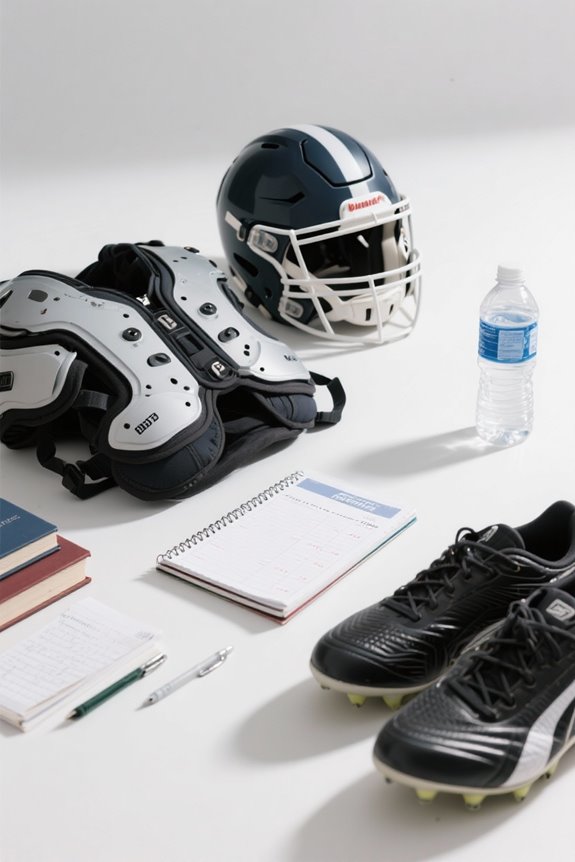
Effective scheduling is essential for student-athletes aiming to manage their commitments to both football and academics. A well-structured weekly framework allows for schedule optimization, integrating academic deadlines, football training, and recovery strategies. Allocating specific daily hours for studying, particularly during peak mental energy periods, enhances academic integration while maintaining a training balance. Additionally, it is vital to incorporate fixed meal times and minimal rest days to foster energy levels necessary for both domains. Flexible adjustments enable adaptation to changes in training intensity or academic workload. Regular performance tracking and weekly evaluations can assist in identifying stress points and refining time allocation, ensuring ongoing efficiency and preparedness throughout the athletic season. Incorporating strength and conditioning routines can further enhance performance and recovery, benefiting both academic and athletic pursuits.
Effective Communication With Coaches and Teachers

Communication plays a pivotal role in the development and success of student-athletes, particularly in the intersection of sports and academics. Effective communication strategies between coaches, teachers, and parents are critical for aligning support and managing the dual commitments of young athletes. Clear and concise exchanges prevent misunderstandings, allowing for focused improvement, while ongoing dialogue fosters trust and nurtures motivation. Feedback techniques should incorporate active listening, recognizing that emotional regulation is still developing in youth. By engaging with athletes and soliciting their input, coaches can enhance training approaches. Furthermore, transparent communication regarding academic progress guarantees that potential conflicts are identified early, thereby mitigating risks of burnout and decline in academic performance. Ultimately, effective communication contributes considerably to the overall success of student-athletes, especially when paired with safety ratings and key features that guide athlete preparedness in physical demands.
Utilizing Academic Advisors for Success
Academic advisors play an important role in the success of student-athletes by providing essential support that bridges the gap between athletics and academics. Their advisor availability guarantees that student-athletes receive guidance on managing their coursework while fulfilling sports commitments. By closely monitoring academic progress, especially during the critical first two years, advisors help maintain eligibility for sports participation. Additionally, they connect students with crucial academic resources, promoting overall academic success and improving graduation rates. Through intentional advising strategies, advisors enhance retention rates and support students’ personal development. With an understanding of dynamic team cultures and effective communication, academic advisors offer a holistic approach that aligns with institutional requirements, advancing both academic and athletic achievements for student-athletes. Furthermore, advisors can assist in developing periodization strategies to optimize athletes’ training schedules alongside academic responsibilities.
The Role of Mental Health in Balancing Priorities
Balancing the demands of athletics and academics presents significant challenges for student-athletes, particularly concerning their mental health. Approximately 30% of female and 25% of male student-athletes report anxiety symptoms, often exacerbated by social isolation and academic pressures. This mental strain can impair cognitive functions crucial for academic success, leading to decreased engagement and increased fatigue. In addition, 44% of student-athletes experience daily mental health symptoms, with certain groups facing higher rates. Effective coping strategies, such as regular exercise and mental health awareness, can mitigate these issues. Unfortunately, only about 10% of college athletes with mental health concerns seek professional care. Establishing supportive environments where mental health is prioritized is essential for fostering both academic and athletic success among young athletes. Incorporating ergonomic design in both athletic gear and study environments may also enhance comfort and reduce stress levels.
Stress Management Techniques for Athletes
While competing in sports can generate significant stress, implementing effective stress management techniques emerges as an essential necessity for young athletes. Studies indicate that 91% of high school athletes experience stress related to performance, with 58% reporting moderate to extreme levels. Mindfulness practices, such as meditation and deep-breathing exercises, have proven beneficial in alleviating anxiety among student-athletes. Structured physical activity, apart from specific training, serves as an important stress relief exercise, contributing to improved mood and lower tension levels. Coaches play a pivotal role in fostering healthy coping strategies, as their support can buffer stress and encourage open discussions about mental health. These techniques not only enhance performance but also protect athletes’ overall well-being in demanding environments. Additionally, utilizing tools like football dry erase boards can facilitate clearer communication of strategies, reducing pre-competition anxiety for student-athletes.
The Impact of Nutrition on Academic Performance
Nutrition considerably influences the cognitive performance and overall academic achievement of students, as a well-balanced diet has been demonstrated to enhance brain function and learning capabilities. Research shows that dietary quality, including adherence to nutritional strategies such as the Mediterranean and DASH diets, correlates with improved cognitive function and academic performance. Regular meal patterns, particularly consistent breakfast consumption, contribute positively to students’ focus and attention in class. Conversely, deficiencies in essential nutrients, as well as high consumption of unhealthy foods, adversely impact cognitive development and academic outcomes. Studies reveal that students with poor dietary habits often face lower grades and diminished academic success, underscoring the significant role nutrition plays in their educational progress and cognitive health. Incorporating moisture-wicking technology into snacks or meals can help maintain energy levels during both academic and athletic activities.
Recommended Products

12 Pcs Mediterranean Diet Chart Food List, Grocery List Health Food Guide for Daily Diet Plan, Heart Healthy Easy Recipes for Beginners
Recovery and Rest: Key to Sustained Focus
Recovery and rest play a fundamental role in maintaining the focus and performance levels of young football players. Evidence suggests that quality sleep greatly impacts physiological and cognitive functions necessary for peak gameplay. When young athletes engage in active recovery, such as light jogging or stretching, they promote blood circulation, reduce muscle soreness, and accelerate recovery without hindering muscle development. A periodized framework that aligns rest with training intensity reinforces this process, allowing young players to better manage fatigue accumulated from matches and training sessions. Additionally, inadequate recovery can lead to performance declines lasting up to 72 hours, making structured rest essential. Consequently, prioritizing sleep, active recovery, and individualized recovery strategies is critical for sustaining both athletic performance and academic focus. Furthermore, utilizing insulated water jugs can aid in hydration during recovery, ensuring athletes maintain their fluid intake for optimal performance.
Addressing Socioeconomic Disparities in Athletic Academics
How can addressing socioeconomic disparities enhance the academic and athletic outcomes of student athletes? Socioeconomic influences profoundly affect educational access, which in turn shapes student athletes’ success. Research indicates that higher family incomes correlate with greater educational aspirations and social capital, impacting motivation and goal-setting. Families in low socioeconomic conditions often encounter barriers that limit both athletic and academic opportunities, resulting in lower graduation rates among minority athletes. For example, African-American male athletes graduate at a rate of only 42%, compared to 57% for their White counterparts. By formulating policies that target these disparities, coaches, educators, and parents can improve access to resources, thereby fostering an environment where all athletes have equitable opportunities to excel academically and athletically.
Supporting Female Athletes in Balancing Academics and Sports
Supporting female athletes in balancing academics and sports is increasingly recognized as a vital component of their overall success. Women student-athletes currently achieve a Graduation Success Rate of 95%, especially higher than the 86% for their male counterparts. To further support these learners, institutions provide academic services, including specialized tutoring and advising that cater to the unique challenges they face. Empowering mentorship programs linking female athletes with successful role models have proven beneficial, helping mitigate the effects of gender biases and enhancing academic focus. As Black female athletes demonstrate an 89% graduation success rate, it is evident that tailored academic support fosters long-term progress, improving overall educational outcomes and encouraging women to prioritize both their athletic and academic pursuits effectively.
Building a Strong Support Network
Building a strong support network is vital for student-athletes as they endeavor to excel both academically and in their sports. Structured academic support systems, such as study halls, enable focused learning, improving both discipline and academic performance. The inclusion of teachers and academic advisors in these settings provides immediate assistance. Additionally, leveraging technology, through digital libraries and videoconferencing, facilitates flexible learning, accommodating travel schedules and enabling personalized study paths. Networking strategies are essential; peer mentoring enhances comprehension and provides emotional support, fostering resilience. Moreover, dedicated academic mentorship establishes tailored improvement plans, addressing individual needs while monitoring progress consistently. This all-encompassing support framework not only aligns academic and athletic endeavors but also equips student-athletes for future challenges in both domains.
Encouraging a Well-Rounded Identity Between Sports and Academics
Encouraging a well-rounded identity among student-athletes is essential, as it not only influences their emotional well-being but also impacts their long-term success. Identity development for young athletes can be advanced through voluntary extracurricular engagement beyond sports, addressing the risks associated with over-identification. Research indicates that athletes participating in various activities exhibit improved coping skills and resilience in stressful situations. Moreover, structured programs fostering dual careers in academics and athletics contribute to overall life satisfaction and enhanced academic performance. Institutions providing tailored academic support and flexible scheduling help athletes balance their commitments, reinforcing a diverse self-concept. Ultimately, a well-rounded identity supports essential cognitive and social development, promoting sustained academic motivation and future opportunities beyond sports.
Frequently Asked Questions
How Can Young Athletes Stay Motivated Academically Despite Sports Commitments?
Young athletes stay motivated academically by employing effective time management and setting specific academic goals. By prioritizing their schedules and integrating study time with training, they can maintain focus on both their academic and athletic commitments.
What Are Essential Resources for Academic Tutoring Specific to Athletes?
Essential resources for academic tutoring specific to athletes include specialized tutoring programs and online resources. Ironically, while athletes juggle schedules, these supports not only enhance learning but guarantee sports commitments don’t overshadow academic success.
How Does Participation in Sports Impact College Admissions Decisions?
Participation in sports enhances college admissions decisions by demonstrating holistic development and athletic commitment. Strong academic performance, alongside sports involvement, contributes to college readiness, improving prospects for applicants and attracting attention from college coaches and institutions.
Are There Scholarships Available Specifically for Academically Strong Student-Athletes?
Are there scholarships available specifically for academically strong student-athletes? Yes, while most athletic scholarships emphasize athleticism, academic excellence can greatly enhance eligibility for both partial and full athletic scholarships, making them more competitive in recruitment.
What Role Do Parents Play in Supporting Academic Success for Young Athletes?
Parents play an essential role in supporting academic success for young athletes through active parental involvement and effective motivation strategies. This includes showing interest in academics, providing constructive feedback, and encouraging balanced participation in both sports and education.


