As an Amazon Associate, we earn from qualifying purchases. Some links on this site are affiliate links at no extra cost to you. Our recommendations are based on thorough research and editorial judgment.


How Do High School Football Players Get Recruited To College?

High school football players are recruited to college through a process that begins in their early years, focusing on both athletic performance and academic achievement. By sophomore year, NCAA regulations allow Division 1 coaches to initiate contact. Players must compile highlight reels and engage with college coaches independently, while high school coaches verify statistics and provide references. Academic eligibility requires completion of specific courses and standardized test scores. More insights into the recruitment process can provide further understanding.
Key Takeaways
- Recruitment starts in early high school, focusing on academic and athletic performance to attract college coaches.
- Coaches can officially contact players starting June 15 of the sophomore year, marking the beginning of recruitment.
- Participation in football combines and showcases boosts visibility, with performance data influencing star ratings and recruitment chances.
- High school coaches play a pivotal role by promoting athletes and verifying stats, while players should communicate their aspirations proactively.
- Understanding NCAA regulations is essential, including core course requirements and GPA standards that impact eligibility for recruitment and scholarships.
The Recruitment Timeline for High School Athletes
The recruitment timeline for high school athletes begins to take shape during their early high school years, primarily through the freshman and sophomore phases, when foundational relationships and academic performance are established. During these recruitment phases, athletes initiate research on prospective colleges while sustaining strong academic and athletic habits. The sophomore year marks the first opportunity for Division 1 coaches to contact players, starting on June 15. Throughout these years, athletes should focus on relationship building with coaches, collecting game film highlights, and preparing recruiting materials such as highlight videos and academic records. Additionally, engaging in proper training and wearing compression football girdles can enhance performance and reduce injury risks during evaluations and showcases. By nurturing rapport with high school coaches, athletes can secure valuable referrals, which greatly enhance their offers timeline as they approach the more intense recruitment activities in junior and senior years.
Recommended Products

High-grade Engineered Elastic knee brace for therapeutic compression, circulation and comfort


9mm Hex Pad professional foam padding bonded to a breathable nylon fabric
Key Evaluation Metrics and Showcases

In evaluating high school football players for college recruitment, coaches and scouts utilize a variety of key metrics and showcase events to assess athletic potential and fit within their programs. The evaluation criteria include verified physical measurements and position-specific skills, which provide essential data for making informed assessments. Prominent recruiting events, such as football combines and showcases, allow prospects to demonstrate their abilities in front of college recruiters, enhancing their visibility. Performance data collected at these events often influences star ratings and composite scores, which are critical to evaluations. In addition, coaching staffs look for intangible qualities such as leadership and work ethic, recognizing that character can greatly impact a recruit’s long-term success within college football programs. Many players also consider wearing protective gear, such as 7-pad football girdles, to enhance their performance safely on the field.
Recommended Products

The Flex System has flexibility engineered into the shell, facemask and clip to reduce impact force

ED Glass for Sharper and Brighter Images | Magnification: 10x Power | Objective Lens Diameter: 42mm
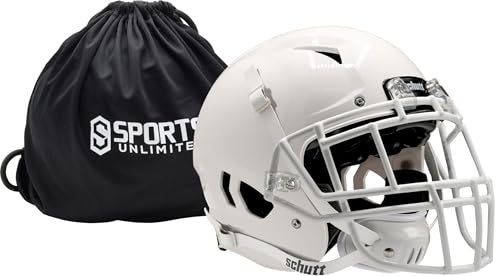
Classic, low profile Vengeance shell design with smaller standoff and mohawk look
The Role of High School Coaches and Player Initiative
High school coaches play an essential role in the recruitment process for aspiring college football players, serving as key communicators between athletes and college programs. While coach relationships may vary in influence, these coaches assist in verifying player statistics, providing references, and nominating players for awards. It is vital for players to engage in proactive player communication, informing coaches about their college aspirations, so that coaches can support their recruitment efforts. In addition, players are encouraged to take initiative by conducting independent research, preparing highlight reels, and contacting college coaches directly. Successful recruitment relies on a collaborative approach, where both coaches and players work together to optimize outreach and develop targeted college lists, ensuring alignment with recruitment goals. Utilizing effective coaching strategies(10-best-football-coach-clipboards) can enhance team visibility and aid in player promotion.
Understanding NCAA Recruitment Regulations
How familiar are high school athletes with the intricacies of NCAA recruitment regulations? Understanding these NCAA regulations is vital for high school football players aspiring to play at the collegiate level. Key recruitment strategies involve recognizing specific recruiting periods, which include Contact, Evaluation, Quiet, and Dead Periods. Each period defines permissible coach-recruit interactions, varying by division and sport. For instance, coaches can initiate contact after June 15 of a player’s sophomore year or on September 1 of their junior year. The recruitment calendar specifics, such as limited evaluation days and restrictions on communication, further complicate this process. As recruitment changes evolve, awareness of new regulations tailored to enhance recruitment flexibility is essential for athletes steering their collegiate aspirations. Additionally, coaches can benefit from effective communication strategies that help engage and motivate athletes throughout this complex process.
Finding the Right Fit: Academic and Athletic Considerations
Finding the right fit for college football recruitment requires a thorough understanding of both academic and athletic considerations. Athletes must meet NCAA standards, including completing 16 core high school courses and maintaining a minimum core GPA of 2.3. Additionally, SAT or ACT scores must satisfy NCAA eligibility thresholds. Coaches prioritize recruits who demonstrate strong academic performance, as this reflects their ability to balance athletics and academics. Successful recruitment often hinges on the availability of athletic scholarships, with offers increasingly tied to academic standing. When evaluating prospective colleges, players should consider the quality of academic support alongside athletic opportunities, ensuring an environment conducive to success both on the field and in the classroom, ultimately enhancing their overall college experience. Ankle support cleats can play a vital role in injury prevention capabilities for athletes as they transition to collegiate-level competition.
Recommended Products

ALPHA MENACE ELITE 3 BUILT FOR LINEMEN WHO SET THE TONE The Alpha Menace Elite 3 is Nike's flagship high-top lineman platform, engineered to deliver the traction, stability, and power transfer that offensive and defensive linemen demand at every level of play. Fire off the line with confidence, anchor in protection, and pursue with authority.

Molding details add durability
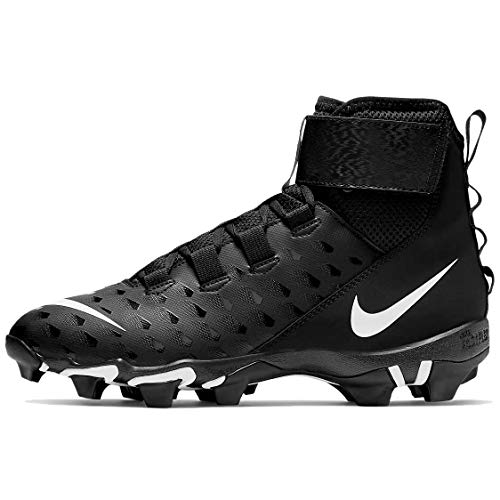
GAME-READY TRACTION. The Nike Force Savage Shark 2 is built for the trenches. Its durable design is backed by molded details made to help resist abrasion. A Nike Fastflex outsole keeps things going with an articulated design that helps you move freely.
Frequently Asked Questions
What Should Athletes Include in Their Highlight Videos?
Highlight videos should pack a punch, showcasing essential footage like explosive plays and athletic metrics. Effective highlight video tips include clarity, brevity, and a compelling personal story to capture the attention of prospective coaches.
How Can Players Effectively Communicate With College Coaches?
Players can effectively communicate with college coaches by sending effective emails and personalized messages. Concise content, highlighting athletic achievements and academic metrics, alongside links to highlight videos, fosters engagement and showcases the athlete’s potential.
What Is the Importance of a Player’s Social Media Presence?
A player’s social media presence is crucial for personal branding, enhancing visibility and appeal to recruiters. It allows players to showcase skills, demonstrate character, and engage directly with coaches, influencing recruitment opportunities in a competitive landscape.
How Can Athletes Secure Walk-On Opportunities at Colleges?
Steering through the labyrinth of college football, walk-on prospects can secure opportunities by showcasing skills at training camps, contacting coaching staff to express interest, and demonstrating resilience through rigorous performance evaluations and adherence to academic standards.
What Are Common Mistakes Athletes Make During the Recruiting Process?
Common mistakes athletes make during the recruiting process include setting unrealistic expectations and poor time management. Delaying engagement and misjudging their skill level often lead to missed opportunities and increased stress throughout the recruitment journey.


