As an Amazon Associate, we earn from qualifying purchases. Some links on this site are affiliate links at no extra cost to you. Our recommendations are based on thorough research and editorial judgment.


10 Best Football Workout Programs to Elevate Your Game This Season

To elevate your game this season, consider top programs like the “Ultimate Guide to Physical Training for Football,” which enhances speed, agility, and strength. “Complete Conditioning for Soccer” focuses on individualized protocols, while “Strength Training for Football” provides specialized regimens for athletic development. “Football: A Beginners Guide” offers foundational knowledge, and “Sports Nutrition Guide for Young Adults” emphasizes dietary choices for athletes. Choosing the right program based on your goals is essential; further options await your exploration.
Key Takeaways
- Position-Specific Training: Choose programs tailored for your specific football position to enhance appropriate physical demands and skills necessary for success on the field.
- Strength and Conditioning Focus: Opt for workouts that prioritize strength and conditioning, as they are crucial for improving overall athletic performance, speed, and agility.
- Incorporate Variety: Select programs that offer a diverse range of exercises, preventing plateaus and fostering balanced development of strength, agility, and endurance.
- Emphasize Flexibility and Mobility: Include training routines that focus on flexibility and mobility to aid in injury prevention and enhance overall performance on the field.
- Structured Training Phases: Look for programs that utilize training periodization to manage fatigue effectively and optimize performance throughout the season.
The Ultimate Guide to Physical Training for Football (Ultimate Guides)

The Ultimate Guide to Physical Training for Football
- Used Book in Good Condition
The “Ultimate Guide to Physical Training for Football” is an ideal resource for athletes seeking measurable performance improvements, particularly in areas such as speed, agility, and strength. Users have reported significant gains, including an impressive 20-pound increase in muscle mass, showcasing the guide’s efficacy. Authored by experts with both scientific and practical coaching backgrounds, the book is accessible to athletes and parents alike, making it an excellent tool for effective training. It emphasizes proper form and techniques, essential for avoiding injuries. While some content may mirror “Chance to Win,” its clarity and practical application contribute to its positive reception among users.
Best For: Athletes looking to improve their performance in football, particularly in speed, agility, and strength.
Pros:
- Clear and practical guidance suitable for athletes and coaches of all levels.
- Significant performance improvements reported by users, including muscle gains.
- Emphasizes proper form and effective training techniques to reduce injury risk.
Cons:
- Some users noted biases within the content, which may affect objectivity.
- Comparisons to “Chance to Win” suggest limited new insights for those familiar with it.
- Feedback indicates that while useful, it may not offer extraordinary or groundbreaking information.
Complete Conditioning for Soccer
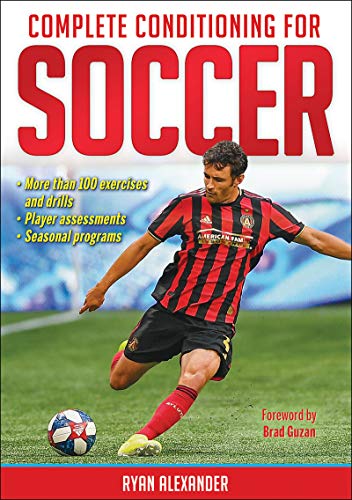

“Complete Conditioning for Soccer” stands out as an essential guide for coaches and players looking to elevate their physical training programs. This resource provides a detailed, position-specific approach to developing training regimens tailored to individual player needs, catering to various skill levels. Dr. Alexander’s insights into strength and conditioning principles form a robust framework for enhancing athletic performance. His clear explanations of complex scientific concepts, supported by diagrams and practical techniques, empower coaches to implement effective strategies. While the book is engaging and informative, integrating stronger connections to practical on-field training would enhance its applicability for coaches and players alike.
Best For: Coaches, players, and soccer enthusiasts seeking to enhance their athletic development through position-specific conditioning programs.
Pros:
- Comprehensive knowledge in strength and conditioning tailored for various skill levels.
- Clear explanations of complex scientific concepts make it accessible for coaches without a sports science background.
- Practical application through diagrams and techniques empowers coaches to implement effective training strategies.
Cons:
- Lacks stronger connections to practical on-field training, potentially limiting its applicability during sessions.
- May provide an overwhelming amount of information for those new to conditioning concepts.
- Limited focus on specific soccer tactics, as the emphasis is primarily on physical conditioning rather than gameplay strategies.
Strength Training for Football (Strength Training for Sport)
Sale


Strength Training for Football (Strength Training for Sport)
- Description|Table of Contents|Editor|Excerpts|Sample Content|Quotes|11 testing protocols for measuring and assessing athletes strength power speed agility endurance and...
For football athletes seeking to enhance their performance through strength training, “Football Workout Programs” stands out as an invaluable resource. This thorough guide, written by multiple NSCA-affiliated strength coaches, offers position-specific exercises that improve various aspects of your game. It divides training into structured periods—off-season, preseason, in-season, and postseason—providing tailored plans for every role. You’ll find detailed descriptions and photos of exercises aimed at enhancing explosive power, essential for competitive play. Although it doesn’t specifically address speed and conditioning, the inclusion of plyometric workouts guarantees you’re well-prepared for intense athletic demands, justifying its reputation for effective training strategies.
Best For: Football athletes looking to enhance their performance through specialized strength training tailored to their position.
Pros:
- Provides comprehensive, position-specific workout plans for all stages of the football season.
- Includes detailed exercise descriptions and illustrative photos, enhancing understanding and execution.
- Emphasizes explosive power training through plyometric workouts that prepare athletes for competitive play.
Cons:
- Does not cover speed and conditioning aspects directly, limiting a holistic approach to athletic performance.
- May be overwhelming for beginners due to the depth of content and variety of exercises.
- Requires access to gym facilities and equipment, which may not be feasible for all athletes.
Football: A Beginners Guide: Learn the Basics to Watch and Enjoy the Game
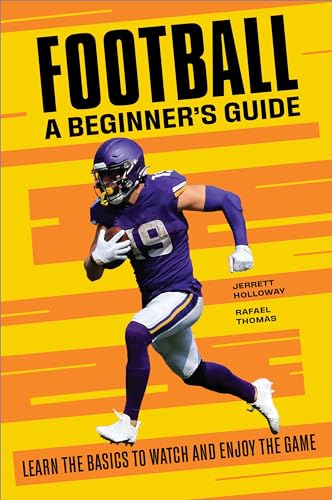
Whether you’re a parent looking to introduce your child to the sport or an adult seeking to catch up on football fundamentals, “Football: A Beginners Guide” serves as a valuable resource. This well-written guide effectively covers the basics of football, making it accessible for readers of all ages. Readers praise its concise explanations and supportive visuals, particularly highlighting sections like “The Spectators Playbook,” which outlines offensive and defensive plays. With favorable reviews from individuals with no prior football knowledge, this book is a recommended investment, enhancing your ability to understand game terminology and gameplay, thereby enriching your viewing experience alongside friends and family.
Best For: Beginners of all ages, including children and adults, who want to learn the fundamentals of football and enhance their viewing experience.
Pros:
- Clear and concise explanations make the content easy to understand, even for those with no prior knowledge.
- Visually supportive with helpful pictures that aid in grasping complex concepts.
- Positive reader experiences highlight personal transformations and increased engagement with the sport.
Cons:
- May not delve deeply into advanced strategies or complex rules, which could limit its appeal to more experienced fans.
- Some readers might find it basic if they already have a foundational knowledge of the game.
- Limited to introductory material, which may not satisfy those looking for an in-depth analysis of football.
Sports Nutrition Guide for Young Adults

A vital aspect of athletic development lies in proper sports nutrition, making “Sports Nutrition for Young Adults” an essential resource for young athletes and their guardians. This guide effectively improves sports performance by offering evidence-based nutritional practices. It aims to assist both young athletes and their parents, providing straightforward information that simplifies dietary choices. The book’s accessible format allows readers to apply these concepts practically, although some recipes may not suit all dietary preferences or budgets. Overall, it serves as a reliable tool for fostering better nutrition, vital for enhancing athletic capabilities in school-age individuals entering competitive sports.
Best For: Young athletes and their guardians seeking guidance on improving sports performance through nutrition.
Pros:
- Well-researched and evidence-based information helps ensure reliable nutrition practices.
- Easy to read and concise, making it accessible for both young athletes and their families.
- Practical application of concepts supports improved dietary choices among school-age children.
Cons:
- Some food recommendations may cater to specific dietary preferences or budgets, limiting accessibility for all.
- Lacks engaging recipes that might appeal to fussy eaters or those desiring simpler cooking options.
- May not cover all aspects of nutrition, leaving some young athletes wanting more comprehensive guidance.
Bodybuilding For Beginners: A 12-Week Program to Build Muscle and Burn Fat
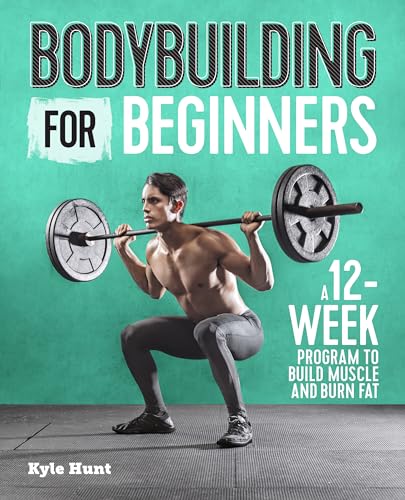
“Bodybuilding For Beginners: A 12-Week Program to Build Muscle and Burn Fat” is specifically designed for individuals new to fitness, making it an exemplary resource for those seeking to establish a solid foundation in bodybuilding. This thorough guide consolidates essential information, featuring clear instructions and a structured program tailored to beginners. Users often report increased strength, improved muscle tone, and weight loss after following the plan. The book also introduces key concepts of workout volume and distinguishes between strength and muscle building. While it offers nutrition and supplement guidance, readers may desire more depth in dietary specifics for best results.
Best For: Beginners, young athletes, or individuals returning to fitness who want to establish a solid foundation in bodybuilding.
Pros:
- Clear instructions and exercise descriptions make it easy to follow for newcomers.
- A structured 12-week program helps users see noticeable results like weight loss and increased strength.
- Consolidates essential info into one resource, making it convenient for beginners.
Cons:
- The nutrition section lacks depth, leaving readers wanting more detailed dietary guidance.
- Absence of page numbers alongside exercises can make it cumbersome to navigate the workout plan.
- Advanced concepts and variations may be underrepresented, limiting progression for those with more experience.
Soccer Training Equipment Set with Agility Ladder and Resistance Bands

MIVERYEA Soccer Training Equipment Set, 20 Feet 12 Rungs Pro Speed & Agility Ladder, Resistance...
- 【Agility Training Equipment Set】Our soccer training equipment includes a 20-foot adjustable agility ladder, 4 steel spikes, a resistance parachute, a jump rope and...
- 【Customize Your Training】Use this soccer training equipment, basketball training equipment, baseball training equipment, workout equipment for various training to...
- 【Adjustable Agility Ladder】Our agility ladder is designed with 12 rungs, the spacing between the rungs can be adjusted to 15 inches using nylon straps, and the total...
The MIVERYEA Soccer Training Equipment Set, featuring a 20-foot adjustable agility ladder and resistance bands, stands out as an exceptional choice for athletes looking to enhance their speed, agility, and coordination. This set includes 12 rungs with adjustable spacing, allowing for customizable training that promotes balance and leg strength. Constructed from high-quality materials, the agility ladder boasts durability and comes with steel spikes for stability during workouts. The addition of resistance bands and a carrying bag makes this set versatile, catering to various sports and skill levels, from beginners to professionals. It’s highly rated, reflecting its effectiveness and user satisfaction.
Best For: Athletes of all skill levels, coaches, and fitness enthusiasts looking to improve their speed, agility, and coordination.
Pros:
- High-quality and durable materials ensure long-lasting use.
- Adjustable design allows for customizable training suited to various skill levels.
- Compact carrying bag makes it easy to transport and use anywhere.
Cons:
- Some users suggest clearer markings for rung spacing to enhance training accuracy.
- Agility ladder may require additional securing on some surfaces beyond the provided steel spikes.
- Resistance parachute may be less effective in very windy conditions.
GHB Agility Ladder Training Equipment Set
Sale

GHB Agility Ladder,Football Training Equipment Set,4 Agility Hurdles, 20 feet12 Rungs Speed...
- 20 Feet 12 Rungs Agility Ladder and 12 Cones for Workout: Ideal for beginners and professional athletes, this agility ladder set is a must-have for improving speed...
- 4 Agility Hurdles Football Soccer Speed Training Equipment Set: Agility Hurdles with Ajustable 2 Height for different drills and techniques.A must have for football...
- Resistance Parachute with Belt and Bands Speed Training Set: Parachute with fast release waist belt include for improved speed, stamina, strength, and acceleration chute...
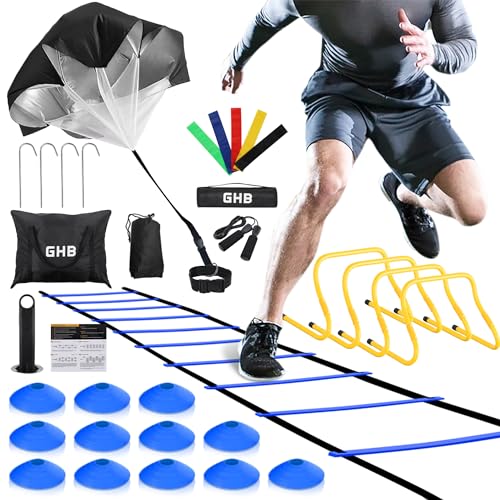
For athletes seeking to enhance their agility and speed, the GHB Agility Ladder Training Equipment Set serves as an essential tool, regardless of skill level. This all-encompassing kit features a 20-foot agility ladder with 12 adjustable rungs, four height-adjustable hurdles, and twelve disc cones. To further enhance your training, it includes a resistance parachute and five resistance bands, useful for developing speed and strength. Portable and durable, this set is ideal for individuals of all ages and skill levels, enabling effective drills for football, basketball, and other sports, ultimately elevating your athletic performance throughout the season.
Best For: Athletes of all ages and skill levels looking to improve their agility, speed, and overall athletic performance.
Pros:
- Flexible and adjustable equipment caters to various training drills and skill levels.
- Includes a comprehensive set of tools for agility, speed, and strength training, enhancing overall conditioning.
- Portable and durable design allows for easy transportation and use in various environments.
Cons:
- Some users may find the equipment requires assembly or adjustment before use.
- The agility ladder may not be suitable for extremely uneven surfaces.
- Resistance bands may have varying levels of elasticity, which could affect the intensity of workouts for different users.
Training for Speed, Agility, and Quickness
Sale

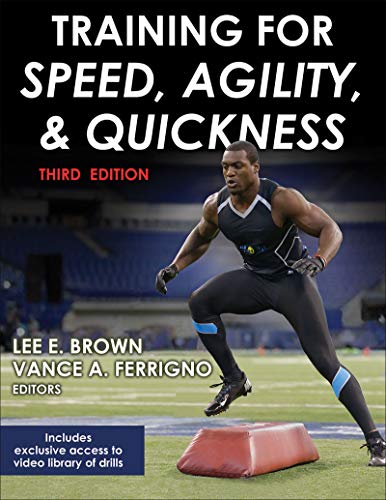
Training for Speed, Agility, and Quickness
- Training for Speed, Agility, and Quickness is the workout guide you need in order to perform a step ahead of the competition
- What elevates this book to become the ultimate training resource is the exclusive access to the online video library of drills, ideal for both athletes and coaches
- Manufactured in United States
Aspiring athletes, regardless of experience level, will find the “Football Workout Programs” particularly beneficial for enhancing their speed, agility, and quickness. With over 200 drills tailored for both individual and team settings, these programs facilitate the development of essential skills for success in football and track. Each drill is accompanied by a detailed exercise library, explaining its purpose and execution, ensuring thorough understanding. Furthermore, multimedia support, including online videos, further enhances learning, although accessibility issues have been reported. Overall, the programs effectively support youth athlete development, making them an excellent resource for aspiring champions in various sports.
Best For: Aspiring athletes, coaches, and sports performance trainers looking to enhance speed, agility, and quickness through comprehensive training programs.
Pros:
- Over 200 drills available for various skill levels, promoting effective training for both teams and individuals.
- Detailed exercise library provides clear descriptions and execution guidelines for each drill.
- Multimedia support with online videos enhances understanding of drills, facilitating better learning.
Cons:
- Mixed feedback on the visual presentation, including black and white imagery that may not be appealing to all users.
- Accessibility issues reported with online video content might hinder some users’ experience.
- Some limitations noted regarding the variety of drills and overall visual elements in the materials.
Next Generation Football Training: Off-Season Workouts for NFL Strength

Next Generation Football Training offers a systematic and structured approach to off-season workouts specifically designed for serious football players aiming to enhance their strength and performance. Developed by Abdul Foster, this 12-week program targets muscle mass, endurance, and overall strength, featuring clear instructions and illustrations for each exercise. The regimen includes essential components such as warm-ups, strength training, and corrective exercises addressing muscle imbalances. Equipment like dumbbells, kettlebells, and bands is required, providing adaptability for various athletes. Coaches and athletes commend its practical application, although some desire more detailed nutritional guidance and clearer visuals for beginners to improve exercise execution.
Best For: Serious football players looking to enhance their strength and performance during the off-season.
Pros:
- Offers a systematic 12-week program targeting muscle mass, endurance, and overall strength.
- Includes clear instructions and illustrations for a wide range of exercises adaptable to different athletes.
- Praised by coaches and athletes for its practical application and structured layout.
Cons:
- Limited nutritional guidance may not satisfy all athletes’ needs.
- Some illustrations are small and unclear, posing challenges for beginners.
- More experienced athletes might find the material less beneficial without additional assistance.
Factors to Consider When Choosing a Football Workout Program

When choosing a football workout program, it’s important to take into account individual position requirements to guarantee the training meets specific demands. Additionally, training periodization will help optimize your performance by incorporating various cycles of intensity and recovery. Finally, a balanced approach that includes strength, conditioning, flexibility, and mobility components can enhance your overall effectiveness on the field.
Individual Position Requirements
Selecting the right football workout program involves understanding the unique physical demands of different positions on the field. Each position typically requires specific physical attributes; for instance, linemen prioritize strength and mass, while wide receivers focus on speed, agility, and explosive power. Training programs must include position-specific exercises; quarterbacks should enhance shoulder and core strength, whereas defensive backs may benefit more from agility and quickness drills. Furthermore, a thorough grasp of biomechanical requirements informs the choice of workouts, such as incorporating plyometric exercises for skill positions. An extensive program should also promote endurance and skill development, ensuring athletes perform effectively throughout games while also addressing conditioning to prevent injuries related to overuse of certain muscle groups.
Training Periodization Importance
Understanding the importance of training periodization is critical for athletes aiming to optimize their performance in football, especially considering the unique demands of their positions. Training periodization systematically divides your training into phases, managing fatigue and preventing overtraining while optimizing performance. It typically includes a macrocycle for long-term goals, mesocycles focusing on specific training objectives for weeks to months, and microcycles that outline weekly schedules. Proper periodization improves strength, speed, and endurance by varying workout intensity and volume throughout the season. Athletes who adopt periodization techniques often report enhanced performance outcomes, including improved muscle strength and athletic capabilities, due to structured progression. This approach accommodates your competitive season, ensuring you peak during critical game periods while effectively managing recovery times.
Exercise Variety and Balance
A well-structured football workout program focuses on exercise variety and balance to enhance overall athletic performance effectively. A balanced program incorporates exercises targeting strength, agility, speed, and endurance, ensuring thorough development. Position-specific drills are crucial, addressing the unique demands of different roles on the field. Plyometrics, for example, develop explosive power, while agility drills improve quickness and coordination. It’s also important to introduce variability in routines, which helps prevent training plateaus and keeps you engaged. Moreover, integrating recovery and injury prevention exercises is essential for long-term athletic development, minimizing injury risks. Ultimately, thoughtful consideration of these factors results in a program that promotes sustained improvement, increasing your effectiveness as a football player this season.
Strength and Conditioning Focus
When choosing a football workout program, it’s crucial to prioritize strength and conditioning, as these elements play a significant role in enhancing athletic performance. A program focusing on strength improves speed, quickness, agility, and endurance—vital attributes for football success. Look for position-specific training options, which tailor workouts to meet the unique physical demands of various player roles. Effective conditioning often combines strength training, plyometrics, and explosive movements, promoting overall athletic capabilities. Structured periodization further optimizes performance by cycling through phases of strength building, maintenance, and recovery throughout the season. Additionally, understanding physiological concepts allows athletes to implement conditioning practices that maximize results, minimize injury risk, and foster long-term athletic development. Choose wisely for peak performance.
Flexibility and Mobility Components
Flexibility and mobility components play an essential role in any football workout program, particularly since they help prevent injuries and enhance overall athletic performance. Incorporating dynamic stretching and mobility drills into your warm-up routine improves agility and quickness, fundamental for football-specific movements. Regular flexibility training not only aids in muscle elasticity but also contributes to faster recovery times, enabling you to perform better on the field. It’s important to focus on position-specific flexibility, as each role demands varying degrees of mobility for skill execution. Additionally, integrating foam rolling and targeted mobility exercises post-training supports muscle recovery and maintains joint health, ensuring you can consistently reach your peak performance throughout the season.
Nutrition Integration Strategies
Nutrition integration strategies are essential for any football workout program, as the right dietary choices can substantially enhance your athletic performance. Research shows that well-nourished athletes often experience improved strength, speed, and endurance. Prioritizing a balanced diet rich in carbohydrates, proteins, and healthy fats is critical for replenishing energy before and after workouts, facilitating muscle recovery and maintaining energy levels. Tailoring meal plans to align with specific workout phases, such as off-season or in-season, can optimize training outcomes. Equally important is hydration; even mild dehydration can impair strength and agility. Additionally, nutrient timing strategies, like consuming protein shortly after training sessions, can greatly promote muscle repair and growth, becoming central to your workout success.
Experience Level Suitability
Selecting the right football workout program hinges greatly on your experience level, as athletes at various stages of development require different training approaches to maximize their potential. Beginners should focus on foundational programs that emphasize proper form and basic agility, promoting injury prevention while establishing a solid training base. In contrast, advanced athletes need programs with structured periodization and tailored strength training to enhance position-specific skills. Additionally, experienced players may benefit from detailed exercise libraries that refine elite-level techniques. Scalability is essential, allowing for progression from simpler drills to more complex exercises. This guarantees the program accommodates ongoing growth in strength, speed, and agility, ultimately meeting the unique demands of each athlete throughout the season.
Frequently Asked Questions
How Can I Find the Right Football Workout for My Skill Level?
To find the right football workout for your skill level, assess your current abilities and goals. Consult a certified trainer or coach, who can provide tailored advice based on your position and fitness level. Online platforms and football academies often offer skill-specific workouts. Consider your age, physical condition, and previous experience as important factors that can influence your workout selection, ensuring that it aligns with your personal growth in the sport effectively.
What Are the Most Common Mistakes During Football Workouts?
Common mistakes during football workouts include neglecting proper form, which can lead to injury. A study by the National Academy of Sports Medicine shows that 70% of athletes experience injuries from poor technique. Additionally, many players fail to balance strength and agility training, affecting overall performance. Overtraining, without adequate rest, also hampers progress. To maximize results, consistently evaluate your technique and incorporate rest days into your regimen for ideal development.
How Often Should I Change My Football Workout Routine?
You should change your football workout routine every four to six weeks. This timeframe allows your body to adapt and prevents plateaus in performance. According to sports scientists, varying exercises, intensity, or volume can stimulate muscle growth and enhance skills. Regularly updating your routine can also maintain motivation and interest. It’s essential to monitor your progress and make adjustments based on your performance assessments, ensuring continuous improvement in your training regimen.
Can I Do Football Workouts at Home Without Equipment?
Yes, you can perform football workouts at home without equipment. Bodyweight exercises, like push-ups, squats, and lunges, enhance strength and agility effectively. Incorporating drills such as shuttle runs or high knees improves speed and stamina. According to fitness expert Mike Boyle, “Consistency in bodyweight training can produce significant results.” By integrating these exercises into your routine, you can maintain and elevate your football performance, even in a home environment, without the need for specialized equipment.
How Do I Prevent Injuries While Training for Football?
To prevent injuries while training for football, you should incorporate dynamic warm-ups before workouts and static stretching afterward. Focus on strengthening key muscles, particularly the core and legs, to improve stability. It’s essential to gradually increase the intensity and volume of your training to avoid overuse injuries. According to the National Athletic Trainers’ Association, maintaining proper hydration and nutrition also supports muscle recovery and resilience, reducing the likelihood of injuries during training.