As an Amazon Associate, we earn from qualifying purchases. Some links on this site are affiliate links at no extra cost to you. Our recommendations are based on thorough research and editorial judgment.


The 10 Best Youth Football Coaching Resources for Developing Young Talent

To effectively develop young talent in youth football, consider utilizing resources such as “Coaching Youth Football” and “Youth Football Skills & Drills,” which provide valuable insights on structured practices and essential drills. “Dominating Tackle Football” emphasizes player safety, while “Best Youth Football Plays” offers winning strategies. First-time coaches can benefit from “Survival Guide for Coaching Youth Football.” Exploring these resources will enhance your understanding of coaching dynamics, ultimately improving player engagement and skill progression. Further information awaits.
Key Takeaways
- Comprehensive guides emphasize fundamental principles and techniques essential for coaching young players effectively.
- Resources specifically designed for first-time coaches offer practical tips and foundational insights for novice coaches.
- Structured practices enhance skill development while promoting effective communication and engagement with players.
- A wide variety of age-appropriate drills support gradual growth in fundamental techniques and teamwork.
- Emphasizing player development over winning fosters a positive learning environment and boosts player confidence.
Coaching Youth Football (Coaching Youth Sports)

Coaching Youth Football (Coaching Youth Sports)
- Description|Table of Contents|Author|Excerpts|Quotes

Coaching youth football requires a solid understanding of fundamental principles, making “Youth Football Coaching Resources” an excellent choice for new coaches entering the field. This book provides thorough explanations of coaching techniques, emphasizing clarity and simplicity with helpful illustrations. You’ll find it covers essential points relevant to youth sports, making it applicable across different games. In addition, it offers specific insights tailored to coaching youth football, including practical strategies for engaging young athletes effectively. Reader testimonials consistently highlight its usefulness and clarity, confirming the book’s positive reception among newcomers to youth sports coaching. Using these resources can enhance your coaching approach greatly.
Best For: New coaches entering 6th grade youth football seeking comprehensive guidance on coaching principles and techniques.
Pros:
- Provides clear and simple explanations with helpful illustrations for easy understanding.
- Covers fundamental points applicable across various sports, enhancing overall coaching knowledge.
- Offers tailored insights and practical strategies for effectively engaging young athletes.
Cons:
- May lack advanced strategies for experienced coaches looking for in-depth tactics.
- Limited focus on specific game scenarios or complex plays relevant to higher levels of competition.
- Some readers may desire more interactive elements or exercises to apply the concepts learned.
First-Time Coach: Youth Football
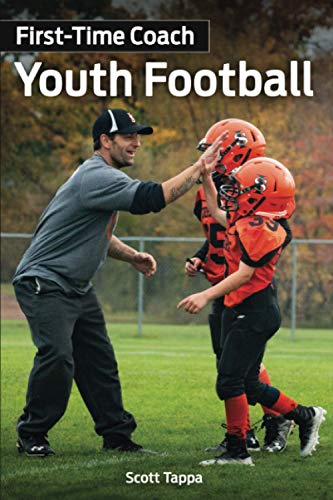
For parents starting on the journey of coaching their child’s youth football team, “Youth Football Coaching Resources” stands out as an invaluable guide tailored specifically for first-time coaches. This resource provides foundational insights and practical tips necessary for effective practice activities and game preparations. The author, drawing from personal experiences, outlines essential coaching strategies while addressing potential challenges a coach might face. Emphasizing basic techniques over complex strategies, it breaks down key aspects like offensive play calling and player alignment, making the information clear and concise. Overall, it’s highly recommended for anyone initiating youth football coaching.
Best For: Parents and individuals new to coaching youth football, seeking essential strategies and guidance.
Pros:
- Provides clear and concise information tailored for first-time coaches.
- Shares personal experiences to illustrate effective coaching strategies.
- Focuses on fundamental techniques, making it accessible for beginners.
Cons:
- May not cover advanced strategies for seasoned coaches.
- Limited depth on specific plays or complex game scenarios.
- Primarily focuses on youth football, which may not translate to other age levels or formats.
Youth Football Skills & Drills
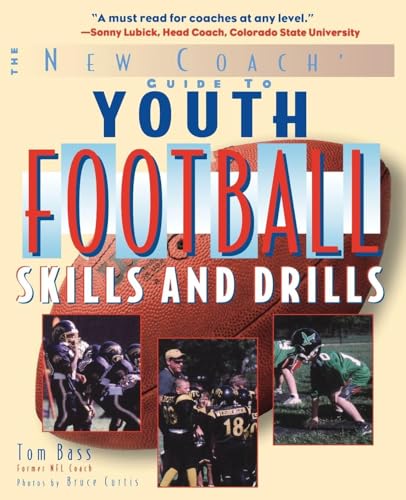
Youth Football Skills & Drills serves as an invaluable resource specifically tailored for novice coaches who lack prior football experience. This book thoroughly covers fundamental skills for each position and offers practical skill-building drills, emphasizing hands-on application rather than theoretical discussions. Coaches seeking fresh ideas will find it particularly useful in organizing practices and managing time effectively. The work has garnered positive feedback from coaches of 4th, 5th, and 6th graders, who report structured sessions leading to skill advancement. While some view the content as basic, its clear layout and accessibility make it an essential tool for developing youth football coaching abilities.
Best For: Youth football coaches, especially those who are new to the sport and seeking foundational skills and drills.
Pros:
- Offers a comprehensive overview of essential skills and specific drills for each position.
- Easy to read with clear examples, making it accessible for novice coaches.
- Positive feedback highlights the structured nature of the practices leading to skill development.
Cons:
- Some users find the content too basic, potentially limiting for more experienced coaches.
- Primarily focused on youth football, which may not cater to all levels of coaching.
- The emphasis on drills over theory might not suit coaches looking for in-depth strategic insights.
Dominating Tackle Football: Coaching Youth Tackle Football

Understanding the complexities of youth tackle football can greatly enhance a coach’s effectiveness on the field, particularly for those who are new to the sport. With ten years of coaching experience, you might find success isn’t just about luck or skilled athletes; it’s rooted in a solid grasp of football fundamentals and strategic play design. A highly recommended resource, a book with over 300 pages, provides detailed plays and strategies essential for youth coaches. Its extensive content and accompanying course are valuable for all levels, including parent and junior varsity coaches, helping to avoid common mistakes in coaching practices and enhancing overall performance.
Best For: This book is best for youth football coaches, parent coaches, and junior varsity coaches seeking to improve their understanding of football fundamentals and strategies.
Pros:
- Provides extensive knowledge on offensive and defensive strategies, enhancing coaching effectiveness.
- Includes detailed plays and illustrations, making complex concepts easier to understand.
- Accompanied by an in-depth football course that further develops coaching skills.
Cons:
- The price of $80 may be considered high for some coaches on a budget.
- The extensive content may feel overwhelming for novice coaches just starting out.
- Requires time and commitment to fully absorb and implement the strategies and plays.
Survival Guide for Coaching Youth Football
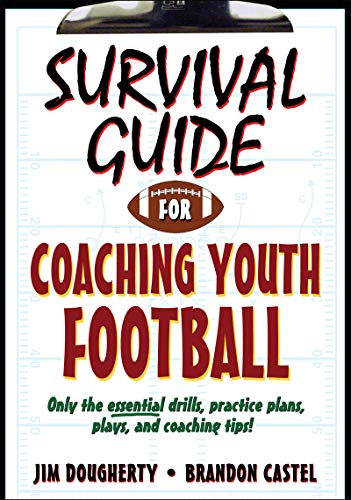
Coaching youth football effectively requires a solid foundation in both the sport’s fundamentals and the unique needs of younger athletes; consequently, the “Youth Football Coaching Resources” is an ideal choice for new coaches seeking to develop their skills. This guide assists coaches shifting from high school to younger levels, emphasizing tailored strategies that accommodate the specific goals of young athletes. It provides organized practice outlines categorized by position, with ten drills per position suited for varying skill levels. While primarily focused on tackle football, its all-encompassing approach is invaluable for first-time coaches to enhance their understanding of the game.
Best For: First-time youth football coaches looking to enhance their skills and understanding of coaching younger athletes.
Pros:
- Provides organized practice outlines and drills tailored to different skill levels.
- Offers comprehensive guidance for transitioning coaches from high school to youth levels.
- Encourages confidence in new coaches through detailed explanations of fundamentals and strategies.
Cons:
- The extensive length of the book may overwhelm some readers with information.
- Primarily focused on tackle football, with limited resources for flag football adaptations.
- May not cater to experienced coaches seeking advanced strategies or techniques.
USA Football Youth Coaching Handbook
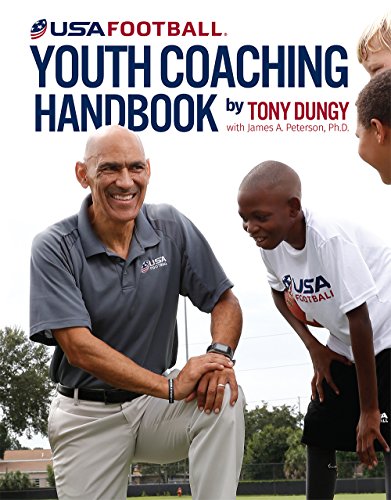
For coaches seeking a reliable guide to enhance their understanding of football fundamentals, the USA Football Youth Coaching Handbook stands out as an invaluable resource. This handbook offers extensive coverage of essential coaching aspects, including drills, strategies, and effective leadership practices. Its well-organized content guarantees easy navigation, making it accessible for part-time coaches. Additionally, the handbook places significant emphasis on player safety, featuring techniques designed to reduce head contact during practices and games. Highly rated by readers for its straightforward approach, it serves as a critical addition to your coaching library, supporting both current and future youth football coaches in their development efforts.
Best For: Youth football coaches looking for a comprehensive guide to improve their coaching skills and understanding of the game.
Pros:
- Well-organized content that makes it easy for part-time coaches to follow.
- Emphasizes player safety with techniques to reduce head contact.
- Highly rated by readers for its straightforward and functional approach.
Cons:
- May not cover advanced strategies that experienced coaches seek.
- Primarily focused on youth coaching, which may limit application for higher levels of play.
- Some readers may find certain sections lacking in depth or detail.
Sports Unlimited Youth Triple Wrist Coach Wristbands
Sale


Sports Unlimited Youth Triple Wrist Coach, Football Wristbands for Plays, Baseball Wristbands, QB...
- PACK OF 10 - Youth football play wristbands can be used for other sports like baseball and softball
- THREE VIEWING WINDOWS - Keep all your plays close by in these football/baseball wristbands sports
- COMPRESSION FIT - Quarterback play wristband is so comfortable and won't slip that you'll barely notice it's there!
The Sports Unlimited Youth Triple Wrist Coach Wristbands stand out as an essential tool for young athletes engaged in football, baseball, and softball, providing them with a structured method for managing play calls. Each pack includes ten wristbands, ensuring that multiple players can benefit from this resource. The wristbands feature three viewing windows, allowing coaches and players to easily access plays during games. With a comfortable compression fit, they won’t slip during play, enhancing stability and focus. Measuring 14 cm by 8.6 cm, each wristband is designed for usability, making them ideal for effective play management across multiple sports.
Best For: Young athletes participating in football, baseball, and softball who need an efficient way to manage their play calls during games.
Pros:
- Provides three viewing windows for quick access to plays.
- Compression fit ensures comfort and stability during athletic activities.
- Pack of 10 wristbands allows multiple players to utilize effective play management.
Cons:
- Limited size options may not fit older or larger athletes comfortably.
- Potential for wear and tear with frequent use in competitive settings.
- Reliance on wristbands might reduce players’ ability to memorize plays independently.
Best Youth Football Plays: The Playbook for Winning Youth Football Teams
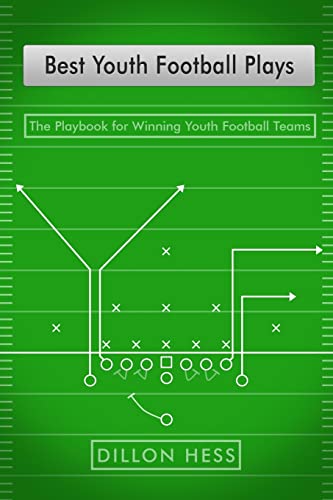
With a diverse range of plays suitable for various age groups, the “Best Youth Football Plays: The Playbook for Winning Youth Football Teams” serves as an essential resource for novice coaches and young players alike. This extensive playbook offers a large assortment of high-quality plays, blending basic strategies for younger participants with more complex options for older kids. Its clear, educational format helps first-time coaches understand terminology and techniques. While some users noted the absence of 10-10 plays, many found that existing plays can be easily modified to meet specific needs, contributing to its adaptability. User feedback emphasizes the clarity and effectiveness of the strategies presented.
Best For: Coaches and young players who are new to football and looking for a comprehensive resource to improve their understanding and gameplay.
Pros:
- Offers a wide variety of high-quality plays, suitable for different age and skill levels.
- Serves as an effective educational tool, making it easy for first-time coaches and young players to grasp concepts.
- Positive user feedback highlights the clarity and unique nature of many plays, enhancing coaching strategies.
Cons:
- Some users criticized the absence of 10-10 plays for younger children.
- There are concerns about the binding quality, with some reports of pages falling out.
- While many plays are adaptable, not all plays may suit every team’s specific requirements without modification.
Coaching Youth Football
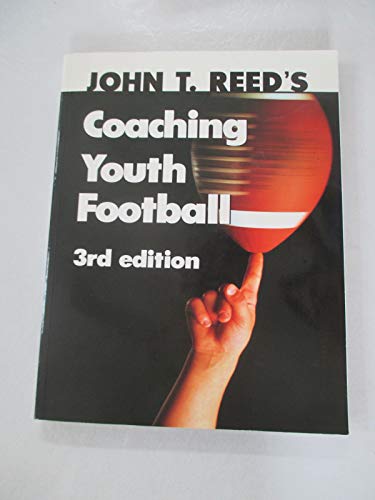
Coaching Youth Football
- Used Book in Good Condition
Coaching youth football offers a unique opportunity for individuals looking to cultivate young athletes while fostering teamwork and personal growth. Many coaches, even those with limited experience, can see significant improvements in their teams. By prioritizing youth development over solely winning, you may encourage player engagement. Utilizing practical methods, such as Reed’s non-traditional drills or the GAP defense, can enhance competitiveness in challenging situations. Although mixed reviews exist regarding Reed’s work, his engaging style and practical advice resonate with many, making it a recommended resource. This approach could be pivotal for coaches aiming to enhance youth football enjoyment and participation.
Best For: Youth football coaches looking to improve player engagement and foster team development through practical methods.
Pros:
- Emphasizes youth development, promoting a positive experience over just winning games.
- Engaging and practical advice found in Reed’s work resonates well with coaches at all experience levels.
- Non-traditional drills and strategies, like the GAP defense, help maintain competitiveness even with limited resources.
Cons:
- Mixed reviews from some coaches who find Reed’s terminology and concepts confusing and convoluted.
- Critics suggest that some methods lack foundational theory, which may be problematic for understanding.
- Perceived as self-promoting by some, leading to skepticism regarding the validity of the advice provided.
Best Football Drills: The Drill Book for Winning Football Teams

For youth football coaches seeking effective training tools, “Best Football Drills: The Drill Book for Winning Football Teams” stands out as an exceptional resource. This extensive guide is praised for its quality and utility, catering to coaches and players of all skill levels. The drills are categorized for convenient navigation, enabling you to easily locate activities for each positional group. Players enjoy the drills, often requesting to practice them repeatedly, which fosters engagement and enhances their skill development. While some overlap in drills exists, the book remains a valuable asset for driving improvement in team performance during practices.
Best For: Youth football coaches seeking effective and engaging drills to enhance team skills and performance.
Pros:
- Offers a wide variety of drills for all skill levels, making it suitable for both beginner and experienced coaches.
- Easy to navigate with categorized drills that can be quickly located for specific positional needs.
- Engages players effectively, leading to increased enthusiasm and participation during practices.
Cons:
- Some drills are duplicated, which may limit the variety of unique skills taught.
- Could benefit from additional unique exercises to further diversify training options.
- May not cover advanced strategies for higher-level coaching, limiting its application to more experienced teams.
Factors to Consider When Choosing Youth Football Coaching

When choosing youth football coaching, consider the coach’s experience and background as foundational credentials that influence a child’s development. Clear communication skills are vital for effectively conveying strategies and techniques, while a solid understanding of fundamentals guarantees players grasp the basics of the game. Additionally, engaging practice drills and the ability to adapt to varying skill levels enhance the overall coaching experience, making these factors critical in your selection process.
Coaching Experience and Background
Selecting the right youth football coach involves evaluating their experience and background, as these factors substantially influence coaching effectiveness. Seasoned coaches typically possess a deeper understanding of football strategies and player development, which is essential for young athletes. Knowledge of football fundamentals enables coaches to create structured practices that effectively teach important skills and techniques. Additionally, understanding the specific age group being coached is key; younger players often need distinct motivational strategies compared to older participants. Coaches with prior playing experience may have an edge in teaching skills, while beginner coaches can succeed by utilizing educational resources. Continuous learning is equally important, as coaches must adapt practices based on their players’ developmental needs throughout the season.
Clear Communication Skills
Effective communication skills are vital for youth football coaches, as they directly impact players’ understanding of strategies, drill instructions, and expectations during practices and games. Coaches should utilize simple language and age-appropriate explanations to guarantee that young athletes grasp key concepts, enhancing their learning and application of skills. Consistent feedback, combined with positive reinforcement delivered clearly, can greatly boost players’ confidence and motivation, encouraging them to embrace challenges. Active listening is imperative for understanding players’ perspectives, fostering a supportive environment that values their input while enhancing team cohesion. Additionally, effective communication should incorporate visual aids, demonstrations, and written materials, which further improve comprehension and retention of football fundamentals, ultimately benefiting player development on the field.
Understanding of Fundamentals
A thorough understanding of football fundamentals is essential for youth coaches dedicated to developing young athletes’ skills and knowledge of the game. Coaches must grasp techniques, strategies, and player roles to effectively impart these concepts. Focusing on basic skills like passing, catching, blocking, and tackling allows youth players to master significant techniques before moving to advanced strategies. In addition, familiarity with specific drills targeting these fundamental skills plays a significant role in enhancing overall team performance. Moreover, prioritizing player safety is vital; coaches should stay updated on the latest techniques to minimize injury risks. Tailoring practices to skill-building not only fosters comprehension but also nurtures a genuine love for the game among young players, paving the way for their growth.
Engaging Practice Drills
Engaging practice drills play an essential role in developing young athletes’ skills and sustaining their interest in football, especially when they focus on fundamental techniques pertinent to each player’s position. Drills should provide a supportive environment for skill refinement and allow for variations, such as contact and no-contact options, enhancing player versatility while ensuring safety. Incorporating game-like scenarios fosters teamwork and communication, vital for effective team dynamics. Further, a blend of speed, agility, and footwork drills infuses energy into practices, increasing player enthusiasm and participation. Actively seeking player feedback on these drills can cultivate a sense of ownership and motivation, ultimately making practice sessions more enjoyable and effective, significant for long-term skill development and retention in youth football.
Adaptability to Skill Levels
When selecting coaching resources for youth football, it is crucial to reflect on the diverse skill levels present within your team. Look for materials that offer a range of drills catering to beginners, intermediates, and advanced players. Such resources facilitate organized practices, allowing you to tailor each session to the varying capabilities of your athletes. Prioritizing basic techniques over complex strategies helps younger players develop a solid foundation, critical for their long-term growth. Additionally, adaptability in your coaching practices, including modifying plays based on players’ understanding, can greatly enhance engagement and skill retention. Ultimately, resources that promote versatile practice methods will enable you to manage mixed-skill teams effectively, ensuring every athlete faces suitable challenges and receives ample support.
Focus on Player Development
Focusing on player development considerably influences the effectiveness of youth football coaching methods. By prioritizing development over winning, you cultivate a positive learning environment where young athletes can enhance their skills while enjoying the game. Age-appropriate drills play a significant role, contributing to the gradual growth of fundamental techniques essential for advanced play. Encouraging teamwork and sportsmanship during practice fosters social skills and promotes collaboration among players. Constructive feedback is essential; it boosts player confidence and motivation, ensuring sustained engagement in the sport. Additionally, establishing individual skill assessments allows you to tailor coaching approaches to each player’s strengths and areas for improvement, ultimately enhancing the overall performance of the team. Focus on development, and the results will follow.
Emphasis on Safety Measures
A serious commitment to safety measures is essential when choosing youth football coaching. Prioritizing safety can considerably reduce the risk of injury, particularly through techniques that limit head contact during play. Coaches should implement thorough safety training, educating players on proper tackling techniques and the critical importance of wearing appropriate protective gear. Establishing a pre-practice and pre-game screening process helps identify any physical conditions or prior injuries that could jeopardize safety. Regularly reviewing and updating emergency action plans guarantees all staff are prepared to handle injury scenarios effectively. Additionally, maintaining manageable player-to-coach ratios allows for closer supervision and individualized attention, enhancing player safety during practices and games. Emphasizing these safety measures is imperative for fostering a secure playing environment.
Resources for Further Learning
Choosing the right resources for youth football coaching is essential for developing effective teaching methods and ensuring players receive quality instruction. Prioritize materials that provide clear explanations of fundamental football principles tailored for youth. Look for books that emphasize practical application, featuring drills and team-building strategies to enhance player skills during practices. Additionally, consider resources that focus on managing young athletes’ needs, emphasizing safety and development over winning. Seek out materials with positive feedback from experienced coaches, indicating clarity and usability. Your chosen resources should cover various information, including offensive and defensive strategies, along with organizational aspects of practice sessions. This all-encompassing approach enables you to provide a well-rounded coaching experience, fostering growth and skill development in young athletes.
Frequently Asked Questions
What Age Group Should I Start Coaching Youth Football?
You should start coaching youth football at around ages 6 to 8. This age group allows you to introduce fundamental skills, such as passing, dribbling, and teamwork, in a supportive environment. According to the American Youth Soccer Organization, early coaching fosters a love for the game while developing essential motor skills. Engaging with players at this stage facilitates cognitive and physical growth, establishing a foundation for their future football development and teamwork capabilities.
How Do I Handle Parental Concerns About Playing Time?
To handle parental concerns about playing time, establish open communication early in the season. Clearly explain your coaching philosophy, focusing on skill development and teamwork. Regularly update parents on their child’s progress, emphasizing that playing time is earned through effort and improvement. As former NFL coach Tony Dungy said, “It’s about growth.” Encourage parents to support their children and understand the broader goals of fostering a positive team environment.
What Level of Experience Do I Need to Coach Youth Football?
You don’t need extensive experience to coach youth football, but foundational knowledge of the game’s rules, strategies, and development principles is essential. Many successful youth coaches have a background in playing or have completed coaching clinics offered by governing bodies like USA Football. Certification programs enhance your understanding of coaching young athletes effectively. Additionally, strong communication skills and the ability to foster teamwork play critical roles in the coaching process.
How Can I Encourage Teamwork Among Young Players?
To encourage teamwork among young players, you should implement collaborative drills that require communication and coordination. For instance, small-sided games foster an environment where players depend on one another. Encourage them to set collective goals, enhancing their sense of unity. Can you imagine the impact of promoting shared victories? Additionally, providing positive reinforcement for teamwork helps solidify these behaviors. By integrating such strategies, you’ll cultivate a culture that emphasizes collaboration and collective success.
What Are Effective Methods for Communicating With Young Athletes?
To communicate effectively with young athletes, use clear, concise language and simple instructions that guarantee understanding. Maintain eye contact to foster connection and engage them personally. Incorporate frequent feedback, which encourages improvement and boosts confidence. Utilize positive reinforcement to motivate, as research indicates that such strategies enhance performance and learning outcomes. Additionally, incorporate interactive methods, such as demonstrations, which can clarify concepts more effectively than verbal explanations alone, ensuring better comprehension among players.