As an Amazon Associate, we earn from qualifying purchases. Some links on this site are affiliate links at no extra cost to you. Our recommendations are based on thorough research and editorial judgment.


What Are The Benefits Of Flag Football For Young Players?

Flag football provides young players with various benefits, including improved physical fitness and enhanced motor skills through active participation in running and coordination activities. Additionally, it fosters teamwork, communication, and social skills, promoting inclusivity and sportmanship among diverse participants. The sport encourages discipline and a solid work ethic, as structured practices develop time management and resilience. As flag football adoption grows, including a 30% increase in female players, families can find enriching opportunities that extend beyond the field. More insights follow.
Key Takeaways
- Flag football enhances cardiovascular health and promotes physical fitness through active running and movement.
- It fosters teamwork and social skills, encouraging communication and cooperation among players.
- The sport develops discipline, time management, and a strong work ethic through structured practice sessions.
- Flag football is inclusive and accessible, with growing participation among diverse youth populations.
- Players experience skill development, strategic thinking, and leadership opportunities within a team environment.
Physical Health and Fitness Benefits
While participating in flag football, young players can experience a range of physical health and fitness benefits that contribute greatly to their overall well-being. The sport emphasizes continuous running and rapid directional changes, notably enhancing cardiovascular endurance and overall heart health. As children engage in this fast-paced activity, they develop greater stamina and lower the risk of childhood obesity. Additionally, flag football fosters the advancement of motor skills through essential actions such as catching, throwing, and flag pulling, improving hand-eye coordination, agility, and balance. These improvements in both cardiovascular health and motor skills provide a solid foundation for long-term fitness, encouraging young athletes to maintain active lifestyles and cultivate healthy habits that may benefit them in future sports endeavors. Moreover, the high-contrast visibility of down markers used in games enhances the overall gameplay experience for young players.
Development of Teamwork and Social Skills

As young players develop their physical health and fitness through flag football, they simultaneously cultivate valuable teamwork and social skills that benefit their personal growth. This sport emphasizes team dynamics, requiring constant collaboration among teammates to achieve common goals. Players enhance their communication abilities, which are essential for coordinating plays and fostering encouragement. By understanding each participant’s role, trust and cooperative decision-making flourish, while conflict resolution scenarios enhance interpersonal relationships. Additionally, leadership opportunities during games allow players to strengthen their sense of responsibility. Exposure to diverse backgrounds promotes inclusivity and cultural understanding, further enriching their social interactions. Ultimately, flag football serves as a robust foundation for critical life skills, translating beyond the field into everyday situations. Furthermore, engaging in activities that prioritize player safety in coaching helps ensure a positive and supportive environment during gameplay.
Discipline and Work Ethic Formation
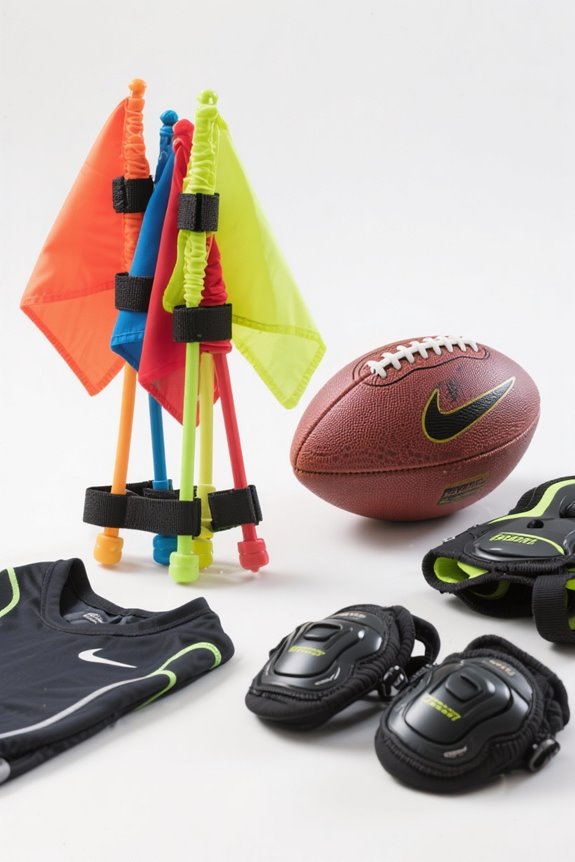
Discipline and work ethic formation play an essential role in the development of young players participating in flag football, as the sport inherently demands a structured approach to practice and commitment. Establishing routine building through regular practice schedules encourages time management and accountability among players. They learn to respect teammates, coaches, and rules, fostering self-discipline as they prepare for games and understand their roles within the team. Skill mastery is prioritized through repetitive drills, reinforcing the need for effort and dedication. Players also learn to self-motivate and manage emotions during high-pressure situations, equipping them with resilience and perseverance. Ultimately, these experiences cultivate a strong work ethic, contributing positively to their growth, both on and off the field. Engaging in team sports like flag football also promotes key considerations for selecting sets, as players become familiar with essential equipment and teamwork dynamics.
Safety and Injury Considerations

Engaging in flag football, while promoting teamwork and athleticism, does raise pertinent safety and injury considerations that warrant careful examination. Research indicates that flag football has an injury rate of 5.77 per 1,000 exposures, significantly higher than tackle football. Concussion rates also reflect a concerning trend, with 1.33 per 1,000 exposures for flag football. The most prevalent injuries include contusions, sprains, and trauma, particularly affecting the head and face. Given the nature of these injuries, effective injury awareness and the implementation of rigorous safety protocols are essential for safeguarding young players. Additionally, modifications in equipment design, including flag attachments, can further reduce injury risks, emphasizing the importance of continuous assessment of safety measures in youth flag football. This includes choosing high-quality materials for equipment that can enhance durability and reduce risks associated with wear and moisture during play.
Accessibility and Growth in Youth Participation
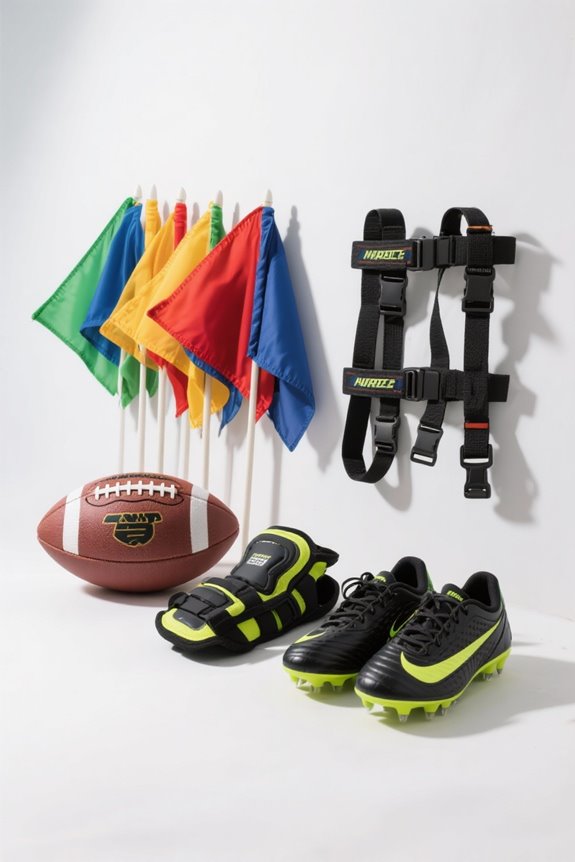
Flag football has emerged as one of the fastest-growing youth sports in the United States, with participation rates increasing from 2.2 million in 2022 to 2.3 million in 2023 among children aged 7 to 17 years. This surge is driven by significant growth in female participation, which rose by 30% to 547,000, illustrating enhanced gender inclusivity within the sport. Over 2,000 U.S. schools have integrated flag football into their programs, with 12 states sanctioning it as a varsity sport, increasing official opportunities. Additionally, community leagues and pilot programs promote local accessibility, enabling diverse populations to engage. The accessibility of flag football, with reduced physical risks and costs compared to tackle football, fosters broader participation among young athletes. Furthermore, the use of safe training equipment can further enhance skill development and confidence among players.
Long-Term Benefits and Life Skills
Participation in flag football offers young players substantial long-term benefits that extend beyond the field, fostering critical life skills and promoting overall development. The sport encourages cognitive development through rapid decision-making and adaptability, enhancing players’ football IQ and spatial awareness. These skills, developed in a non-physical environment, translate to improved emotional resilience, equipping athletes to handle competitive pressures and setbacks effectively. In addition, flag football emphasizes teamwork and communication, cultivating essential social skills that contribute to leadership in various life contexts. Moreover, the absence of physical tackles minimizes injury risk, thereby encouraging lifelong participation in sports. Ultimately, the holistic approach of flag football supports the growth of versatile athletes while instilling habits beneficial for personal and professional success. Additionally, incorporating elements from strength training for football can further enhance young athletes’ performance and resilience on the field.
The Role of Coaches and Support Systems
Coaches play a vital role in the development of young flag football players, not only by imparting technical skills and strategies but also by fostering an environment conducive to personal growth and teamwork. Effective coaching strategies involve punctuality, clear communication with parents, and active engagement to build trust and accountability. Coaches emphasize safety, reinforcing that flag football is a non-contact sport, while also managing player waivers and contact information. To enhance player engagement, practices should incorporate dynamic, age-appropriate drills that prioritize skill development through techniques such as agility ladder exercises and multi-station setups. Additionally, providing a supportive atmosphere encourages learning, boosts confidence, and helps maintain player motivation, ultimately creating a well-rounded experience in youth sports. Moreover, incorporating high-quality materials, such as durable flag football sets, can enhance the overall gameplay experience for young athletes.
Frequently Asked Questions
What Age Is Best to Start Playing Flag Football?
Like a seed seeking sunlight, children ideally begin playing flag football around ages 5 to 7, fostering youth involvement and enabling essential skill development. Such early engagement nurtures coordination, teamwork, and a love for the game.
How Often Are Practices Typically Scheduled for Young Players?
Practices for young athletes are typically scheduled 1-2 times per week. This practice frequency balances skill development with personal commitments, ensuring engaging sessions that prevent burnout while allowing adequate rest and recovery in early stages.
What Equipment Is Needed for Flag Football?
Essential equipment for flag football includes a flag belt, mouthguard, pocketless shorts, team jerseys, and non-metal cleats. Safety gear is minimal due to non-contact rules, emphasizing the importance of flag types for effective play.
Are There Tournaments or Leagues for Young Flag Football Teams?
Youth leagues for flag football often organize tournaments, providing competitive opportunities for young players. These events foster skill development and teamwork while making the sport accessible to children of various ages and abilities.
How Does Flag Football Differ From Tackle Football for Beginners?
Flag football rules simplify the game, omitting contact to guarantee tackle football safety. Beginners enjoy a less intimidating environment, ironically embracing a sport traditionally known for its aggressiveness while learning essential skills without the bruises.


