As an Amazon Associate, we earn from qualifying purchases. Some links on this site are affiliate links at no extra cost to you. Our recommendations are based on thorough research and editorial judgment.

What Is The Difference Between Man-To-Man And Zone Coverage?

Man-to-man coverage assigns defenders to specific offensive players, requiring them to maintain tight, responsive coverage throughout the play. In contrast, zone coverage allocates defenders to designated areas, emphasizing teamwork and anticipation of offensive strategies. This fundamental difference reflects individual versus collective responsibility in defensive roles. Each strategy has its unique advantages in addressing offensive threats. Understanding these distinctions offers insights into how teams can effectively manage their defensive schemes, paving the way for deeper exploration of coverage strategies.
Key Takeaways
- Man-to-man coverage assigns defenders to specific offensive players, emphasizing individual technique and accountability throughout the play.
- Zone coverage assigns defenders to specific areas of the field, requiring effective communication and collective awareness among team members.
- In man coverage, defenders closely track and mirror their assigned offensive players to disrupt routes and timing.
- Zone coverage allows defenders to focus on regions, making it essential to adapt to varied offensive strategies and route combinations.
- Man coverage provides clarity in assignments, while zone coverage offers strategic flexibility and reduces mismatches by emphasizing space management.
Definition of Man-to-Man Coverage
Man-to-man coverage is a defensive strategy employed in football, wherein each defensive player is assigned a specific offensive player to track throughout the entirety of a play. This approach relies on several key concepts, including tight coverage, pressing techniques, and responsive adjustments to the offensive movement. Defenders maintain close proximity to their assigned receivers, disrupting routes and limiting separation at the line of scrimmage. The strategic implications of this coverage style permit teams to effectively neutralize key offensive threats by applying aggressive techniques. However, it requires high levels of communication among defenders to manage switches and cover potential screens or picks. Overall, successful man-to-man coverage demands a combination of skill, agility, and tactical awareness to handle varied offensive schemes. Additionally, incorporating strength training exercises into conditioning programs can enhance defenders’ physical capabilities for improved performance in man-to-man coverage situations.
Definition of Zone Coverage
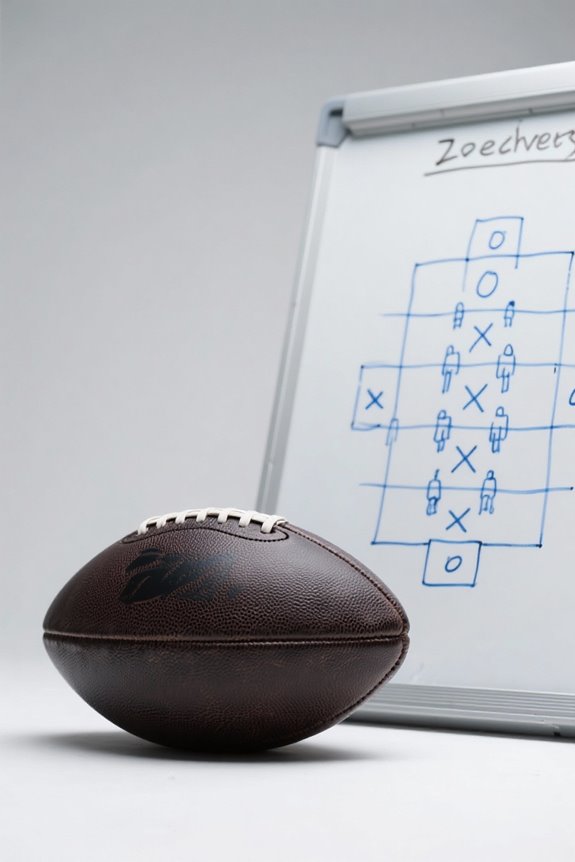
Zone coverage is a fundamental defensive strategy in football that assigns each player specific areas of responsibility on the field, allowing defenders to protect designated zones rather than individual offensive players. In zone coverage, player positioning is essential, as defenders must understand both their assigned zones and the offensive alignment. Each defender is responsible for recognizing threats originating from the offense’s formation and anticipating route combinations that occur within their zone. Techniques such as deep zone play and underneath zone play aid defenders in effectively managing their areas while maintaining spatial awareness. This approach offers advantages, including simplified assignments and reduced mismatches, although it also requires strong communication to handle complex offensive strategies effectively. Additionally, cutters football gloves can enhance a defender’s grip when engaging with offensive players for better control and performance.
Key Tactical Differences Between the Two
Effective defensive strategies in football necessitate a clear understanding of the tactical differences between man-to-man and zone coverage. Man coverage requires defenders to shadow individual receivers, emphasizing reaction and agility, as they must respond directly to route changes. Conversely, zone coverage allows defenders to concentrate on specific areas and anticipate plays by observing the quarterback’s movements. This demands high communication and coordination, as players must effectively manage the handoff of receivers crossing zones. In addition, tactical flexibility is essential in both coverage schemes, with defenses adjusting assignments based on formations and offensive strategies. Ultimately, man coverage emphasizes individual technique, while zone coverage focuses more on collective awareness and responsibilities to maintain effective defense. Additionally, utilizing better equipment such as high-density foam training tools can enhance players’ skills in executing these defensive strategies.
Recommended Products

GREAT FOR ANY LEVEL: These tackling dummies for football help Adult and Youth players develop the proper tackling techniques.

HOLDS WOODEN & RUBBER TEES: The Super Tee is built with taller, denser Nylon turf that replicates real tee-box conditions, so you can plant a wooden tee or use a rubber tee for true-to-course driver and long-iron reps.

VERSATILE TACKLING DUMMY - Durable Tackling Dummy for Football, Basketball, Kickboxing, Martial Arts, and More
Individual vs. Collective Responsibility
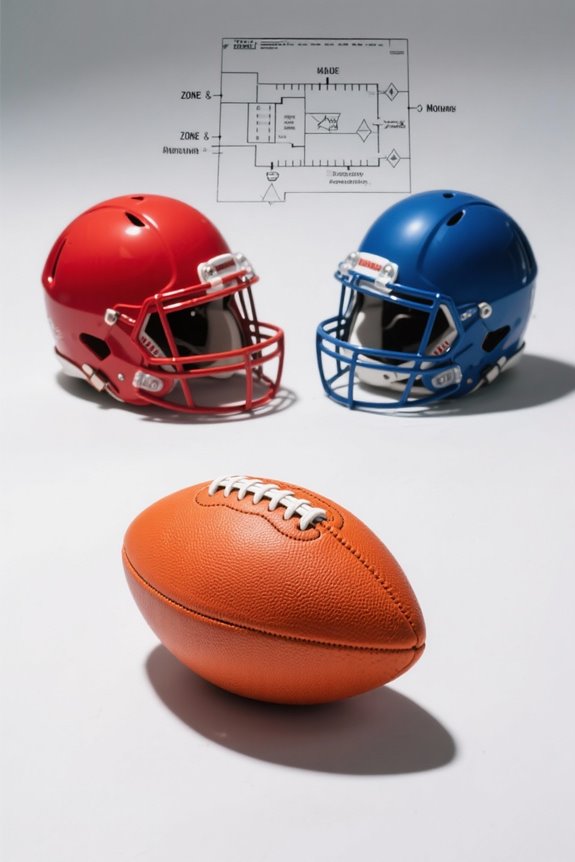
In defensive football strategies, the contrasting approaches of individual and collective responsibility highlight key distinctions in player roles and expectations. Man-to-man coverage emphasizes individual techniques, where each defender is tasked with closely following a specific offensive player; this necessitates high levels of skill, stamina, and adaptiveness. Success in this system relies heavily on the individual effort and technical ability of defenders. Conversely, zone coverage focuses on collective responsibility, with players assigned to cover specific areas rather than individual players. Effective communication and synchronization within the team dynamics are vital, enabling defenders to cover zones efficiently while managing offensive threats. These differing focuses fundamentally shape player development, evaluation metrics, and overall team performance in defensive scenarios across the field. Additionally, understanding defensive strategies can enhance a team’s effectiveness in both coverage types.
Common Variations of Zone Coverage

When discussing coverage strategies in football, understanding the various forms of zone coverage is imperative for grasping defensive methodologies. Zone coverage variations include Cover 2, which utilizes two deep safeties to split the field, and Cover 3, where three defensive backs divide responsibility into thirds. Another notable variation is Tampa 2, a hybrid that adds a middle linebacker, enhancing deep coverage. Additionally, cloud and sky coverage allow for flexible coverage schemes that can confuse quarterbacks by alternating the roles of corners and safeties. Finally, match zone coverage combines zone and man principles, adjusting responsively to offensive routes. These diverse zone coverage variations each provide strategic advantages and vulnerabilities, allowing defenses to adapt to different offensive threats effectively. Understanding best youth football plays can further assist young athletes in comprehending these essential strategies.
Identifying Man Coverage in Action
Man coverage, a fundamental defensive strategy in football, requires defenders to take direct responsibility for opposing players, fundamentally shifting the dynamics of defensive engagements on the field. Each defender, whether a defensive back or linebacker, is assigned a specific offensive player pre-snap, focusing solely on that individual during the play. Man coverage techniques often involve closely mirroring receivers, with defenders employing press alignments to disrupt initial routes. Effective defenders demonstrate strong eye discipline, focusing on their assigned players and employing hand usage to impede movements. Furthermore, defenders’ communication is essential, particularly when offensive players cross routes, to avoid mix-ups and guarantee precise assignments. This strategy, while effective against timing routes, can be vulnerable to tactics like screens and pick plays. Additionally, utilizing high-impact protection, such as XTECH X2 football shoulder pads, can enhance a defender’s safety and performance on the field.
Identifying Zone Coverage in Action
Zone coverage, a strategic defensive approach in football, requires defenders to focus on predefined areas of the field rather than individual offensive players. During post-snap defensive alignment, defenders drop into pre-assigned zones, often standing in “inside shade” positions. This positioning indicates a departure from man-to-man coverage, as defenders do not track specific players. Observing defenders who do not follow receivers entering from motion can suggest zone coverage. Additionally, defensive backs often maintain a “soft” alignment rather than tightly mirroring receivers. Key visual cues, such as the spacing of linebackers and safeties, can help identify common zone formations like Cover 2, Cover 3, and Tampa 2, all of which showcase specific responsibilities within these zones. Incorporating strategies from quarterback training nets can enhance a quarterback’s decision-making skills while identifying defensive formations.
Exploiting Man Coverage: Offensive Strategies
Exploiting man coverage requires specific offensive strategies aimed at creating advantageous matchups for receivers against defenders. Offensive teams often utilize unique route concepts, such as pick routes, which create natural collisions among defenders, allowing receivers to gain separation. Double move routes, like slant-and-go, effectively deceive defenders, taking advantage of their quick reactions. Formation strategies, including bunch formations, further complicate man coverage by causing confusion among defenders. Individual receiver techniques, such as maintaining eye contact on a defender’s hips and using effective footwork, enhance the chance of separation. Additionally, employing quick release passing and timing routes helps quarterbacks to attack effectively, ensuring that passes reach moving receivers before defenders can react. Such strategies optimize offensive performance against man coverage, especially when using quarterback wristbands to improve communication and play calling.
Recommended Products

Exploiting Zone Coverage: Offensive Strategies
Offensive strategies in football must adapt to the specific challenges presented by zone coverage, which creates unique opportunities when exploited effectively. Traditional zone coverages, such as Cover 2 and Cover 3, often leave defensive communication gaps, particularly in the middle of the field and between defensive backs. Teams can utilize specific route combinations, like high-low routes and crossing patterns, to capitalize on these vulnerabilities. Exploiting misdirection and pre-snap motion confuses defenders, leading to potential traffic jams, which grant receivers a clear path for separation. In addition, targeted alignment of receivers aids in stopping defenders from recognizing their coverage responsibilities, allowing offenses to exploit weaknesses effectively. This strategic approach requires precise timing and well-designed formations to maximize offensive potential against zone coverages, especially while leveraging target pocket design to improve receiver positioning.
Recommended Products

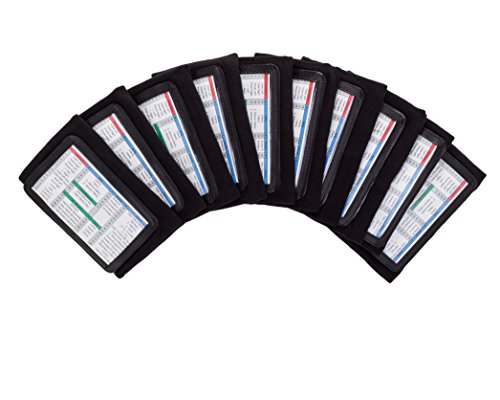
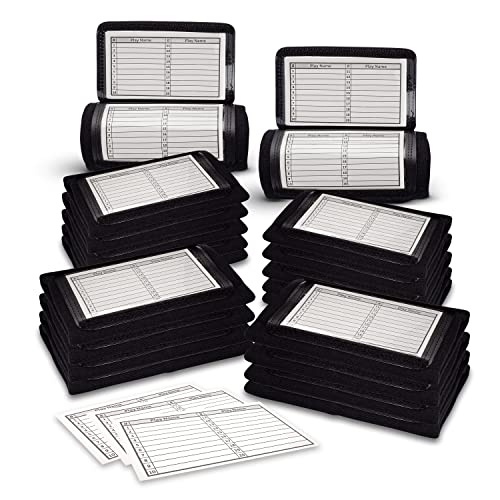
Kit Package: Each football wristband comes with 6 sign cards and 1 pc sticker (192 adhesive dots). Various colors could be affixed to the tactical cards, allowing you to create a unique tactical card for offensive, defensive and running plays.

Product size:Youth wristband measures 3.5 x 6 inches; PVC window measures 2.2 x 4 inches — fits most young athletes comfortably.
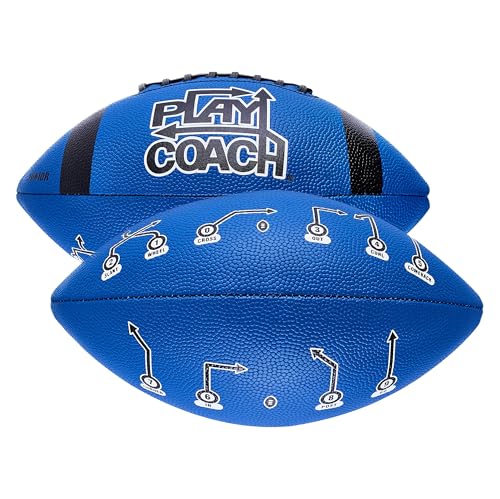
ENDORSED BY DREW BREES - The PlayCoach junior size football with a route tree is endorsed by hall of famer, Drew Brees, giving you the assurance that this junior football is well equipped to help your child learn the fundamentals of the game.
Grading Man Coverage Performance
When evaluating the performance of defenders in man coverage, evaluators must systematically analyze several key techniques and metrics that illuminate a player’s effectiveness on the field. Key coverage evaluation techniques include gauging a defender’s ability to mirror a receiver’s movements and the efficiency of footwork during shifts. Vital man coverage metrics involve measuring completion percentage allowed when targeted, alongside interceptions earned and pass breakups. Additionally, evaluators consider situational factors such as the quality of the opposing receiver and game context. Physical attributes, including speed, strength, and awareness, are essential in grading a player’s ability to maintain tight coverage. By combining these evaluations, all-encompassing performance assessments in man coverage can be established, enhancing understanding and strategy. Furthermore, the player’s overall performance can also be impacted by the durability of protective gear, which plays a crucial role in their physical safety and comfort during games.
Grading Zone Coverage Performance
Effective evaluation of zone coverage performance requires a thorough analysis of several fundamental principles and techniques that dictate a player’s ability to defend specific areas on the field. Zone awareness is essential, as defenders must understand their zone boundaries, recognize offensive formations, and adapt to offensive motions. Technique assessment plays a critical role in positioning and communication; defenders need to maintain discipline when reacting to routes and the quarterback’s intentions. Success in zone coverage relies on clear communication, ensuring all players are aware of their responsibilities and correctly passing off receivers. In addition, effective performance hinges on a defender’s ability to maintain proper leverage and visual focus, facilitating quick reactions to threats, ultimately determining the overall effectiveness of the zone coverage scheme.
Advantages of Man Coverage
Man coverage presents several distinct advantages for defensive teams, primarily characterized by clarity of responsibilities and aggressive disruption potential. One significant benefit of man coverage is the simplicity it provides; defenders have clear one-on-one assignments, enhancing accountability and facilitating efficient communication. This structured approach also aids in training and execution, allowing for focused defensive skill enhancement, as players hone their techniques to counter specific opponents. Additionally, man coverage allows defenders to disrupt offensive timing by applying physicality at the line of scrimmage, effectively impeding receivers’ routes. This aggressive tactic can also free more players to blitz, creating additional pressure on the quarterback. Ultimately, man coverage benefits include improved adaptability and situational awareness, fostering a more dynamic defensive strategy.
Recommended Products

One Bundle, Full Coverage: Shoulder pads, back plate, and wrist coach working together to give skill position players everything they need — protection, breathability, and play management all in one package.

Sole’s wider stud placement with traction offers stability

9mm Hex Pad professional foam padding bonded to a breathable nylon fabric
Advantages of Zone Coverage
Zone coverage, noted for its strategic flexibility, provides defensive teams with the ability to adapt their formations based on offensive alignments and varying route combinations. This system facilitates zone adaptability, allowing defenders to respond effectively to diverse threats, such as quick passes or complex routes. Different zone schemes, like Cover 2 or Tampa 2, enhance defensive flexibility by enabling tailored coverage across the field, thereby limiting the quarterback’s options. Zone defenders maintain awareness of both the quarterback and multiple receivers, improving field vision for anticipating plays. Additionally, this coverage reduces mismatches and vulnerability to pick plays by focusing on spaces rather than individual players, consequently promoting team coordination and reducing blown coverages, ultimately enhancing overall defense performance.
Recommended Products

Material and Size: taking into consideration the football dummy's quality, you'll find it's made of quality PVC sandwich cloth and filled with a high density sponge, ensuring it can withstand intense training; Measuring around 42 x 12 x 6 inches, this step over dummy football presents the ideal size for realistic training

VERSATILE: perfect for football blocking drills and other contact sports technique development
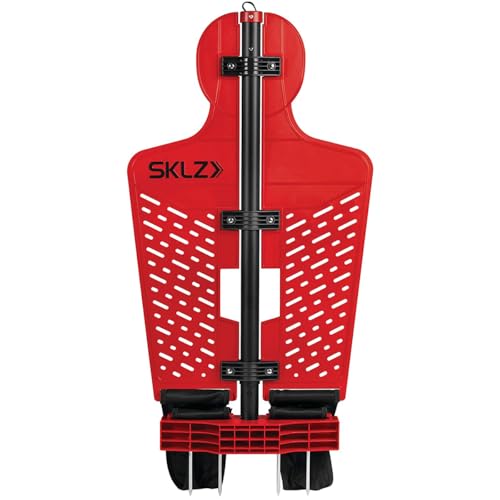
Defender dummy soccer training aid improves passing, dribbling, shooting, and goalkeeping for players of all levels
Blending Man and Zone Coverage Strategies
Blending man and zone coverage strategies incorporates the individual matchup flexibility of man-to-man defense with the broader spatial control characteristic of zone coverage, creating a dynamic defensive framework. This method employs hybrid strategies that assign certain defenders to match up with offensive players while others cover designated areas of the field, thereby enhancing defensive adaptability. Such an approach is essential in maintaining coverage confusion for the quarterback, complicating their ability to predict defensive movements. Commonly utilized schemes like Cover 1 and Cover 2 exhibit this blend, enabling defenders to dynamically shift roles based on offensive formations. High-level communication among players is vital to prevent gaps and guarantee seamless shifts between zones and man assignments, solidifying overall defensive effectiveness.
Frequently Asked Questions
How Does Player Skill Impact Man-To-Man Coverage Effectiveness?
Player skill considerably impacts man-to-man coverage effectiveness, where player agility enhances movement and adaptability, while strong coverage communication among teammates is essential for anticipating offensive strategies and maintaining tight coverage on opposing receivers.
Can Zone Coverage Be Used in Short-Yardage Situations?
In the game of football, it’s not always clear-cut. Zone coverage can enhance short-yardage effectiveness by utilizing zone flexibility, allowing defenders to anticipate plays and quickly react, thereby maintaining control in critical situations near the line of scrimmage.
What Formations Commonly Utilize Man-To-Man Coverage?
Common formations utilizing man-to-man coverage include Nickel and Dime defenses, which effectively match defensive backs against receiver routes. Additionally, Cover 1 and Press Man Coverage are employed for tight end matchups and disrupt timing in passing plays.
How Does the Quarterback Recognize Coverage Type Pre-Snap?
Pre-snap pointers prompt quarterback instincts, providing pivotal perceptions of defensive alignment. Moving receivers, spacing, and defensive posture serve as significant signals, guiding the quarterback’s gauge on coverage type before the ball bursts into play.
Are There Specific Player Positions Better Suited for Zone Coverage?
Linebackers excel in zone coverage due to their responsibilities in shallow areas, while cornerback techniques, emphasizing anticipation and positioning, are essential for effective zone defense. Both roles require strong communication and spatial awareness for ideal performance.


