As an Amazon Associate, we earn from qualifying purchases. Some links on this site are affiliate links at no extra cost to you. Our recommendations are based on thorough research and editorial judgment.


What Is A Prevent Defense And When Should It Be Used?

The prevent defense is a strategic formation in American football, primarily employed to thwart deep passing attempts and secure a lead during critical game moments. It is most effective in the closing minutes when a team enjoys a score margin of ten points or more. This strategy positions defenders deeper on the field, often utilizing five or more defensive backs in zone coverage. Understanding its advantages and risks can enhance strategic deployment in varied game scenarios, providing pivotal insights on effectiveness.
Key Takeaways
- Prevent defense is a strategic tactic in football designed to prevent long passes and explosive plays during critical game moments.
- It is commonly used in the final minutes when a team leads by ten points or more.
- The formation typically features five or more defensive backs positioned deep to limit deep threats while allowing short completions.
- Employing this strategy helps manage the game clock and forces offenses to earn yardage methodically.
- However, it can lead to momentum shifts and increased opportunities for the opposing team if players adopt a passive mindset.
Definition and Purpose of Prevent Defense
In American football, a prevent defense serves as a strategic approach primarily designed to mitigate the risk of long, deep passes, particularly during critical moments of a game when a team seeks to protect a lead. The prevent defense definition encompasses a tactical style aimed at positioning multiple defenders deeper on the field, effectively preventing large yardage gains. The prevent defense purpose is to minimize the chance of explosive plays, allowing some yardage through short completions while safeguarding against touchdowns. This tactic, often described as “bend but not break,” emphasizes consuming clock time and forcing offenses to execute numerous plays, promoting a conservative game management strategy late in contests. Such an approach aims for stability rather than aggressive risks. Proper use of the prevent defense can be enhanced with the right tackle football training tools to ensure defenders are well-prepared for critical situations.
Situations When Prevent Defense Is Employed
Prevent defense is strategically employed in various critical situations throughout a football game, particularly when a team seeks to safeguard its lead. This defensive strategy is often utilized during late game tactics, especially in the final minutes, as a means to prevent the opposing offense from executing immediate scoring plays. Coaches typically call for prevent defense when the opposing team utilizes a hurry-up offense, which accelerates the game’s pace. By positioning defenders deep, the defense limits potential big plays, forcing the offense to maintain shorter, more methodical gains while consuming the clock. Additionally, this approach is especially effective when a team holds a significant score margin, generally ten points or more, helping to maintain control as the game nears its conclusion. This tactic can be further enhanced through practice with high-quality tackle dummies, allowing players to refine their defensive techniques effectively.
Recommended Products

GREAT FOR ANY LEVEL: These tackling dummies for football help Adult and Youth players develop the proper tackling techniques.
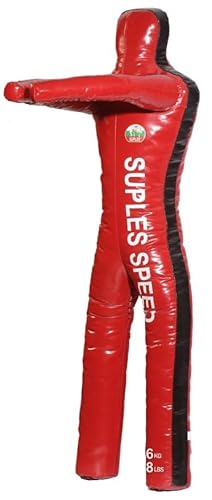
HIGH-SPEED TECHNIQUE TRAINING – The Suples Dummy *Speed (Legs) is designed to help athletes perform up to 3x more throws and techniques per session, improving muscle memory, speed, and technical mastery in both fast and controlled training modes.

Material and Size: taking into consideration the football dummy's quality, you'll find it's made of quality PVC sandwich cloth and filled with a high density sponge, ensuring it can withstand intense training; Measuring around 42 x 12 x 6 inches, this step over dummy football presents the ideal size for realistic training
Key Characteristics of Prevent Defense Strategy
The key characteristics of the prevent defense strategy are defined by several distinct tactical elements that prioritize player positioning and area coverage over individual matchups. Primarily, the defense utilizes five or more defensive backs, focusing on speed while employing zone coverage, which mitigates deep pass threats. Safeties typically align about 20 yards back from the line of scrimmage, while cornerbacks retreat to a safe zone of 5-10 yards off the line. Linebackers often drop back to bolster secondary support. The defensive line, usually in a 4-3 formation, emphasizes pass rushing, mainly to pressure the quarterback. This alignment exemplifies tactical flexibility, allowing teams to maintain leads without conceding significant yardage or allowing game-changing plays. Additionally, effective team drills can further reinforce defensive strategies like the prevent defense, ensuring players are well-prepared during crucial game situations.
Recommended Products

Jugs Football Passing Machine throws precise passes, punts, and kickoffs to any spot on your field.

REALISTIC QUARTERBACK PASSES: Launches accurate spiral footballs at adjustable speeds and trajectories to simulate game-like passing drills for quarterbacks, receivers, defensive backs, and special teams practice.

One Bundle, Full Coverage: Shoulder pads, back plate, and wrist coach working together to give skill position players everything they need — protection, breathability, and play management all in one package.
Advantages of Implementing Prevent Defense
Implementing a prevent defense offers numerous advantages that contribute to a team’s ability to maintain control during essential game situations. This strategy effectively protects against deep, game-changing plays by utilizing multiple defenders in deep zones to limit offenses’ big-play opportunities. By encouraging shorter passes, it also aids in managing the game clock, allowing teams to preserve leads while minimizing turnover risks. The strategic flexibility of this approach simplifies player responsibilities, making it easier to execute under pressure. Additionally, it provides a psychological advantage, signaling a focus on limiting significant gains, which can frustrate opposing offenses. Overall, the prevent defense enhances situational control, preserves energy, and fosters disciplined teamwork during vital late-game moments. Implementing this strategy requires careful consideration of seasonal planning to ensure players are conditioned adequately for late-game scenarios.
Recommended Products

DUAL SIDED BOARD- Our tactic board offers a full sided field for all your coaching needs. Flip it over to utilize the half field side for concentration on offensive or defensive set up of free kicks, corners, or throw ins.

VERSATILE DUMMY FOR SPORTS TRAINING - Step Over Dummy Perfect for Footwork Drills for a Variety of Sports Including Football, Soccer, and More

CONTACT DRILLS: Heavy-duty tackle dummy for safely simulating contact drills for a variety of sports or for martial arts training
Disadvantages and Risks Associated With Prevent Defense
Shifting to a prevent defense, while often perceived as a strategic safeguard, may inadvertently invite risks that can jeopardize a team’s advantage. One significant risk is momentum loss, which can occur when the original aggressive game strategy is abandoned. This shift can provide the opposing team with a psychological boost, encouraging them to execute aggressive plays. Additionally, the prevent defense is susceptible to quick, short plays, allowing offenses to effectively manage the clock and gain yardage. Defensive players may adopt a passive mindset, feeling pressured to avoid mistakes rather than make impactful plays. Consequently, this approach can lead to complacency, increasing the likelihood of blown coverages and missed opportunities, and jeopardizing a previously secure lead. Training rings, which enhance tackling techniques, can be an effective way to improve defensive skills and counteract these risks.
Recommended Products

GREAT FOR ANY LEVEL: These tackling dummies for football help Adult and Youth players develop the proper tackling techniques.

VERSATILE TACKLING DUMMY - Durable Tackling Dummy for Football, Basketball, Kickboxing, Martial Arts, and More

Generous and Well Crafted Packaging: the package includes 24 football championship trophy rings, 24 chokers, and 24 dedicated storage boxes; Carefully crafted and arranged, the winning spirit continues to reverberate after the game is over
Common Misconceptions About Prevent Defense
While many fans and analysts may believe prevent defense is a straightforward strategy focused solely on avoiding big plays, this view reflects a misunderstanding of its nuanced application and objectives. Prevent defense misconceptions often indicate that such strategies only aim to limit long passes, neglecting their role in managing the clock and field position. Additionally, some defensive strategy misinterpretations suggest that utilizing prevent defense concedes defeat or indicates a lack of confidence and planning. This belief undermines the complexity involved in executing prevent coverage, which can be effectively adjusted for various game scenarios. Ultimately, prevent defense is not merely about playing cautiously; it is a thorough approach to reducing risk while still maintaining defensive pressure. Understanding key features of high-quality binders can help coaches and players document their strategies more effectively and enhance their game preparation.
Effective Use of Prevent Defense in Game Scenarios
Effective use of prevent defense in game scenarios occurs when a team seeks to protect a significant lead, especially in the final moments of a game. This late-game strategy is primarily employed through specific defensive formations that aim to thwart long passing plays and conserve game clock. Typically, defensive coordinators utilize a formation with four rushers and seven players in coverage, positioning defensive backs deeper to prevent deep completions. The objective is to concede short gains while maintaining pressure on time management. By keeping ball carriers inbounds, the defense can control the pace of the game. Coaches must judiciously deploy this tactic, considering the opposing offense’s capacity to convert opportunities without risking a comeback that could jeopardize their substantial lead. Additionally, maintaining effective team organization is crucial during this strategy to ensure all players understand their roles and responsibilities.
Recommended Products

INFLATABLE DESIGN: Half the cost of foam step over dummies, with the same functionality & durability; Great for agility training at home or on the field; Pre-weighted with 4 lbs of sand, measures 48 x 18 x 10 inches (LxWxH)

CONTACT DRILLS: Heavy-duty blocking pad for safely simulating contact drills for a variety of sports or for martial arts training
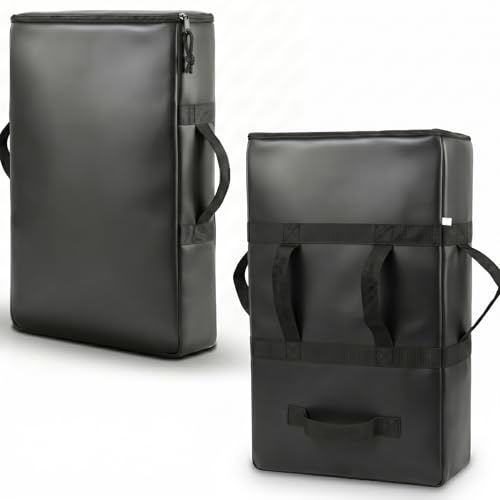
【Durable Waterproof Leather & High-Density Sponge】 Crafted with tear-resistant synthetic leather exterior and high-resilience foam interior. Withstands intense impact while remaining easy to clean with simple wiping. Maintains shape through repeated use.
Frequently Asked Questions
Who Invented the Prevent Defense Strategy in Football?
The prevent defense origins cannot be attributed to a single inventor; instead, it emerged through historical development by various defensive coordinators in American football, adapting to evolving passing offenses and emphasizing conservative late-game strategies.
How Does Prevent Defense Compare to Other Defensive Strategies?
Prevent defense allows for short gains through zone coverage, prioritizing safety over aggression. In contrast, blitz packages aggressively target the quarterback, risking big plays, making prevent a strategic choice for preserving leads while minimizing explosive offenses.
Are There Specific Teams Known for Using Prevent Defense Effectively?
While no specific teams are universally renowned for the prevent defense, effective teams often include those with speedy defensive backs and disciplined players, exemplifying success through strategic application during critical late-game situations to maintain leads.
Can Prevent Defense Be Successful Against Rushing Plays?
Prevent defense typically struggles against a rushing strategy, as its conservative alignment often fails to mitigate yard gains. Defensive adjustments to prioritize run stopping may be necessary to counteract the vulnerabilities presented by this formation.
How Can Teams Improve Their Prevent Defense Execution?
Teams can dramatically enhance prevent defense execution through rigorous coaching drills that emphasize player communication, fostering a synchronized approach. This sharpens awareness, ensuring defensive backs anticipate plays better, ultimately tightening coverage and thwarting opposing offenses effectively.


