As an Amazon Associate, we earn from qualifying purchases. Some links on this site are affiliate links at no extra cost to you. Our recommendations are based on thorough research and editorial judgment.

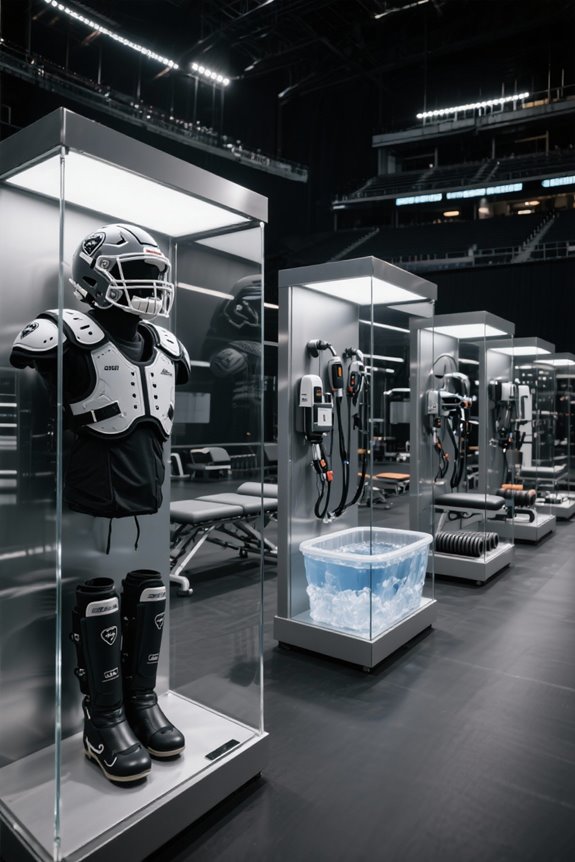
What Are The Recovery Methods For Football Players After Games?

Football players utilize various recovery methods post-games to optimize performance. Key strategies include achieving 7 to 9 hours of quality sleep each night and consuming carbohydrates and proteins for nutritional replenishment. Cold water immersion effectively reduces inflammation and delayed-onset muscle soreness. Active recovery techniques, such as light jogging and stretching, enhance blood flow. Additionally, massage and compression therapy improve circulation and facilitate muscle healing. Understanding these factors is essential for promoting athlete recovery and performance enhancement. Further insights into these methods await exploration.
Key Takeaways
- Adequate sleep (7-9 hours) enhances recovery, cognitive function, and overall performance for football players after games.
- Post-game nutrition should focus on replenishing carbohydrates and proteins to aid muscle recovery.
- Cold water immersion reduces inflammation and mitigates muscle soreness following intense physical activity.
- Active recovery techniques, such as light jogging and mobility stretching, promote blood circulation and prevent stiffness.
- Regular massage and the use of compression garments help improve blood flow and accelerate muscle healing post-game.
Sleep and Nutrition for Optimal Recovery
Recovery in football players hinges significantly on two critical aspects: sleep and nutrition. Elite athletes require 7 to 9 hours of quality sleep per night—exceeding typical adult recommendations due to heightened physical and mental demands. Approximately 50-80% of athletes experience sleep disturbances, leading to impaired recovery processes. Proper sleep hygiene is essential, as sleep deprivation elevates cortisol levels and hampers cognitive function crucial for recovery. In conjunction with sleep, nutritional timing plays a crucial role. Post-exercise, athletes must focus on timely feeding that includes adequate macronutrients, particularly carbohydrates and proteins, to support muscle glycogen restoration. Consequently, addressing both sleep quality and nutrition is essential for peak recovery and performance in football players. Incorporating moisture-wicking technology in recovery gear can further enhance comfort and aid in overall recuperation.
Recommended Products

ANTI-INFLAMMATORY THERAPY: Unlike traditional leg compression sleeves, braces, or wraps, Incrediwear leg sleeves for women and men provide scientifically proven support. Designed to enhance blood circulation, minimize swelling, and reduce inflammation, they offer effective leg pain relief for acute or chronic joint injuries, osteoarthritis, and post-surgery recovery.

Not like the regular, it is open top as picture shows, makes a very cute and special design, dual use (cap and scarf), can show your beautiful ponytail too.This womens chemo headwear fabrics is super soft and comfortable. Easy to clean & hand wash recommended.The cap suitable for all face, no matter what your hair is long or short, you will look very fashion and have special charm when wearing it. You can wear this soft cancer caps indoor or outdoor and they are perfect holiday gifts.

2-way stretch support web provides targeted support to knee and core joints and muscles - 80% nylon/20% lycra
The Benefits of Cold Water Immersion
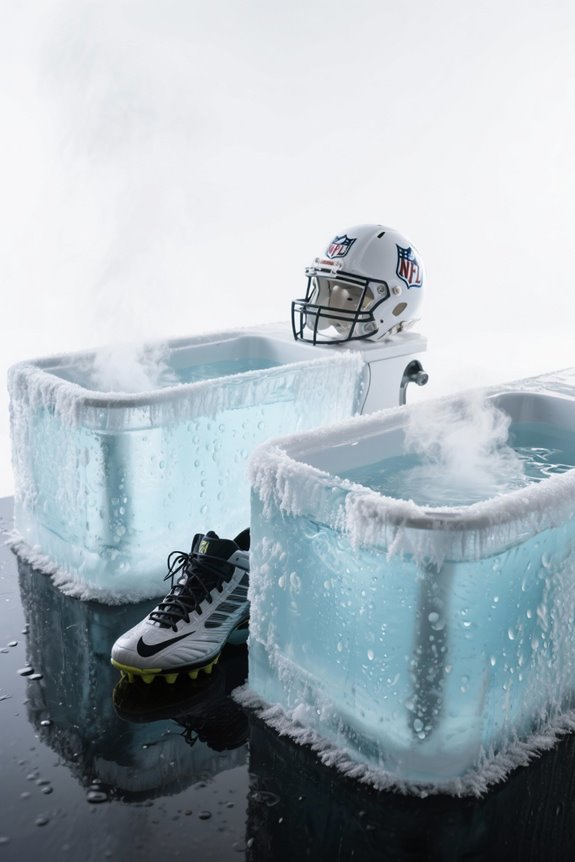
Cold water immersion (CWI), utilized extensively by athletes for recovery, promotes various physiological benefits that aid in muscle repair and overall performance enhancement. The ice bath benefits include enhanced blood circulation, achieved through a two-phase process of vasoconstriction followed by vasodilation, which reduces inflammation and muscle soreness. Research indicates that CWI notably mitigates delayed-onset muscle soreness (DOMS), improving comfort post-exercise. It also decreases muscle damage biomarkers, such as creatine kinase (CK) and lactate, suggesting reduced exercise-induced muscle damage (EIMD). Additionally, cold immersion has been shown to lower subjective ratings of perceived exertion (RPE) after intense training sessions. Overall, CWI serves as an effective recovery strategy, promoting faster muscle repair while improving athletes’ resilience during competitive sports seasons. Incorporating tackling dummies into training routines can enhance players’ performance and further aid in recovery through improved techniques and reduced injury risk.
Recommended Products

ATHLETE-FOCUSED DESIGN: Built to support your body weight, this cold plunge tank offers a spacious and comfortable experience during your cold plunge, ideal for athletes looking to enhance their post-workout routine and reduce muscle soreness.

2-PERSON OVAL PLUNGE POOL TUB — The NordPod Elite's elongated oval shape (51.6"×29.5"×25.6") is built for two. Plunge with a partner at opposite ends, or stretch your legs out fully in solo mode — something no round barrel ice bath tub for athletes can offer.

Optimize Muscle Recovery & Boost Immunity - Experience faster post-workout recovery with our portable ice bath tub. Cold water therapy reduces muscle soreness, inflammation, and stress while improving circulation, immunity, and sleep quality—ideal for athletes and fitness enthusiasts.
Active Recovery Techniques
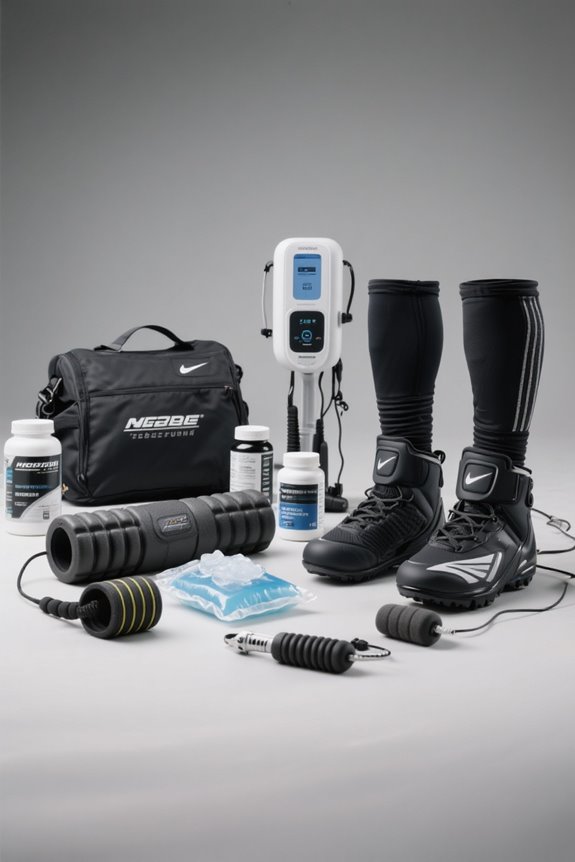
Active recovery techniques, which include various low-intensity exercises and mobility routines, are integral to enhancing athletic performance and minimizing muscle soreness following intense training or competition. Engaging in activities like light jogging or cycling helps improve blood flow, maintaining sessions at 30-45% of maximal heart rate for 10-20 minutes post-game. Mobility stretching, utilizing dynamic movements such as downdog to scorpion and cat-cow combinations, fosters joint range of motion and alleviates muscular tightness. Typically lasting 10-15 minutes, these routines help prevent injury and maintain tissue elasticity. Additionally, foam rolling and neuromuscular activation drills can further support recovery, ensuring athletes remain prepared for subsequent training or competition without excessive fatigue. This holistic approach optimizes overall recovery for football players, while structured training phases play a key role in ensuring effective recovery and performance at all levels.
Recommended Products

Maximize Surface Area for a Full Body Relief - The Wave Roller combines vibration with innovate wave foam texture to deliver a complete, full-body foam rolling experience. The Waveroller is a perfect companion to our category leading Theragun percussion massage guns.
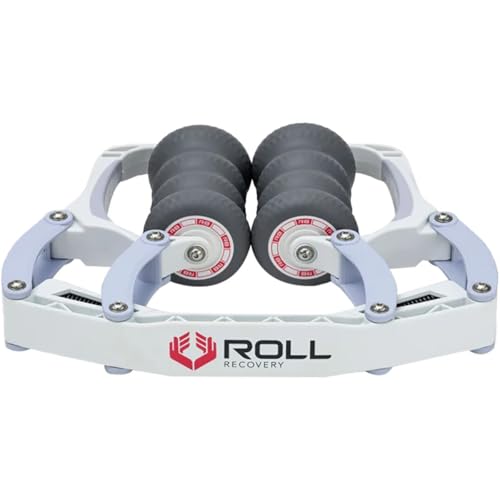
AGGRESSIVE FEEL: Designed specifically for myofascial release and breaking up muscle adhesions. Target specific areas with the elbow like design to apply the deep force needed.
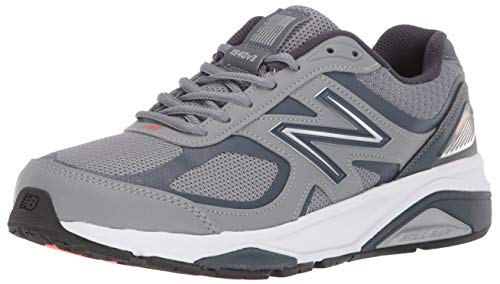
Premium Performance Running Shoes: The 1540v3 Running Shoe is crafted with premium materials and technologies for discerning consumers who are serious about athletic style and performance
Importance of Massage and Compression
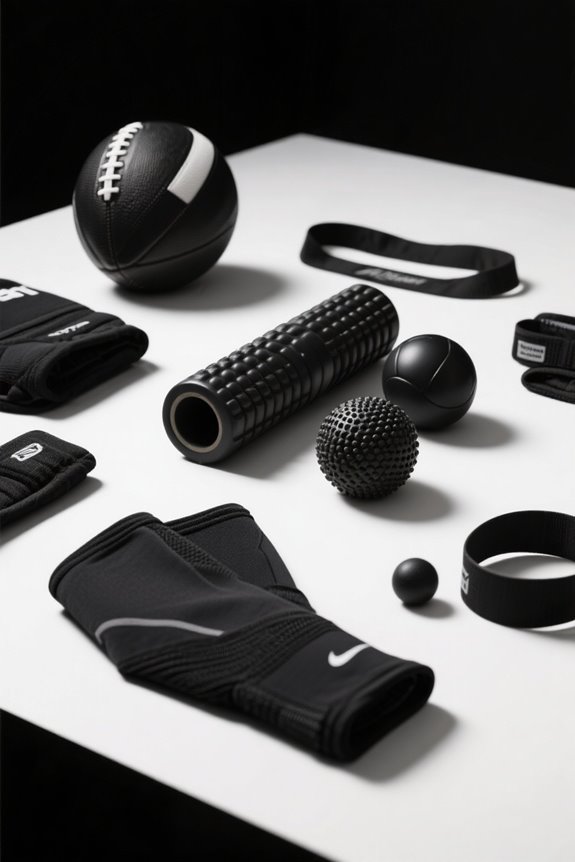
The incorporation of massage and compression techniques plays a critical role in the recovery process for football players, facilitating quicker muscle rehabilitation and enhancing overall athletic performance. Massage techniques, such as effleurage and deep tissue manipulation, improve circulation, reduce inflammation, and promote healing of muscle tissues, leading to less soreness and faster recovery times. Clinical evidence suggests that athletes experience enhanced flexibility and strength in key muscle groups through regular massage sessions. Additionally, compression benefits include improved blood flow and efficient removal of metabolic waste products post-exercise, contributing to reduced swelling and muscle oscillation. When combined, these methods synergistically enhance recovery, decrease the risk of injuries, and positively impact athletes’ subjective perception of their recovery, ultimately boosting performance readiness. Coaches can support recovery strategies by integrating effective coach play sheets that emphasize proper rest and rehabilitation techniques.
Recommended Products
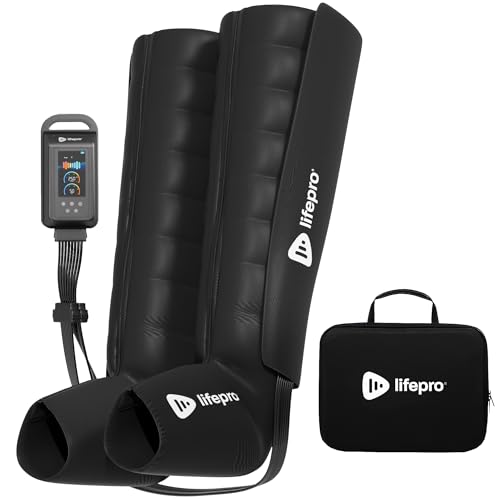
8 Compression Chambers - Unlike standard 4 or 5 Compression chambers, only Lifepro offers 8 air compression chambers that inflate in sequence, delivering precise compression from your feet to thighs for deeper coverage, enhanced comfort, and a truly personalized experience

Fast Recovery & Muscle Relax - This full leg recovery boots uses professional-grade air compression to relax your leg muscle like a massage therapist, help for fast recovery and enhance sports performance. Ideal for athletes and fitness enthusiasts for pre-workout warm-ups and post-workout recovery.

The Normatec Hip Attachment provides next-level compression to your lower back and hip area so you can warm up and recover faster. Contains Hip attachment only. Controller not included.
Exploring Modern Technologies in Recovery
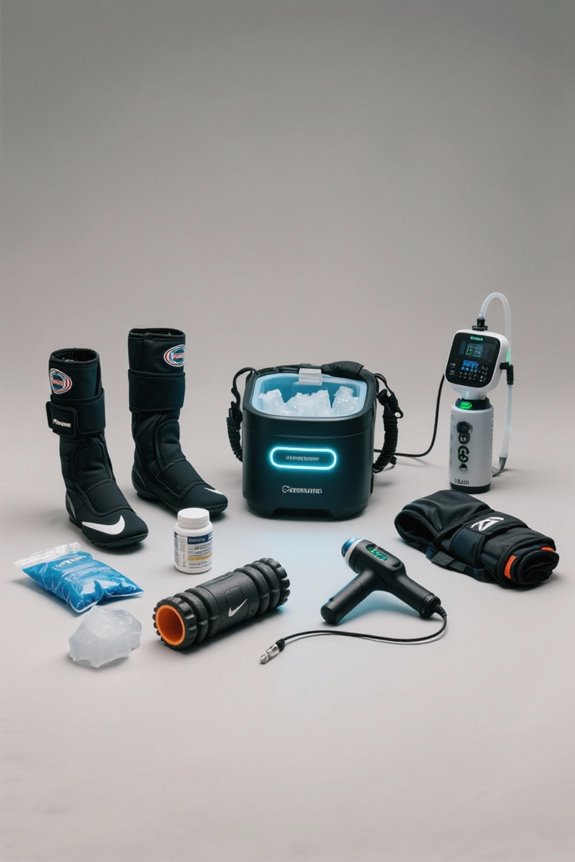
How can modern technology revolutionize recovery practices for football players? The integration of advanced technologies, such as cryotherapy and wearable technologies, notably enhances recovery post-game. Cryotherapy chambers, which expose players to temperatures below -100°C, are known for their cryotherapy benefits, including reduced inflammation and accelerated muscle repair. Real-time monitoring via wearables tracks critical metrics like heart rate variability and muscle oxygen saturation, enabling personalized recovery recommendations. These devices help manage training loads and prevent overtraining. Additionally, emerging protocols are combining cryotherapy with compression techniques for increased recovery efficacy. The incorporation of these technologies guarantees that players can optimize their recovery, allowing for quicker returns to peak performance and minimizing injury risks throughout the demanding football season. Furthermore, integrating advanced stability through construction in training aids can further enhance athletes’ performance and recovery efforts.
Understanding Recovery Timeframes
Recovery practices in football, bolstered by modern technologies, must also account for various injury types and their corresponding recovery timeframes. Mild to moderate sprains and strains typically necessitate 1-3 weeks of rest, while severe cases may require months for complete healing. Muscle contusions can take between 1-6 weeks to recover, demanding ice and compression techniques. Concussions present further complexities; initial symptoms may last 1-2 weeks, with severe cases potentially extending to two or more weeks before returning to gameplay. Additionally, bone fractures and joint dislocations often require significant time, with ACL injuries necessitating rehabilitation of 6-9 months. Understanding these healing phases is critical to ensuring athletes receive the proper care and rehabilitation necessary for safe return to play. Moreover, employing proper fitting and maintenance of helmets is essential to minimize injury risk during games.
Physiological Considerations for Recovery
Physiological considerations play an essential role in the recovery process for football players, as effective strategies can greatly enhance performance and reduce the risk of further injury. Intense matches induce muscle microtrauma, leading to inflammation and increased metabolic waste. Cold-water immersion constricts blood vessels and reduces swelling, while massage therapy improves circulation, alleviating Delayed Onset Muscle Soreness (DOMS). Nutritional intake, particularly protein and antioxidants, is crucial for muscle repair. Additionally, hydration restores electrolyte balance, critical for cellular function. Adequate sleep facilitates physical and psychological recovery by promoting muscle regeneration and removing metabolic waste from brain tissue. These combined physiological strategies are essential for optimizing recovery, ultimately enhancing performance and resilience in subsequent matches. Furthermore, implementing adjustable flag football belts ensures that players can engage in safe and effective drills during recovery.
Integrating Traditional and Innovative Recovery Methods
Integrating traditional and innovative recovery methods is essential for optimizing the athletic performance of football players. Traditional methods such as immediate cool-downs, hydration with electrolyte-rich fluids, and nutritional intake of carbohydrates and proteins remain effective for reducing muscle soreness and enhancing recovery. Additionally, techniques like ice baths and compression garments are widely endorsed for inflammation reduction. On the other hand, innovative technologies, including cryotherapy chambers, red light therapy, and percussion massage devices, are gaining traction in elite sports. The use of wearable tech to monitor exertion and recovery metrics allows for personalized recovery protocols. When combined, these traditional methods and innovative technologies often yield better overall recovery results, enhancing player performance and sustainability in the sport. Furthermore, maintaining clear visibility during play can also influence recovery outcomes by reducing the risk of injuries that may further impede a player’s recovery.
Frequently Asked Questions
How Does Mental Health Impact Recovery for Football Players?
Mental health markedly impacts recovery for football players, with enhanced mental resilience stemming from adequate psychological support. Addressing mental well-being promotes effective rehabilitation, ultimately leading to improved physical recovery outcomes and sustained performance levels.
What Role Does Nutrition Play in Mental Recovery?
Nutrition notably influences mental recovery. Proper protein timing enhances neurotransmitter production, while effective hydration strategies prevent cognitive decline. Together, these elements facilitate improved focus and emotional stability, essential for athletes’ post-game mental well-being and performance resilience.
Can Recovery Methods Differ by Position on the Field?
Recovery methods indeed differ by position on the field, employing role-based recovery protocols like position specific stretching. For instance, linemen may focus on soft tissue therapies, while skilled players prioritize aerobic recovery and neuromuscular restoration.
How Does Age Affect Recovery Strategies in Football?
Is age merely a number in sports? Recovery strategies differ markedly; youth players typically rebound swiftly, while senior athletes require enhanced nutrition, longer rest, and targeted therapies to address slower muscle repair and overall recovery efficiency.
What Are Common Misconceptions About Football Recovery Methods?
Many misconceptions exist about football recovery methods, including the belief that foam rolling and ice baths alone suffice. Effective recovery necessitates a holistic approach combining active movements and diverse modalities for ideal healing and performance sustainability.


