As an Amazon Associate, we earn from qualifying purchases. Some links on this site are affiliate links at no extra cost to you. Our recommendations are based on thorough research and editorial judgment.


What Should Football Players Eat For Optimal Performance?

Football players should consume a diet rich in carbohydrates, proteins, and essential micronutrients for peak performance. Carbohydrate intake is critical, with recommendations of 4-8 g/kg of body weight daily, especially during pre-season. They require 1.4 to 1.8 g/kg of protein to maintain lean muscle mass. Micronutrients, including iron and vitamins D, C, and E, support overall health and performance. Understanding these nutritional needs is crucial for sustained athletic success, and further insights on tailored strategies can enhance performance outcomes.
Key Takeaways
- Consume 2.5 g/kg of body mass in carbohydrates before matches to optimize glycogen stores for peak performance.
- Aim for 30-60 g of carbohydrates hourly during matches to sustain energy levels.
- Include 1.4 to 1.8 g/kg of body weight in high-quality protein daily to support muscle repair and retention.
- Focus on nutrient-dense foods rich in vitamins and minerals to enhance overall health and performance.
- Adjust carbohydrate intake seasonally, ranging from 4-8 g/kg daily during pre-season training.
Understanding Energy Needs for Football Players
Understanding the energy needs of football players is essential for maximizing performance and ensuring overall health. Football requires a combination of aerobic and anaerobic energy systems due to the intermittent nature of the sport, with average heart rates reaching about 85% of maximal capacity. Energy expenditure varies greatly among players, influenced by factors such as position, body composition, and individual metabolic rates. As players engage in both high-intensity bursts and sustained activities, efficient fuel utilization becomes critical; aerobic glycolysis predominates during matches, while anaerobic energy contributes during intense efforts. Additionally, ideal energy availability, defined as kcal/kg of fat-free mass, cannot fall below 40 kcal/kg for peak health and performance, highlighting the necessity of tailored nutritional strategies for athletes. Incorporating proper protection features in their equipment, such as padded girdles, can further enhance their performance on the field.
The Importance of Carbohydrates for Performance
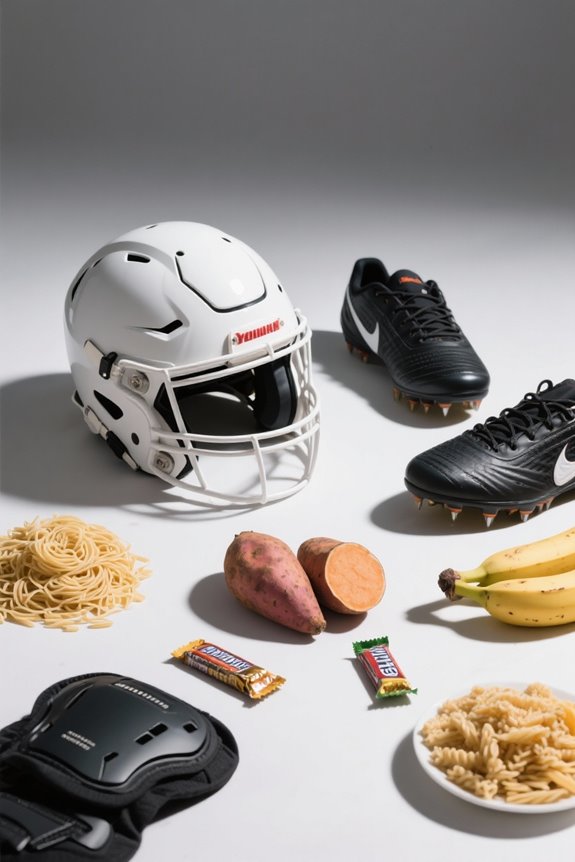
Carbohydrates play a crucial role in fueling football players, greatly influencing their performance on the field. Adequate carbohydrate intake is essential for glycogen replenishment, as muscle glycogen depletion can considerably impair performance, particularly during high-intensity efforts in later stages of a match. Research suggests that consuming 2.5 g/kg of body mass before matches effectively tops up muscle and liver glycogen stores, enhancing endurance. Carbohydrate timing is critical; athletes should aim for 30-60 g of carbohydrate hourly during matches to maintain performance and mitigate fatigue. Post-match recovery necessitates 1-1.5 g/kg carbohydrate intake within four hours to support glycogen synthesis. Therefore, proper carbohydrate management is crucial for football players to sustain their competitive edge throughout intense periods of play. Additionally, training equipment that enhances grip strength can further aid athletes in maximizing their performance on the field.
Recommended Products

HIGH5 Energy Drink with Protein (4:1) is a great-tasting blend of carbohydrates, protein and key electrolytes, which can help to sustain performance and promote the growth and recovery of muscles


Carbohydrate Dual Source Energy Powder: HIGH5 Energy Drink allows you to consume 50% more carbohydrate energy per hour (90g) using a 2:1 maltodextrin-to-fructose blend - Providing consistent energy in endurance sports so you can keep going for longer
Protein Requirements for Lean Muscle Retention
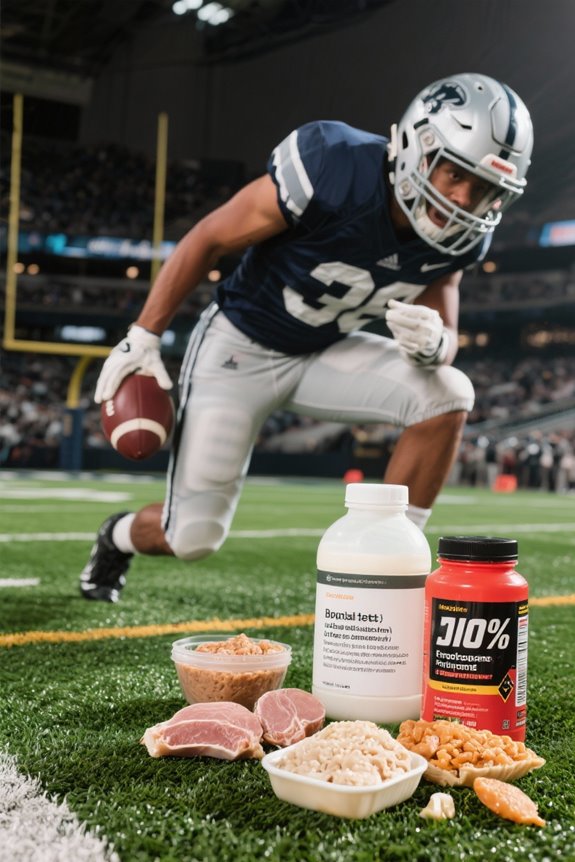
To retain lean muscle mass, football players require a well-structured protein intake, which is vital for optimal performance and recovery. Ideal protein intake ranges from 1.4 to 1.8 grams per kilogram of body weight per day, tailored to training status and specific goals. Maintaining protein quality is essential; high-quality proteins, particularly from animal sources, provide complete amino acid profiles that effectively support muscle repair and growth. Additionally, protein timing plays a vital role in maximizing muscle protein synthesis; distributing 20-30 grams of protein across meals throughout the day is beneficial. Consuming protein soon after workouts aids in muscle recovery and prevents muscle breakdown, thereby ensuring positive nitrogen balance and overall performance enhancement in football players. Moreover, athletes wearing compression football girdles benefit from improved muscle stabilization and reduced injury risk, which further supports their nutritional efforts.
Micronutrient Essentials for Optimal Health

Micronutrient essentials play an essential role in the health and performance of football players, influencing not only their endurance and recovery but also their overall well-being. Key minerals such as iron, magnesium, and zinc contribute greatly to oxygen transport, muscle function, and immune support. Vitamin D, vital for calcium absorption and muscle health, requires careful monitoring, as deficiencies can lead to increased injury risk. Despite sufficient intake of various vitamins typically met through balanced diets, players must consider the impacts of micronutrient absorption; certain dietary factors, like phytates and oxalates in plant foods, can hinder this process. In addition, antioxidant benefits from vitamins C and E mitigate oxidative stress, thereby contributing to improved recovery and performance in athletes. Considering the importance of moisture-wicking technology in sports apparel, athletes should also ensure their clothing supports their body’s temperature regulation during games.
Tailoring Nutrition Strategies for Seasonal Demands
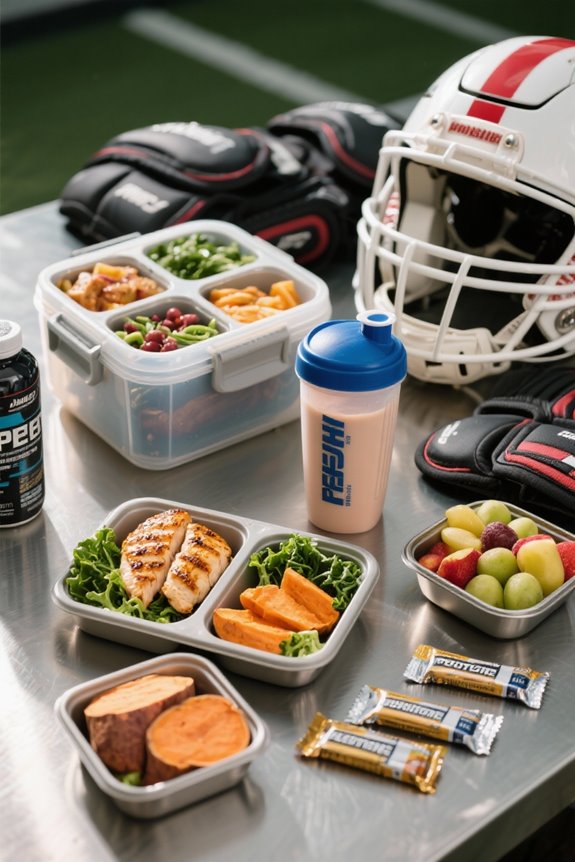
Effective nutrition strategies are essential for football players as they navigate the varied demands of their seasonal training and competition schedules. Tailoring nutrition involves making seasonal adjustments to macronutrient intake, especially carbohydrates, which should range from 4-8 g/kg daily in pre-season to support performance and recovery. Nutrition timing is critical, particularly during in-season training when immediate post-training consumption of leucine-rich protein is crucial for muscle repair. In-game, carbohydrate intake between 5-7 g/kg/day sustains energy levels. Conversely, during the offseason, players should focus on nutrient-dense foods while recalibrating energy intake to align with training volume changes. Ultimately, these strategic adjustments are fundamental for optimizing performance and health throughout the entire football season. Additionally, proper hand warmer selection can help players maintain warmth, ensuring optimal muscle function during colder games.
Frequently Asked Questions
How Can Hydration Impact a Football Player’s Performance?
Hydration strategies critically impact a football player’s performance metrics, affecting strength, power, and cognitive function. Maintaining ideal hydration enhances endurance and reduces injury risk, ultimately improving overall athletic performance during training and competition.
What Foods Should Be Consumed Pre-Match for Optimal Energy?
To optimize energy, athletes should focus on carbohydrate loading with meals rich in whole grains and starchy vegetables. Pre-match snacks like bananas or energy bars can effectively boost glycogen stores for maximum performance.
Are There Specific Snacks Recommended During Long Training Sessions?
During long training sessions, athletes often rely on snack options such as energy bars, protein smoothies, and dried fruits combined with proteins to sustain energy and facilitate recovery, ensuring ideal performance throughout rigorous activities.
How Does Meal Timing Affect Recovery After Matches?
Meal timing becomes a dramatic stage, showcasing athletes hurriedly devouring meals as if racing against thunderous applause. Frequency and timely post-match nutrition sculpt recovery rates, transforming empty tanks into roaring engines ready for the next bout.
Can Dietary Changes Improve Injury Prevention in Football Players?
Dietary changes can substantially improve injury prevention in football players through nutrient timing, which optimizes injury recovery. Adequate macronutrient intake enhances tissue repair while maintaining energy availability and hormonal balance, ultimately reducing injury susceptibility.


