As an Amazon Associate, we earn from qualifying purchases. Some links on this site are affiliate links at no extra cost to you. Our recommendations are based on thorough research and editorial judgment.


How Can Football Players Improve Their Vertical Jump?

Football players can enhance their vertical jump through a multi-faceted training approach. Incorporating strength training, such as squats and deadlifts, increases lower body power. Plyometric exercises, including box jumps and depth jumps, maximize explosiveness. Integrating sprint drills promotes fast-twitch muscle fiber development. Additionally, improving ankle mobility and hip stability reduces injury risk and enhances jump efficiency. Proper jump technique, emphasizing hip alignment and core engagement, further supports performance. Continued exploration reveals more strategies for improvement.
Key Takeaways
- Incorporate compound lifts like squats and deadlifts to build lower body strength and enhance explosive power for increased vertical jump.
- Utilize plyometric exercises such as box jumps and depth jumps to improve explosiveness and develop elastic energy for higher jumps.
- Practice sprint drills regularly to enhance fast-twitch muscle fibers and improve overall acceleration, benefiting vertical jump performance.
- Focus on ankle mobility and hip stability to optimize jump mechanics and reduce injury risks associated with jumping.
- Emphasize proper jump technique, ensuring stable hip alignment and synchronized arm movements for maximum energy transfer during the jump.
Strength Training Foundations for Vertical Jump
Strength training forms the essential foundation for improving vertical jump performance among football players, given the physiological demands of the sport. By focusing on compound lifts such as squats and deadlifts, players can develop critical lower body power necessary for effective jump mechanics. Squats enhance the strength of the quadriceps, hamstrings, and glutes, while deadlifts target the posterior chain to support explosive hip drive. Incorporating exercises like power cleans also trains rapid hip extension and coordination. Additionally, single-leg movements can improve balance, coordination, and unilateral power, contributing to effective takeoffs. Moreover, progressive overload in strength training increases maximal force output, which directly correlates with improved jump height and overall athletic performance, making it an indispensable component of training regimens. Regular assessments of strength training outcomes are vital to ensure continuous improvement and optimize training effectiveness.
Recommended Products

CHALLENGE YOUR JUMP: Incredibly useful volleyball training equipment that measures vertical jump from 4-12 feet, with moveable veins placed at 1" Increments for accurate jump measurement

Two Packages: The device will be divided into two boxes during the packaging process for easy transportation and storage. One is a long tube box with dimensions of 57.8 x 4.3 x 4.3 inches, and the other is a base box with dimensions of 30.7 x 20.4 x 9 inches. When you receive your delivery, please make sure you receive two parcels
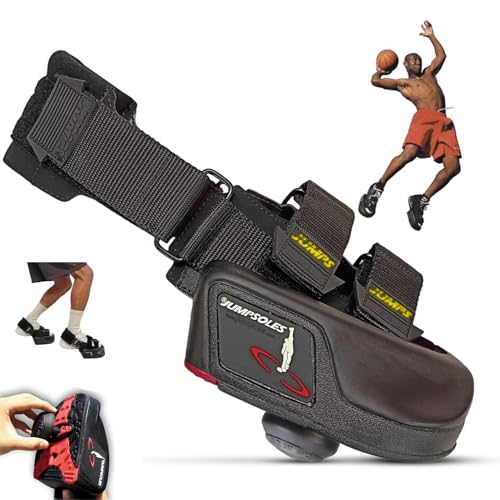
ADD UP TO 12 INCHES TO YOUR VERTICAL JUMP: Ultimate Proprioceptor System converts your Jumpsoles into individual wobble platforms to activate stabilizing muscles in the ankles and feet. Increases energy return for higher jumps and improved explosive power in basketball, volleyball, and athletic training.
Plyometric Exercises to Enhance Explosiveness
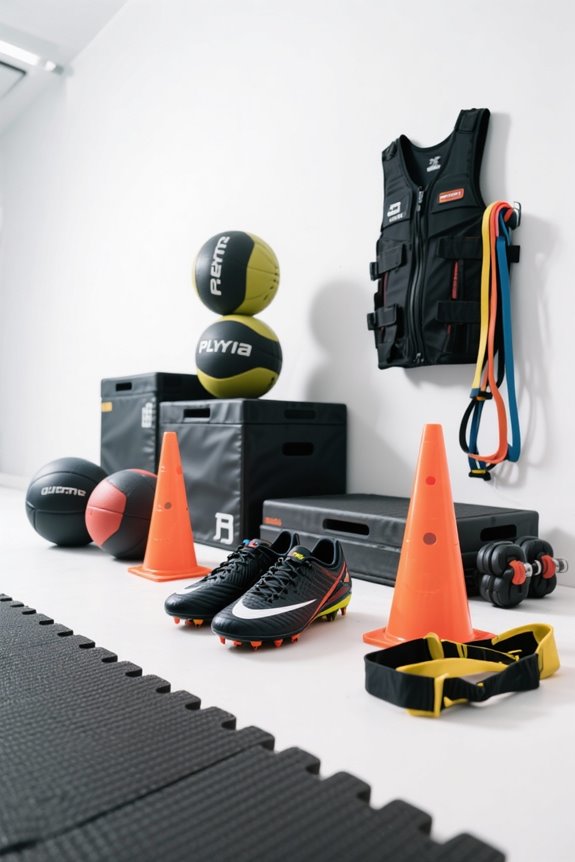
Plyometric exercises serve as an essential training modality for enhancing explosiveness in football players, where the focus on rapid and powerful muscle contractions translates directly to improved performance on the field. Effective plyometric variations, such as box jumps and depth jumps, maximize vertical power and improve elastic energy utilization. Additionally, exercises like hurdle hops and lateral bounds develop the multi-directional explosiveness necessary for agility in football. Implementing structured exercise progression is vital; athletes should start with lower barriers before advancing to more complex movements. Training typically involves 3-5 weekly sessions, with adequate rest intervals to maintain performance quality. Continuous monitoring of fatigue and proper landing techniques guarantees the athlete’s safety while promoting effective muscle recruitment and strength development. To enhance training outcomes, incorporating dynamic stretching can prepare muscles and reduce the risk of injury.
Recommended Products

STACKABLE BOXES - Complete with adjustable landing heights, these plyometric boxes are available as a full box set or individually - Green (6in), Blue (12in), Red (18in), & Black (24in). Perfect option to cater for all fitness abilities.

Professional gym-quality plyometric boxes designed to be a fixture in your gym, training room or home for years to come

Build Explosive Power: Intensify workouts and strengthen your lower body with the Champion Sports Foam Plyo Boxes! Designed with long hook and loop tabs for securing the plyometric jumper boxes together, these fitness box will push you to the max.
Sprint and Acceleration Work
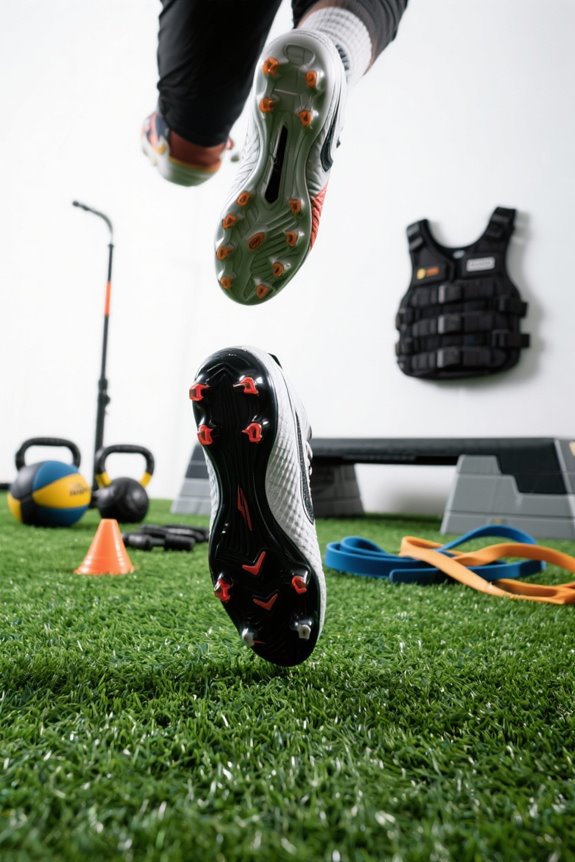
Sprint and acceleration work plays an essential role in the training regimen of football players, as it directly influences their performance in explosive movements vital for success on the field. Incorporating sprint drills, such as short sprints and hill sprints, helps enhance fast-twitch muscle fibers and overall power output. Additionally, acceleration techniques improve reaction time and the ability to rapidly change direction, critical for explosive maneuvers like jumping for catches. Regularly performing these exercises—notably flying sprints and resisted sprints—builds lower body strength, which directly correlates with vertical jump performance. By integrating these drills two to three times a week, players can monitor progress through timed sprints and increased vertical heights, augmenting their athletic capabilities effectively. Furthermore, utilizing tools like weight capacity sleds can provide additional resistance training, enhancing overall performance.
Recommended Products

Heavy Duty Construction – Built with 12-gauge steel and a reinforced frame, this power sled supports up to 600 lb for intense push, pull, and drag strength training workouts on turf or grass.

Heavy Duty Steel Frame: Built from 12-gauge powder-coated steel, this sled supports up to 300 lb and is designed for intense conditioning workouts on turf, grass, cement, or asphalt.

Weight Sled for Training: Heavy duty Rep Fitness weight sled designed for simple, effective strength and conditioning. Plate-loaded sled accepts Olympic weight plates and delivers scalable resistance for sled workouts, CrossFit training, and athletic development.
Mobility and Stability for Injury Prevention and Efficiency
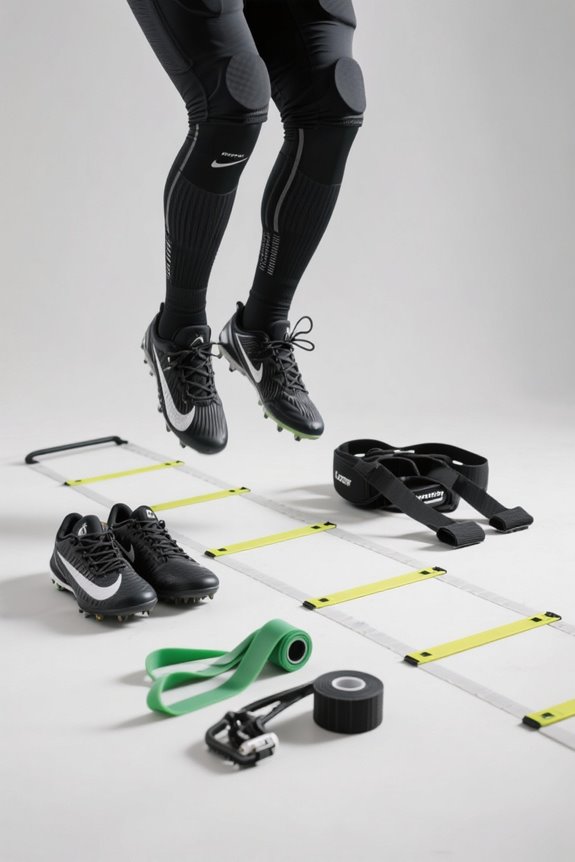
Mobility and stability are essential for football players, particularly in enhancing vertical jump performance while minimizing injury risk. Ideal ankle mobility is necessary; restricted ankle dorsiflexion can impede effective joint mechanics, forcing compensatory movements that negatively impact jump efficiency. By improving ankle rocker mechanics, players can better generate vertical force from their hips and thighs, potentially increasing jump height by up to five inches in just a few weeks through targeted mobility drills. Furthermore, hip stability plays an important role in safe landings and explosive movements. Strengthening hip stabilizers mitigates the risk of knee injuries, such as ACL tears, while also improving overall jump power. Consequently, focusing on both ankle mobility and hip stability is critical for maximizing athletic performance. Additionally, utilizing tools like dry erase boards can help coaches visually strategize these mobility drills and track player progress effectively.
Recommended Products


High top cleat for top performance lineman.

【Two Control Modes】: Manual remote control mode and Automatic flexion and extension mode. You can control the angle according to your own feelings without the help of others.
Jump Technique Optimization
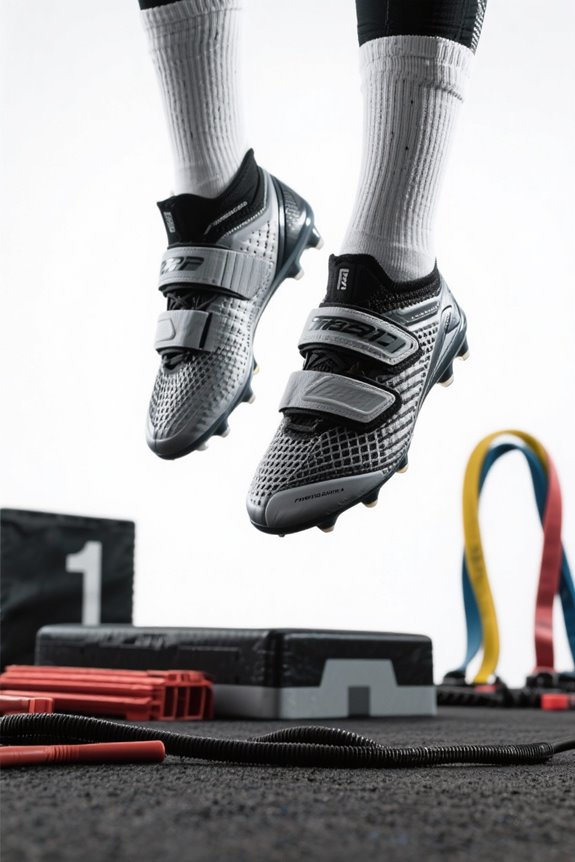
Optimizing jump technique is vital for enhancing vertical performance in football players, as it directly impacts their overall athletic capability. Proper jump execution requires stable hip alignment and strong core engagement to maximize energy transfer from lower body strength. Players should maintain an upright torso and synchronize arm movements with hip extension; initiating with a backward arm swing during preparation can considerably improve vertical lift. Additionally, avoiding excessive forward bending at the waist is essential to prevent energy loss. By ensuring that shoulders remain aligned with hips throughout the jump, athletes can achieve a more controlled trajectory. Emphasizing these technical elements fosters improved explosive power and enhances the likelihood of achieving ideal jump height during competitive play. Moreover, understanding the importance of proper jump execution can significantly boost an athlete’s performance.
Recommended Products

iPhone/iPad Required (iOS Only) – Works with the VERT iOS app on iPhone or iPad (see App Store for current iOS requirements). Not compatible with Android. Watch the quick start video on this page to set up and start tracking in minutes.

Material and Size: taking into consideration the football dummy's quality, you'll find it's made of quality PVC sandwich cloth and filled with a high density sponge, ensuring it can withstand intense training; Measuring around 42 x 12 x 6 inches, this step over dummy football presents the ideal size for realistic training

VERSATILE DUMMY FOR SPORTS TRAINING - Step Over Dummy Perfect for Footwork Drills for a Variety of Sports Including Football, Soccer, and More
Specialized Training Protocols and Recovery
Improving vertical jump performance in football players necessitates the implementation of specialized training protocols and recovery strategies tailored to enhance strength, explosiveness, and overall athletic performance. Effective training programs focus on hip strengthening through exercises like hip thrusts and split squats, which optimize jumping mechanics and reduce injury risk. Plyometric protocols, such as depth jumps and weighted jumps, facilitate acute potentiation effects, possibly increasing vertical jump height considerably. Recovery protocols emphasizing ankle mobility, including ankle rocker exercises, are essential for effective force transfer and improvement in jump mechanics. Additionally, balance and coordination training, such as single-leg hops, contributes to neuromuscular control, further enhancing overall performance. These thorough strategies collectively yield substantial benefits for football athletes, with combinations such as resistance bands facilitating targeted strength improvements in specific muscle groups.
Frequently Asked Questions
How Often Should I Train for Vertical Jump Improvement?
Training frequency guidelines recommend approximately three days per week for vertical jump improvement, emphasizing training intensity through short, intense plyometric sessions. Adequate recovery time is essential to prevent fatigue and enhance long-term performance gains.
What Dietary Changes Can Support Vertical Jump Gains?
Could dietary changes enhance vertical jump performance? Incorporating lean protein sources, maintaining proper hydration strategies, and timing nutrient intake effectively guarantees ideal muscle recovery, ultimately supporting improved power and explosiveness in jumping capabilities.
Are There Specific Supplements That Enhance Jumping Performance?
Specific supplements like creatine benefit vertical jumping by enhancing force development, while protein timing supports recovery and performance. Combining these elements can amplify jumping capabilities, especially in athletes involved in high-intensity sports.
How Can Mental Training Impact My Vertical Jump?
Mental mastery, through mental visualization and confidence building, considerably boosts vertical jump performance. Athletes employing mental strategies cultivate focus and reduce anxiety, promoting enhanced neuromuscular coordination and ideal execution during explosive movements like jumping.
What Are the Best Recovery Practices After Jump Training?
The best recovery practices after jump training include active recovery methods, such as light exercises, and foam rolling, which enhance blood flow, reduce muscle stiffness, and improve overall neuromuscular function, thereby optimizing jump performance.


