As an Amazon Associate, we earn from qualifying purchases. Some links on this site are affiliate links at no extra cost to you. Our recommendations are based on thorough research and editorial judgment.

What Are The Signs Of Overtraining In Youth Football Players?

Signs of overtraining in youth football players include persistent fatigue, decreased performance, mood disturbances, and increased injury susceptibility. These athletes may experience chronic tiredness despite rest, alongside noted declines in sprinting speed and explosive power. Psychological symptoms often manifest as irritability and emotional exhaustion, with many players facing stress from competitive pressures. Identifying these indicators early is essential for implementing effective interventions. Further insights on preventive strategies and thorough management techniques can provide additional guidance.
Key Takeaways
- Persistent fatigue that does not improve with rest can indicate overtraining in youth football players.
- Chronic joint and muscle pain lasting beyond three months signals potential overuse injuries from excessive training.
- Declines in performance, such as reduced sprint speed or vertical jump heights, are common signs of overtraining.
- Emotional symptoms, including irritability, anxiety, and diminished motivation, often accompany physical signs of overtraining.
- Social withdrawal and disengagement from team activities may indicate emotional exhaustion and burnout in young athletes.
Understanding Overtraining and Its Impact
Understanding overtraining is vital for coaches, parents, and young athletes, as it can considerably impact both performance and overall well-being. Overtraining manifests through various mood changes, including increased irritability, anger, and diminished motivation, often reflecting psychological strain. Effective coaching practices necessitate a focus on athlete communication, allowing for recognition of these signs early. Moreover, emotional burnout may develop due to cumulative stress from training, leading to negative personality shifts. The balance between rigorous training and adequate rest is essential, as failure to achieve this can lead to performance declines. Coaches and parents should remain vigilant to guarantee that young athletes maintain a healthy relationship with their sport, prioritizing both mental and physical health alongside athletic development. Incorporating mental training strategies can help athletes cope with stress and improve their overall performance.
Persistent Fatigue and Physical Exhaustion

Persistent fatigue and physical exhaustion represent significant concerns for youth football players, as they can hinder athletic performance and lead to longer-term health issues. Such fatigue often manifests as chronic tiredness that persists despite adequate rest and may be accompanied by elevated resting heart rates, prolonged recovery times, and prolonged muscle soreness. Effective fatigue management strategies, such as adequate recovery techniques and scheduled rest days, are essential to mitigate these symptoms. Additionally, excessive training intensity without adequate adaptation can exacerbate feelings of exhaustion, resulting in increased susceptibility to injuries and decreased motivation. Young athletes also face challenges from academic pressures, poor sleep quality, and nutritional deficits, all contributing to impaired recovery and heightened vulnerability to overtraining syndrome. Incorporating multi-compartment wristbands may assist in quickly referencing plays to optimize training sessions and facilitate better recovery strategies.
Recommended Products

Medium (17"-18" Shoulder, 38"-40" Chest). To measure for TAG shoulder pads, measure your chest and shoulder width. If you are between sizes, we recommend following your accurate shoulder measurement instead of the shoulder width.

ADVANCED SOCCER GPS TRACKER VEST: The STATSports Academy soccer tracking vest records 24 metrics including speed, distance, sprints, exertion, and heart rate zones. FIFA-approved and trusted by elite soccer and football teams worldwide.

VERSATILE DUMMY FOR SPORTS TRAINING - Step Over Dummy Perfect for Footwork Drills for a Variety of Sports Including Football, Soccer, and More
Declines in Athletic Performance

Declines in athletic performance frequently signal the onset of overtraining syndrome among youth football players, representing a vital area of concern for coaches and trainers. Performance regression is evident through reduced sprinting speeds, diminished vertical jump heights, and a notable loss of explosive power, attributed to muscle fatigue and inadequate recovery. As endurance capacity declines, players experience fatigue more rapidly during prolonged activities, further impacting their overall contributions during matches. Increased heart rates at rest and during exercise also indicate compromised cardiovascular systems. Consequently, decreased maximal strength outputs affect essential skills such as tackling and blocking. Effective organization of training sessions and recovery strategies is crucial to mitigating these issues. Collectively, these factors result in lower competitive performance metrics, highlighting the urgent need for appropriate training adjustments to prevent overtraining among youth athletes.
Recommended Products

CONTACT DRILLS: Heavy-duty tackle dummy for safely simulating contact drills for a variety of sports or for martial arts training

After Extensive research and development, we have enhanced the original Rev Throw to meet the needs of all overhand sofball positions. Through our research we found the girls of all ages had a very tough time holding on to the 11 inch and 12 inch softballs while REVVIN with the Rev throw. We developed these with the 9 inch yellow ball to perfectly fit in your handfor ease of use with the ability to learn and repeat the proper throwing motion

The Rev Shorty is designed for throwers 11 years old and younger of average height
Psychological and Mood Changes
Psychological and mood changes represent critical indicators of overtraining syndrome in youth football players, heavily impacting their overall well-being and performance. Data suggests that over 60% of youth athletes report increased stress and anxiety due to competitive pressures and managing expectations from coaches and parents. This chronic stress can lead to burnout, revealing mood disturbances such as irritability and emotional exhaustion. Additionally, adverse psychological effects may manifest as negative self-perception and reduced motivation, which are often precursors to physical symptoms of overtraining. Emotional resilience is essential for these athletes to navigate challenges effectively, yet increased training demands and social isolation can hinder their ability to cope, emphasizing the need for supportive environments in youth sports. Proper equipment selection can also play a significant role in minimizing physical stress and enhancing player confidence.
Recognizing Symptoms of Overuse Injuries

Recognizing symptoms of overuse injuries in youth football players is essential for safeguarding their physical health and enhancing performance longevity. Common overuse symptoms include chronic joint and muscle pain, such as persistent knee or shoulder pain lasting beyond three months, which serve as critical injury indicators. Continuous muscle soreness that extends beyond normal post-exercise discomfort may signal that players are under excessive training loads. Notable fatigue during drills, an increase in recurring injuries, and prolonged recovery times also suggest excessive strain and insufficient recovery periods. Moreover, athletes may exhibit behavior changes like reduced motivation or enthusiasm for practice, indicating underlying physical discomfort. Early identification of these symptoms is crucial to prevent long-term damage and maintain athlete health. Implementing appropriate knee pad protection can help mitigate the risk of injuries during training sessions and games.
Recommended Products

Revolutionary MVP-PRO Catchers Helmet features Deflexion shock hammocks to help disperse impacts and I-BAR BSP Cage with extended back swing protection for coverage against wild swings

ALL-IN-ONE KIT: The CHAMPRO Starter Umpire Kit is a collection of all the tools needed to ump the game. Filled with quality equipment, it includes a mask, chest protector, leg guards, brush, 4-dial indicator, and umpire ball bag.

Impenetrable Advantage: LEGION stands alone as the only shoulder pad featuring a custom-molded, dual-density, beaded foam body. Unlike traditional pads, LEGION pads resist the absorption of water, sweat, and other fluids, keeping athletes drier and lighter.
Physiological Symptoms and Health Declines
While engaging in youth football, players may experience a range of physiological symptoms that signal potential health declines due to overtraining. Particularly, hormonal imbalance can lead to disrupted menstrual cycles in female athletes and indicate underlying metabolic stress. An increased resting heart rate and prolonged recovery times reflect cardiovascular strain and issues with autonomic balance. Additionally, immune suppression frequently occurs, resulting in heightened illness rates among youth players, which negatively impacts training consistency. Commonly observed symptoms include weight loss, loss of appetite, and chronic fatigue that do not resolve with rest, highlighting the overall energy imbalance and systemic overload. These physiological declines, if not addressed, can severely compromise athletic performance and overall health. It’s essential for coaches and parents to monitor integrated padding in football gear to ensure players’ safety and comfort on the field.
Recommended Products

Increase Vertical Power & Jump Height: Designed to elevate your performance, these training soles attach easily to most sport shoes for men and women. They target calves and fast-twitch muscle fibers to improve vertical jump, explosive strength, and balance for basketball, volleyball, and agility training.
PROTECT WITHOUT SLOWING THEM DOWN: Legion Youth Football Shoulder Pads are engineered to deliver elite impact protection while maintaining the lightweight mobility young athletes need to run, cut, and play with confidence. Our patent-pending design helps players stay fast, agile, and protected without feeling bulky or restricted.

RUN SLIGHTLY LONGER AT THE ANKLE — DESIGNED TO FIT OVER SHIN GUARDS - This intentional fit keeps the leggings in place during dives and provides extra room for shinguards underneath. Extended ankle length works comfortably over shin guards without bunching or pulling. Multi-directional stretch fabric moves with your body through every save and recovery.
Risk Factors Contributing to Overtraining
Overtraining among youth football players can be exacerbated by a variety of risk factors that compromise their physical and mental well-being. Excessive training hours, particularly those exceeding a player’s age, pose a significant risk for overtraining. Poor recovery practices, such as inadequate rest and insufficient sleep duration, hinder essential muscle repair and hormonal balance. Additionally, a lack of training periodization can prevent proper adaptation to increasing intensity, further promoting overtraining symptoms. Training year-round, coupled with high volumes of competition and insufficient recovery intervals, intensifies cumulative fatigue. Technical deficiencies, such as weak core musculature and improper techniques, collectively increase injury risk, while external factors like inadequate equipment and environmental challenges also contribute to an athlete’s vulnerability to overtraining. Furthermore, investing in durability and material quality for training equipment can help prevent injuries and support effective training practices.
The Role of Early Sport Specialization
Early sport specialization, defined as an athlete dedicating more than eight months per year exclusively to a single sport while foregoing participation in other athletic activities, has garnered increasing attention due to its potential implications for youth football players. This intense focus often begins at young ages and aims for elite status, placing substantial physical and psychological pressures on young athletes. Research indicates that early specialization contributes to a higher risk of overuse injuries, such as tendinitis and stress fractures, often exacerbating natural growth vulnerabilities. In addition, early specialization may impede overall athletic development, as diversified participation fosters better coordination and skill transfer. Experts suggest that delaying specialization until later adolescence may enhance long-term performance outcomes, promoting healthier engagement with the sport. Furthermore, incorporating compression technology in training regimens can aid in muscle recovery and prevent some of the physical strains associated with overtraining.
Balancing Training Intensity and Volume
Balancing training intensity and volume is a vital consideration for youth football players, particularly given the rise in early sport specialization. Excessive intensity without volume adjustments can lead to overtraining syndrome, greatly increasing injury risk. Coaches must implement intensity modulation techniques, ensuring training loads are monitored and adjusted accordingly to promote gradual progression. It is essential to schedule planned low-intensity days or rest periods to facilitate recovery between sessions. In addition, utilizing objective monitoring tools, such as heart rate variability, can help managers of young athletes detect signs of excessive training loads. A careful balance not only preserves physical health but also maintains athletes’ enthusiasm and prevents psychological burnout, fostering a sustainable and enjoyable sporting environment. Incorporating tools like adjustable weight capacity during training sessions can help tailor intensity and support individual athletes’ needs.
The Effects of Multiple Sports Participation
Participation in multiple sports provides an essential framework for the physical and psychological development of youth athletes. Engaging in various sports offers significant multi-sport benefits, including reduced overuse injuries through diversified muscle stresses, which allows recovery for different body parts. This athletic versatility promotes balanced athleticism and enhances overall strength, flexibility, and coordination. Moreover, exposure to diverse coaching styles and team dynamics enhances emotional resilience and social skills, fostering a healthy athlete identity. Skills gained from cross-training in different sports can transfer effectively, improving decision-making and tactical understanding. Athletes who engage in multiple sports tend to specialize later, a factor associated with greater long-term success, increased participation longevity, and reduced burnout risk compared to early specialization. Furthermore, adopting a structured training phase enhances the effectiveness of cross-training by ensuring athletes develop strength and agility in a well-rounded manner.
Identifying Signs of Burnout in Young Athletes
Recognizing the signs of burnout in young athletes is vital for preventing negative long-term consequences associated with excessive training and performance pressures. Burnout can manifest as emotional exhaustion, where athletes feel mentally drained, coupled with a reduced sense of accomplishment. Additionally, social withdrawal is a common indicator, as affected individuals often disengage from team activities and friendships. Physical symptoms may include chronic fatigue and recurring injuries, while emotional indicators involve increased irritability and anxiety related to performance expectations. Behavioral changes, such as negative self-talk, difficulty concentrating, and loss of motivation towards the sport, can further highlight burnout. Addressing these signs early on is fundamental to guarantee athletes maintain a healthy relationship with their sports activities and overall well-being.
Strategies for Preventing Overtraining
To effectively prevent overtraining in youth football players, a multifaceted approach is required, incorporating both physical conditioning and psychological support. Implementing preventive strategies, such as mandated injury prevention and mobility training programs, can greatly reduce overuse injuries. Proper technique training, especially in tackling and blocking, minimizes the risk of injuries. Coaches should prioritize off-season conditioning to enhance strength and flexibility, complemented by expert guidance tailored to individual needs. Additionally, utilizing data-driven training techniques, including GPS technology to monitor fatigue, guarantees personalized training plans that address specific requirements. Parental support focused on effort rather than outcomes further promotes healthy development, reinforcing the psychological resilience essential for maintaining balanced training and preventing overtraining.
Recommended Products
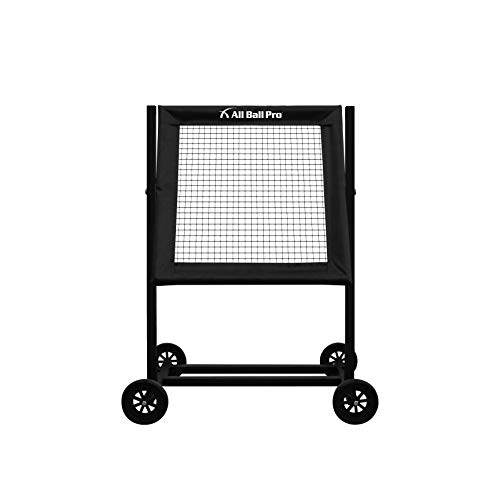
The Stinger X lacrosse rebounder is designed with a spacious 3.5' x 3.5' net frame, providing ample space for training.

REGULATION PORTABLE SOCCER GOAL - This Full Size Bownet Soccer Goal is ideal for training both indoor or outdoor and is easy to fold for storage and transport.

AI-POWERED AUTO TRACKING: Don’t miss a moment. With 6 TOPS AI performance and an 8-core processor, our advanced AI auto-tracking system functions like a dedicated cameraman—automatically tracking players and the ball in soccer, basketball, and team sports with accurate dual-lens precision. Great for coaches and parents capturing every highlight.
Frequently Asked Questions
How Can Parents Support Their Child in Preventing Overtraining?
Parents can support their child in preventing overtraining by promoting balanced training schedules, incorporating recovery strategies, encouraging open communication, and ensuring proper nutrition. Active involvement fosters healthy athletic experiences and minimizes the risk of burnout.
What Role Does Nutrition Play in Youth Athlete Recovery?
Nutrition plays a critical role in youth athlete recovery through strategic nutritional timing and effective hydration strategies. Proper nutrient intake supports muscle repair, replenishes energy stores, and enhances overall performance, promoting ideal recovery and reducing injury risk.
When Should a Coach Intervene if Overtraining Is Suspected?
A coach should intervene promptly upon noticing signs of overtraining, employing intervention strategies that include athlete assessment and communication. Continuous coach education on recognizing symptoms and balanced training loads is essential for effective prevention and management.
How Can Young Players Communicate Their Fatigue to Coaches?
How can young players effectively express fatigue signals? They should engage in open coach dialogue, articulating physical and mental struggles, alongside behavioral changes, thereby fostering understanding and support for their well-being during training sessions.
What Long-Term Effects Can Overtraining Have on Youth Athletes?
Overtraining in youth athletes can lead to increased injury risk and chronic musculoskeletal damage, while also causing mental burnout, anxiety, and decreased motivation. These long-term effects may negatively impact both athletic performance and general well-being.


