As an Amazon Associate, we earn from qualifying purchases. Some links on this site are affiliate links at no extra cost to you. Our recommendations are based on thorough research and editorial judgment.


At What Age Should Children Start Playing Tackle Football?

Experts recommend that children begin playing tackle football between the ages of 11 and 13, aligning with their physical and neurological development. This timing minimizes injury risks, particularly concerning concussions and other trauma. Organizations like the American Academy of Pediatrics advocate for this delay and suggest alternatives such as flag football for younger participants. Numerous parents support age restrictions in light of safety concerns, emphasizing the importance of careful consideration in tackling this issue. Further insights on safety regulations follow.
Key Takeaways
- Experts recommend starting tackle football between ages 11 and 13, typically in middle school, for increased physical maturity.
- The American Academy of Pediatrics advises delaying tackle football to decrease injury risks, particularly concussions.
- Flag football is encouraged for younger participants to build skills without the risks of full contact.
- Over 80% of youth players sustain injuries, emphasizing the need for age considerations in tackle football participation.
- Legislative efforts are underway to propose age restrictions, with some states exploring bans for ages 6 to 12.
The Recommended Starting Age for Tackle Football
As youth football continues to grow in popularity, experts generally recommend that tackle football commence no earlier than middle school, typically between the ages of 11 and 13. This guidance reflects expert opinions aimed at balancing safety and skill development for young athletes. Many experts assert that delaying tackle football allows for greater physical maturity, reducing the risk of injury due to underdeveloped neck strength and coordination. Organizations advocating for flag football for younger participants emphasize that this format promotes youth engagement while enabling essential skill-building without the risks of full contact. Legislative efforts in various states further underscore the importance of age guidelines, supporting the consensus for promoting safety in youth sports as children prepare for higher-level competition at a more suitable age. Additionally, implementing player safety protocols can significantly enhance the well-being of young athletes during their formative years in sports.
Safety Concerns Surrounding Tackle Football
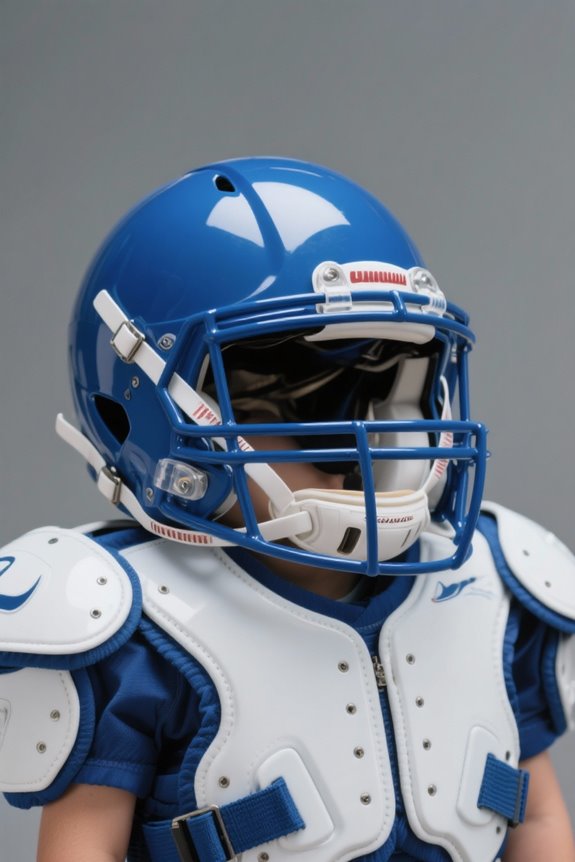
Safety concerns regarding tackle football have gained significant attention as the sport’s popularity continues to rise among youth participants. Public perception indicates that only 45% of U.S. adults deem tackle football appropriate for children, with over 50% advocating for age restrictions, suggesting a delay until high school. The primary worries focus on concussion risks and the long-term potential for brain injuries, influencing parents’ decisions regarding participation. Additionally, children aged 5 to 14 show a concussion incidence of approximately 5% per season, highlighting the urgent need for effective injury prevention measures. Some youth programs are adopting safety training and limiting contact time, aiming to address these concerns while preserving the benefits youth football provides, particularly in culturally significant communities. Proper sizing for knee pads is crucial in minimizing injury risk during gameplay.
Recommended Products

Revolutionary MVP-PRO Catchers Helmet features Deflexion shock hammocks to help disperse impacts and I-BAR BSP Cage with extended back swing protection for coverage against wild swings

ALL-IN-ONE KIT: The CHAMPRO Starter Umpire Kit is a collection of all the tools needed to ump the game. Filled with quality equipment, it includes a mask, chest protector, leg guards, brush, 4-dial indicator, and umpire ball bag.

Impenetrable Advantage: LEGION stands alone as the only shoulder pad featuring a custom-molded, dual-density, beaded foam body. Unlike traditional pads, LEGION pads resist the absorption of water, sweat, and other fluids, keeping athletes drier and lighter.
Injury Risks Associated With Early Participation
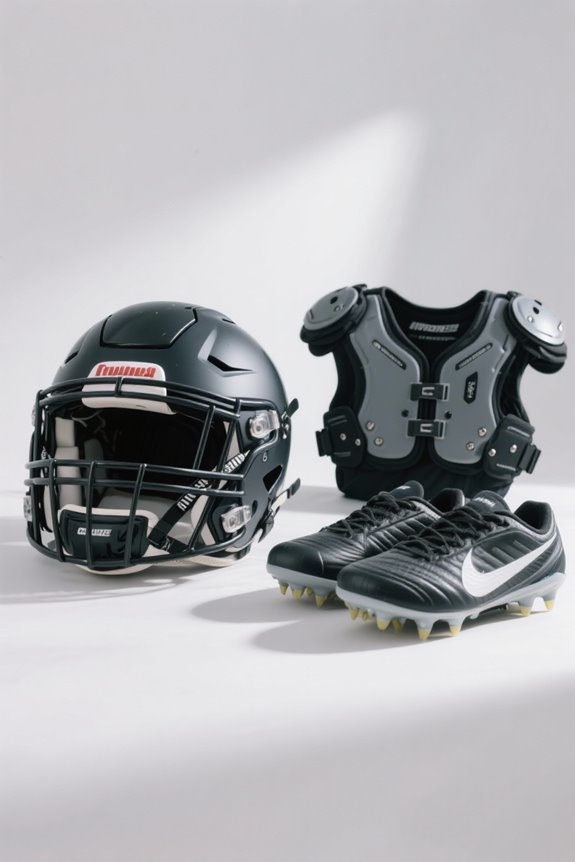
Injury risks associated with early participation in tackle football are significant, particularly as children engage in a sport characterized by physical contact and dynamic play. Research indicates that over 80% of youth players sustain injuries, with common injury types including concussions, fractures, and sprains. Concussions, although constituting less than 4% of reported injuries, are particularly concerning due to their long-term implications. Children aged 7 to 12 exhibit increased youth vulnerability, as their developing brains are more susceptible to traumatic injuries. Younger participants often face a higher incidence of closed head injuries, indicating that age-related factors, such as physical fatigue and weaker neck muscles, contribute to heightened risks. Expert recommendations emphasize minimizing contact to mitigate these injury risks effectively. Moreover, choosing receiver shoulder pads with proper impact protection features can help reduce the risk of injuries during play.
Recommended Products

Medium + Super Skill Combination: Configured with - Super Skill Arch, Super Skill Epaulets, Super Skill Cups and a Skill 3/8” Shoulder Foam. Each shoulder pad and size combination is uniquely configured by our experts to ensure maximum safety and performance for your exact needs on the field.

Slim profile with shorter caps allowing unrestricted arm movement and flexibility

Great protection for varsity level players
Physical and Neurological Development Stages
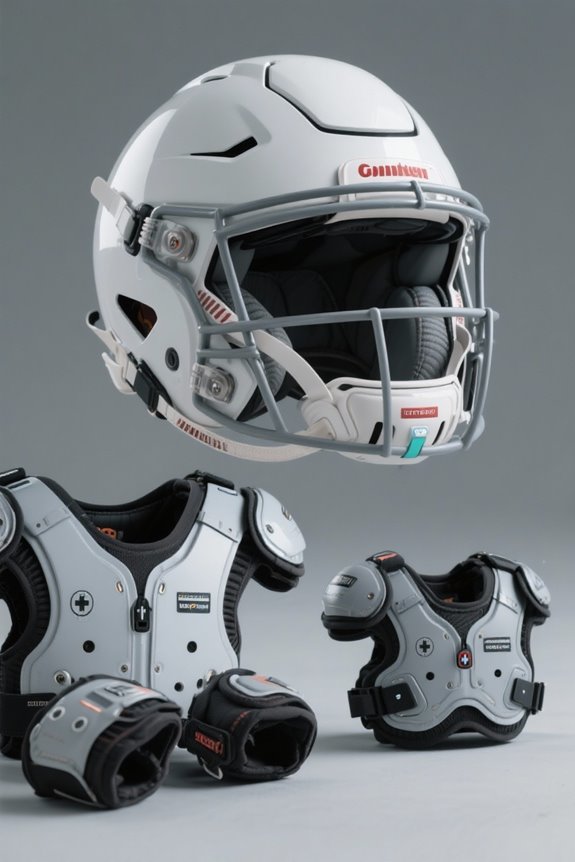
An understanding of the physical and neurological development stages in children is critical for optimizing their participation in tackle football, as these stages greatly influence their performance and safety. Children below seven years are in the preoperational cognitive stage, which limits their understanding of complex tactics due to concrete thinking. Between ages seven and eleven, they enter the concrete operational stage, enhancing logical thinking and rule comprehension. During pre-adolescence, around ages nine to fourteen, children can gradually increase physical load, benefiting from developing motor skills and basic conditioning. By adolescence, from ages fifteen to eighteen, neurological maturation promotes advanced tactical understanding, allowing for more competitive gameplay. Aligning training with cognitive development enhances children’s engagement and safety in tackle football, especially considering the importance of integrated padding for protection during gameplay.
Recommendations From Medical and Sports Organizations
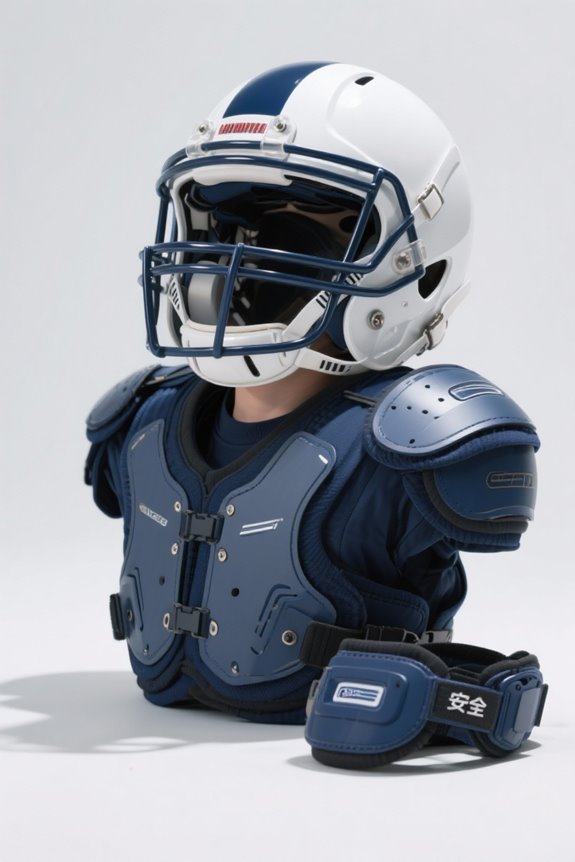
Various medical and sports organizations have established guidelines to inform and shape youth participation in tackle football, emphasizing the importance of age-appropriate entry points due to developmental considerations. The American Academy of Pediatrics (AAP) advises delaying tackle football to decrease injury risks, advocating for the teaching of proper tackling techniques and the expansion of non-tackle leagues. Similarly, the Aspen Institute recommends flag football until age 14, emphasizing the need to introduce tackling skills around age 12. The Concussion Legacy Foundation supports delaying tackle football until age 14, citing research indicating that early exposure can lead to cognitive issues. Collectively, these organizations stress the importance of tackle safety while promoting alternatives like flag football to enhance youth participation without compromising well-being. Additionally, emphasizing accuracy through training nets can help young quarterbacks improve their game in a safer environment.
Recommended Products

COLLAPSIBLE/PORTABLE SOCCER GOAL: The Goalazo is a throwback to Kwik Goal’s early roots of popularizing collapsible and portable goals

50 Scrimmage vests - numbered 1-50

HANDS-FREE AUTO-TRACKING: BallerCam recognizes the court or field and FOLLOWS THE BALL and key action automatically. The BallerCam doesn't move, but it keeps the play centered digitally. Powered by sports-tracking AI built on 2M+ games.
Trends in Youth Football Participation
Youth football participation has experienced a notable decline in recent years, as evidenced by various demographic studies and surveys conducted nationwide. Over the past 15 years, overall youth tackle football participation has diminished, revealing significant participation disparity across different youth demographics, including race, geographic location, and socio-economic status. While some communities maintain high participation rates, others have sharply reduced their involvement in tackle football. Concerns regarding safety, such as concussion risks, have contributed to this trend. Simultaneously, flag football has emerged as a rapidly growing alternative, with more than 2.4 million participants under age 17. Legislative actions and changing cultural preferences further shape youth football’s landscape, underscoring the evolving dynamics within organized youth sports. The introduction of safer alternatives like flag football highlights the shift in focus towards minimizing injury risks while still promoting athletic participation among youth.
Age Divisions in Football Leagues
Age divisions in tackle football leagues are primarily structured to accommodate the developmental needs and safety of young athletes. Organizations such as American Youth Football (AYF) classify players into categories like 9U/10U for ages 10 and under, while Pop Warner utilizes specific age and weight criteria. Most youth leagues allow children to begin tackle football at around ages 9 or 10, with many shifting from flag football. Some leagues emphasize safety by implementing weight restrictions and modified game rules for younger age divisions. Additionally, variations in age cutoff dates affect eligibility, with many leagues using July 31, while others may select January 1. These age divisions and league structures aim to promote fair competition and minimize injury risks among players, which is supported by safety ratings that help ensure the protection of young athletes.
Recommended Products

Recommended For Youth Players Through Junior High

Outer material: Polyurethane (PU)
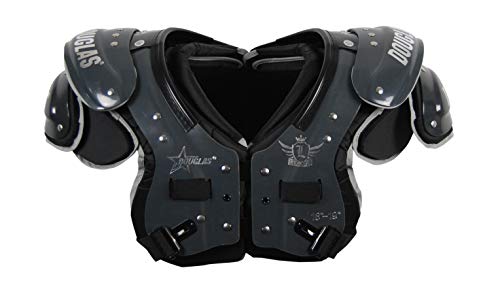
Skill Positions - QB,WR,CB,KP
The Rise of Flag Football as an Alternative
As the landscape of youth sports evolves, flag football has emerged as a compelling alternative to traditional tackle football, appealing to both parents seeking safer options for their children and organizations emphasizing reduced injury risks. Recent data indicates that flag football participation among children ages 6-12 has surged, with an increase of 277,000 players since 2012, showing its growing popularity. Flag football benefits include eliminating tackling, thereby greatly reducing high-impact collisions associated with serious injuries like concussions. This limited-contact format fosters skills in strategy, agility, and teamwork while supporting safer brain development. In addition, the NFL’s endorsement of flag football signals an inclusive future for youth participation, encouraging diverse demographics to engage without the same injury concerns found in tackle football. Furthermore, many families are opting for high-quality materials to ensure their flag football sets endure rigorous play and provide a safer experience.
Recommended Products
HANDS-FREE AUTO-TRACKING: BallerCam recognizes the court or field and FOLLOWS THE BALL and key action automatically. The BallerCam doesn't move, but it keeps the play centered digitally. Powered by sports-tracking AI built on 2M+ games.

18 Scrimmage Vests - Numbered 1-18(on back only)

Set of 4 corner flags featuring a sturdy, steel base with a ground peg for proper anchoring
Parental Perspectives on Tackle Football
A significant portion of parents, approximately 61%, express support for the implementation of age restrictions concerning youth tackle football, primarily due to rising concerns about concussion risks associated with the sport. These parental opinions reflect a broader apprehension within football culture, especially among those with children aged 6-12, who are more inclined to favor restrictions. Importantly, female parents perceive a higher injury risk, further strengthening their advocacy for these measures. Conversely, some parents advocate for an earlier start, believing that teaching safe techniques can mitigate future risks. Additionally, youth leagues employ measures to enhance safety, such as improved equipment and conditioning programs, which influence how parents perceive the sport’s overall safety and developmental benefits. This includes the adoption of customizable fit options in equipment like shoulder pads, highlighting advancements in player protection.
Legislative Efforts to Protect Young Athletes
Legislative efforts to protect young athletes from the risks associated with tackle football have gained momentum in recent years, reflecting growing public concern about the sport’s safety. Several states are exploring legislative strategies, including proposals to ban tackle football for players under ages 6 to 12. California’s AB 734 exemplifies this effort, gradually phasing in a ban through 2029. With over 53% public support for restrictions on youth tackle football, lawmakers cite significant risks of concussion and head impacts, as research shows children experience 15 times more head impacts than flag football participants. Additionally, local leagues often incorporate these regulations to enhance safety, making age and weight-based playing restrictions a critical aspect of youth advocacy within the sport. The importance of high-quality materials in sports gear, such as shoulder pads, further underscores the need for improved safety standards in youth athletics.
Frequently Asked Questions
What Are the Benefits of Playing Tackle Football for Children?
Tackle football offers children myriad benefits reminiscent of ancient warriors’ training; it enhances physical development, fosters discipline, and cultivates teamwork. Through strategic play, children learn accountability and resilience, shaping their character for future challenges.
How Can Parents Assess Their Child’s Readiness for Tackle Football?
Parents can assess their child’s readiness for tackle football by evaluating physical readiness through growth metrics and development of motor skills, alongside emotional maturity concerning handling competition and understanding safety protocols essential for contact sports.
What Role Do Coaches Play in Ensuring Safety in Youth Football?
Coaches play an essential role in ensuring safety in youth football by implementing effective coaching strategies and adhering to established safety protocols. Their training in concussion awareness and emergency preparedness is vital for protecting young athletes.
What Techniques Can Reduce Injuries in Tackle Football?
Impeccable tackling techniques, like leading with the shoulder and maintaining a heads-up posture, dramatically enhance injury prevention in tackle football. Vigilant coaching and properly fitted equipment further safeguard players, ensuring a safer and more enjoyable experience.
How Does Tackle Football Impact Children’s Social Skills and Teamwork?
Tackle football greatly enhances children’s social skills and teamwork dynamics, fostering friendship development through collaborative play. Players learn to communicate effectively, resolve conflicts, and support teammates, contributing to a positive social atmosphere within the team environment.


