As an Amazon Associate, we earn from qualifying purchases. Some links on this site are affiliate links at no extra cost to you. Our recommendations are based on thorough research and editorial judgment.

What Are The Key Exercises For Improving Speed In Football?

Key exercises for improving speed in football include linear sprints, agility drills, and technical sprint mechanics. Linear sprints, specifically over 10 to 30 yards, facilitate maximum velocity. Agility drills, such as ladder and cone drills, enhance quickness through rapid directional changes. Additionally, strength exercises like squat jumps and deadlifts build explosive power. Conditioning regimens, including high-intensity interval training, improve speed endurance, critical for prolonged performance. Continued attention to these methods reveals effective strategies for enhanced athletic speed.
Key Takeaways
- Engage in linear sprints of 10–30 yards to develop maximal speed and acceleration performance.
- Perform agility drills like ladder and cone drills to improve quickness and rapid directional changes.
- Incorporate strength exercises such as deadlifts and squat jumps to build lower-body strength and power.
- Use high-intensity interval training (HIIT) to enhance speed endurance and overall cardiovascular fitness.
- Include explosive movements like power cleans and medicine ball throws for increased rapid muscle contractions.
Linear Sprints for Maximal Speed Development
Linear sprints play an essential role in the development of maximal speed for football athletes, as they are important for achieving peak performance during competitive play. Effective vmax training incorporates sprint distances of 10–30 yards, which allow athletes to build up to their top speed in a controlled manner. Elite players, such as wide receivers, often reach speeds exceeding 10.0 m/s, showcasing the significance of maximal velocity training. Importantly, linemen typically achieve max velocity sooner and benefit from 20-yard build-in sprints. This targeted approach guarantees that sprint training enhances not only top-end speed but also critical acceleration performance, thereby improving fundamental game-day attributes, ultimately leading to greater successful outcomes in football. Additionally, including structured training phases can optimize the effectiveness of sprint training and ensure athletes maximize their speed potential.
Recommended Products

Flexible & Durable PVC: Built from heavy duty, flexible plastic to withstand repeated use for soccer cones, parking cones, traffic cones, or street cones in any setting.

Heavier, Thicker, Stronger: Finally, heavier, thicker, and stronger agility cones that won't tip over or slide around. LVL10 Sports Pro practice cones are made of thick and flexible PVC vinyl that's 200% thicker than flimsy, brittle, and small plastic cones from the competition.

Adjustiable hurdle heights: The cross and vertical poles of the hurdle are connected by a roating clamp that you can adjust the position of the clamp on the pole to achieve the adjustment of the height of the hurdle.
Agility Drills for Improved Quickness
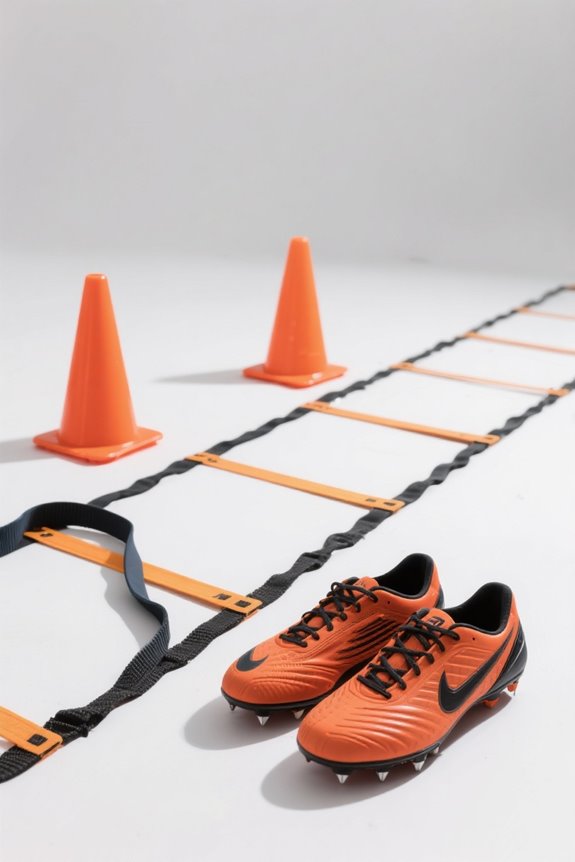
Agility drills represent an essential component in enhancing quickness for football players, as they focus on improving directional change and overall foot speed. Ladder drills, incorporating patterns such as the Ickey shuffle and in-and-out steps, develop precise foot placement, facilitating rapid movements and coordination between limbs. This significant enhancement in agility allows players to adapt quickly during game situations. Additionally, cone drills simulate critical on-field motions, emphasizing sharp cuts and quick directional changes essential for effective performance. Common variations include the X-drill and L-drill, which enhance acceleration and deceleration capabilities. Consistently practicing these drills builds explosive power, improves cardiovascular conditioning, and increases stride frequency, preparing athletes for sustained quickness and efficiency during competitive play. Furthermore, utilizing appropriate replacement studs can enhance traction and stability during agility drills, contributing to improved overall performance on the field.
Recommended Products

Multi-Sport & Therapy Approved Used by professionals in soccer, basketball, boxing, and physical therapy, BlazePod makes training fun, fast, and measurable. Improve focus, speed, and cognitive agility across any discipline.

TRAINER KIT - Your Pods are the foundation of your training experience. Trainer kit is recommended for all trainers on the move for one-on-one or small group training. More Pods give you more versatility, more stations, color coding, and the ability to set up a wider variety of drills.

ADJUSTABLE ANGLES – The removable bullseye target features a 5-point adjustment system, allowing you to set angles from 90° vertical to 180° flat. This versatility makes it ideal for practicing a wide range of passing techniques and drills.
Technical Sprint Mechanics for Optimal Performance
Optimizing sprint mechanics is essential for football players seeking to enhance their performance on the field. Effective sprinting relies on maintaining proper sprint posture, characterized by an upright yet slightly forward lean, which aids in the application of force and promotes forward momentum. Key factors contributing to stride efficiency include ideal foot placement, keeping the foot beneath or slightly ahead of the center of mass, and minimizing ground contact time to reduce braking forces. Additionally, players should focus on increasing leg turnover and maintaining a balanced arm action, ensuring elbows remain flexed at about 90 degrees. Proper coordination between limbs can lead to improved cadence, ultimately enhancing overall sprint speed critical for football success. Incorporating UPF 50+ sun protection can also help players maintain their focus without discomfort from the sun during intense training sessions.
Strength and Power Exercises to Enhance Speed
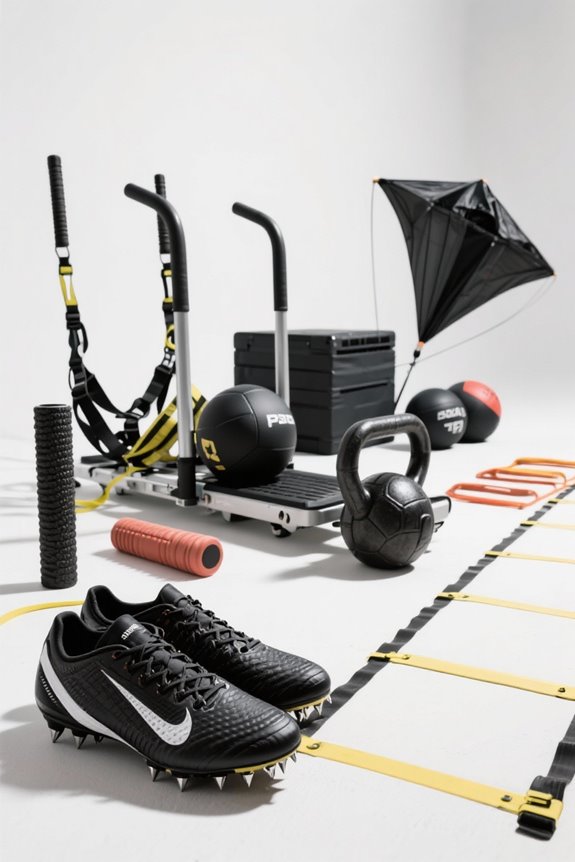
To enhance speed in football, players must engage in a variety of strength and power exercises that focus on developing explosive capabilities and overall body strength. Key exercises include step-ups and squat jumps, both of which enhance lower-body strength important for sprinting and agility. Additionally, deadlifts contribute considerably to maximum strength, forming a fundamental foundation for speed development. Power training is further improved with explosive step-ups and box jumps, which promote rapid muscle contractions. Upper body strength is enhanced through pull-ups and sled pulls, aiding in balance during contact situations. Incorporating power cleans and medicine ball throws also supports overall power development, essential for quick, dynamic movements on the field, thereby facilitating improved performance in speed-based scenarios. Furthermore, utilizing training equipment can greatly amplify the effectiveness of these exercises by providing a structured environment for consistent practice.
Recommended Products
![FORZA Aluminum Soccer Goals [11 Sizes] | Professional Soccer Goal Posts *The Goal Nets Used by MLS & Premier League Clubs* (Alu110 Stadium Box, 16ft x 7ft)](https://m.media-amazon.com/images/I/71WEz1a5K5L._SL500_.jpg)
PROFESSIONAL SOCCER GOAL & NET - Available in multiple regulation sizes (6ft x 4ft to 24ft x 8ft), these premium soccer goals are perfect for players of all levels, from junior athletes to seasoned professionals. Designed for durability and performance, they’re ideal for clubs, training sessions, and competitive matches.

Snap Attack delivers passes and punts 100 yards, kick-offs 70+ yards, and snaps with tight spirals 5 to 15 yards.

Jugs Football Passing Machine throws precise passes, punts, and kickoffs to any spot on your field.
Conditioning Regimens for Speed Endurance
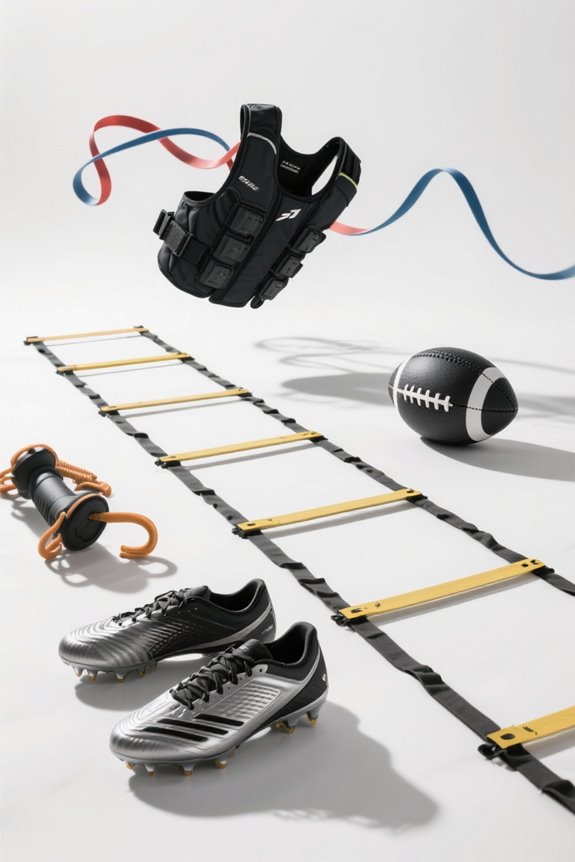
Conditioning regimens focused on speed endurance represent an integral component of a football player’s training regimen, complementing strength and power exercises aimed at enhancing overall athletic performance. One effective method is high-intensity interval training (HIIT), which involves short bursts of maximum effort followed by recovery periods, thereby improving both aerobic and anaerobic endurance. Repeated sprint drills, utilizing distances of 10 to 40 yards, can also enhance stamina building through sustained high-intensity efforts. Additionally, sprint-jog-sprint patterns simulate game conditions, developing the cardiovascular fitness necessary for active play. Incorporating gradual increases in interval counts or reducing recovery times strengthens fatigue resistance while maintaining sprint speed, vital for prolonged performance on the field. Furthermore, integrating agility ladder drills into your routine can further enhance foot speed and coordination.
Recommended Products

VERSATILE TRAINING OPTIONS - Improve your workouts with our range of Spring-Loaded Slalom Poles, available in 6ft (1.8m) or 5ft (1m) options. Both sizes are available in packs of 8 or 16, providing ample opportunities for dynamic footwork drills to enhance your overall athletic performance.

Heavy Duty Construction – Built with 12-gauge steel and a reinforced frame, this power sled supports up to 600 lb for intense push, pull, and drag strength training workouts on turf or grass.

ADVANCED SOCCER GPS TRACKER VEST: The STATSports Academy soccer tracking vest records 24 metrics including speed, distance, sprints, exertion, and heart rate zones. FIFA-approved and trusted by elite soccer and football teams worldwide.
Multidirectional Speed and Deceleration Training
Multidirectional speed and deceleration training plays an essential role in the development of football players, enhancing their ability to change direction quickly while maintaining control over their movements. Cone drills, such as the X-drill and zigzag sprints, are integral for boosting explosive acceleration and simulating game conditions by forcing rapid directional shifts. Additionally, deceleration techniques focus on optimizing body positioning as athletes slow down, emphasizing proper foot placement and hip alignment. For instance, lateral A-run drills encourage athletes to maintain stability and control, thereby improving quick recovery during intense play. Implementing these training methods guarantees players can perform efficiently even under fatigue, ultimately reducing the risk of injury and preserving speed throughout the duration of games. Incorporating training tools such as blocking dummies can further enhance agility and tackling techniques essential for on-field performance.
Recommended Products
![FORZA Aluminum Soccer Goals [11 Sizes] | Professional Soccer Goal Posts *The Goal Nets Used by MLS & Premier League Clubs* (Alu110 Socketed, 16ft x 7ft)](https://m.media-amazon.com/images/I/51tZuoU-8ZL._SL500_.jpg)
PROFESSIONAL SOCCER GOAL & NET - Available in multiple regulation sizes (6ft x 4ft to 24ft x 8ft), these premium soccer goals are perfect for players of all levels, from junior athletes to seasoned professionals. Designed for durability and performance, they’re ideal for clubs, training sessions, and competitive matches.

9-A-SIDE MATCH GOAL – Engineered to meet official regulations for junior match days and senior soccer training, FORZA Match Goals are ideal for larger backyard setups. Their freestanding design ensures stability and versatility on any playing surface, providing the perfect match experience for players of all ages.
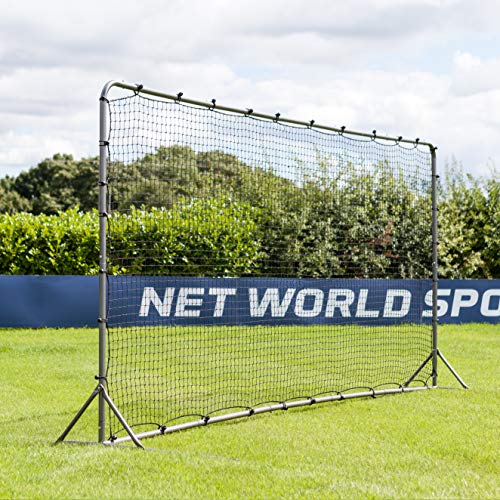
TWO SIZES AVAILABLE – Choose between a 12ft x 6ft or 16ft x 7ft soccer wave rebounder to suit your requirements, with the smaller size being perfect as a junior rebounder or for an added challenge for senior players.
Frequently Asked Questions
How Often Should Speed Training Be Incorporated Into Weekly Practice?
Many seasoned athletes understand that incorporating speed training frequency of 1-2 days weekly for youth, and 3-4 days for advanced players, enhances their practice schedule, optimizing both performance and recovery without risking injuries.
What Warm-Up Exercises Best Prepare Athletes for Speed Training?
Dynamic stretching and agility drills effectively prepare athletes for speed training. These exercises enhance flexibility, activate key muscle groups, and improve coordination, ensuring athletes are physically primed for performance while minimizing the risk of injuries.
Are There Specific Recovery Techniques for Speed Training Sessions?
Active recovery techniques, including walking and gentle pool exercises, enhance performance while foam rolling improves muscle quality. These strategies support recovery post-speed training by reducing soreness and maintaining ideal neuromuscular function essential for athletes.
How Can Nutrition Impact Speed Development in Football Players?
Nutrition can be the secret weapon in speed development. Ideal carbohydrate timing and sufficient protein intake guarantee energy availability, muscle recovery, and explosive power, dramatically enhancing a football player’s ability to sprint like lightning across the field.
What Role Does Body Composition Play in Sprint Performance?
Body composition greatly affects sprint performance; increased muscle strength enhances acceleration, while lower fat percentage reduces resistance, promoting efficiency. Optimizing these factors is essential for football players aiming to improve their speed on the field.


