As an Amazon Associate, we earn from qualifying purchases. Some links on this site are affiliate links at no extra cost to you. Our recommendations are based on thorough research and editorial judgment.

What Does A Defensive Back Do In Football?

A defensive back in football is pivotal in thwarting opposing teams’ passing plays. They specialize in coverage techniques, positioning themselves strategically in the secondary to defend against receivers. Their responsibilities include tackling ball carriers and disrupting offensive routes. Key skills for defensive backs encompass agility, speed, and mental acuity, enabling effective play anticipation. By mastering various coverage strategies, including man-to-man and zone defense, they greatly impact the game’s outcome. Understanding these elements reveals more about their essential role.
Key Takeaways
- Defensive backs defend against the pass by covering receivers and preventing completions during plays.
- They engage in run defense by tackling ball carriers and disrupting offensive routes.
- Utilizing various coverage techniques, they adjust their positioning based on man or zone schemes.
- Defensive backs require exceptional footwork, agility, and speed to effectively respond to offensive movements.
- They also participate in tackling and can blitz to add unpredictability to their defensive strategy.
Role of a Defensive Back in Football
The role of a defensive back in football encompasses a variety of essential responsibilities aimed at thwarting the opposing offense. Historically, defensive backs have evolved to address advancements in offensive strategies, with their training techniques becoming more sophisticated. They defend against the pass by covering receivers, disrupting routes, and preventing key plays. In run defense, defensive backs, particularly safeties, engage blockers and tackle ball carriers to minimize yardage. Additionally, they must maintain spatial awareness to anticipate offensive moves, adjusting their positioning accordingly. Exceptional footwork, agility, and sharp ball skills are fundamental, as these qualities enable them to read formations and respond effectively. Ultimately, a defensive back acts as a vital line of defense, greatly influencing the outcome of passing plays. Furthermore, having the right lightweight football cleats can enhance a defensive back’s agility and speed on the field.
Types of Defensive Backs
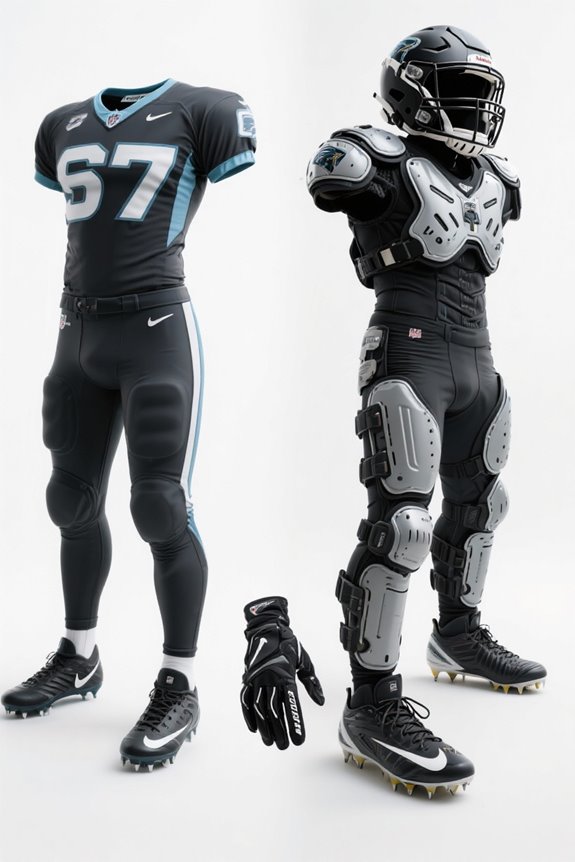
Defensive backs in football can be categorized into distinct types, each fulfilling specific roles that contribute to the team’s overall defensive strategy. The primary positions include cornerbacks, free safeties, and strong safeties. The free safety responsibilities involve acting as the last line of defense, while strong safety roles focus on supporting run defense and covering tight ends. Nickelback functions introduce a fifth defensive back, typically employed in passing situations to counteract multiple receivers. The dime back position further adds a sixth defensive back for very pass-heavy scenarios. Additionally, hybrid defensive backs combine traits from cornerbacks and safeties, adapting to various coverage schemes. Together, these roles enable a versatile and effective defensive lineup against diverse offensive tactics, which can be enhanced through the use of high-density foam training dummies that minimize injury risks during practice.
Recommended Products

REALISTIC FAIRWAY SIMULATION: With 110 ounces of nylon, this mat enables golfers to achieve that coveted Down-and-Through motion, replicating the experience of a genuine fairway. Dense nylon fibers, coupled with the 5/8” closed cell foam pad, deliver authentic feedback on all your shots, whether they're fat, thin, or pure.

GREAT FOR ANY LEVEL: These tackling dummies for football help Adult and Youth players develop the proper tackling techniques.
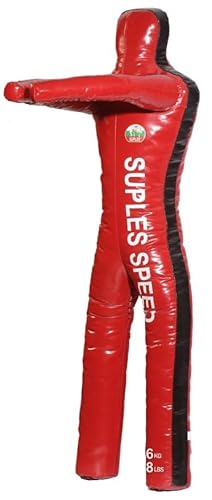
HIGH-SPEED TECHNIQUE TRAINING – The Suples Dummy *Speed (Legs) is designed to help athletes perform up to 3x more throws and techniques per session, improving muscle memory, speed, and technical mastery in both fast and controlled training modes.
Positioning on the Field
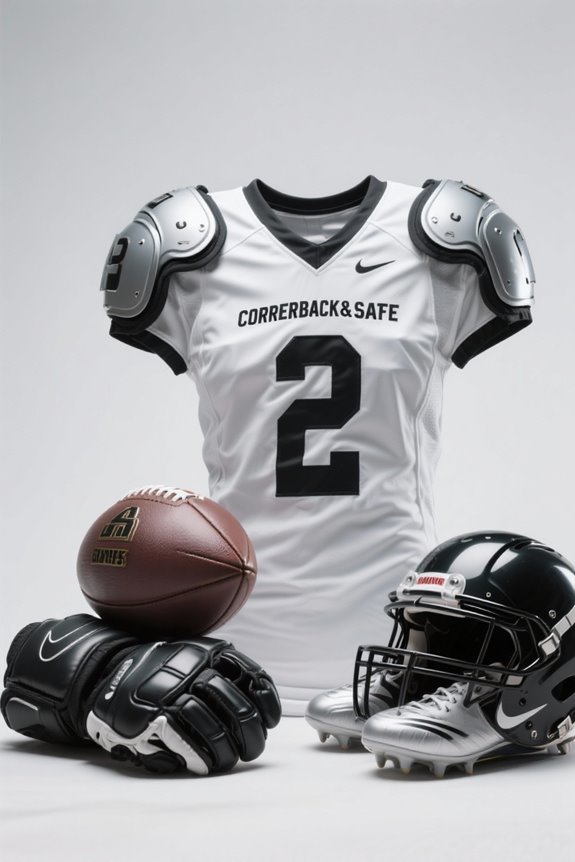
Positioning on the field is a critical aspect of a defensive back’s performance in football, as it greatly influences their ability to execute coverage and disrupt offensive plays. Defensive backs primarily align in the secondary, positioned behind linemen and linebackers, which allows them to defend against the pass effectively. Their field alignment varies based on the coverage scheme; for instance, they may adopt closer proximity for man coverage or maintain greater coverage depth in zone assignments. Strategic positioning is essential, as it prevents receivers from executing open routes. Additionally, defensive backs must continuously adjust their alignment to respond to offensive motions, ensuring they can quickly shift between various coverage responsibilities, thereby maximizing their defensive impact on the game. Effective organization and durability of their equipment, such as football bags, also plays a crucial role in their preparation and performance on the field.
Essential Skills for Defensive Backs
Successful performance in football for a defensive back relies heavily on a combination of specialized skills tailored to enhance defensive effectiveness. Essential footwork drills and agility training develop quick feet and smooth shifts, enabling defenders to change directions swiftly. Speed enhancement and explosiveness exercises, such as cleans, are important for first-step quickness and powerful reactions. Effective instinct development stems from in-depth film study, which allows players to anticipate offensive plays accurately. Maintaining a low pad and strong body control enhances stability while preparing for sudden movements. Proficient tackling techniques and refined ball skills, including catching and secure handling, are essential for successful defensive maneuvers and increased turnover opportunities. Overall, these skills create a formidable presence on the field. Additionally, understanding advanced grip technologies can significantly improve a defensive back’s ability to handle the ball during crucial moments.
Coverage Techniques and Strategies
Coverage techniques and strategies form the cornerstone of effective defensive play in football, enabling teams to thwart the offensive efforts of their opponents. Defensive backs utilize initial drop methods, such as backpedaling and slide stepping, to quickly assume their coverage positions. Man-to-man coverage emphasizes techniques like the hip-turn to maintain proximity to receivers while anticipating route breaks. Zone strategies, on the other hand, allow defensive backs to cover specific field areas, facilitating communication and teamwork when passing off receivers. Employing a larger cushion aids in reading plays effectively within their zones. Drills focused on improving these skills, including the Backpedal and Break Drill, refine their ability to respond promptly to offensive movements and maintain strategic positioning on the field. Additionally, incorporating impact absorption capabilities helps defensive backs strengthen their tackling techniques during practice.
Responsibilities Against the Pass
Defensive backs in football carry significant responsibilities against the pass, necessitating acute awareness and rapid decision-making during gameplay. Their effectiveness in pass coverage relies heavily on quarterback tracking and route recognition, enabling them to anticipate the offensive play. By employing interception techniques and maintaining proper coverage depth, defensive backs can position themselves favorably for potential turnovers. Quick reaction is crucial, as they must evaluate receivers’ movements and adjust responsibilities according to various defensive schemes. Game situational awareness informs their strategy, allowing for timely coverage adjustments while minimizing breakdowns. Additionally, defensive backs utilize tactical skills, such as breaking tackles and employing press techniques, to impede receiver routes, ultimately enhancing their team’s defensive performance against passing plays. Proper grip performance under conditions is essential for defensive backs to effectively tackle or block receivers during crucial moments of the game.
Recommended Products

First-to-Market - Hybrid Lineman Palm with BOOST+ Leather and Tack. Our proprietary BOOST+ Grip Technology is infused into the top-grade genuine leather palm, delivering elite-level feel and control. Activated by heat and pressure, it keeps you locked in through every point of contact. Reinforced Tack zones provide consistent, long-lasting grip and Palm Heel protection.

MAX Protection for Linemen – Full padded back and knuckle protection designed for trench warfare. Take every snap with confidence and control.

Breathable compression Lycra back delivers a performance fit. AVAILABLE IN FULL FINGER STYLE.
Supporting Run Defense
Supporting run defense requires defensive backs to execute precise recognition and tactical responses to offensive plays. Effective run recognition is essential, as defenders must quickly identify running schemes based on formations. Once recognized, they must adopt proper pursuit angles to redirect ball carriers toward the interior of the field. Block shedding techniques are vital, allowing defensive backs to engage blockers and reach the runner. Knowledge of defensive schemes, whether zone or man-to-man, guides how players position themselves for ideal leverage and coordination with teammates. Agility drills facilitate rapid shifts from coverage to run support, ensuring defenders can close gaps effectively. Collectively, these skills enhance the overall efficiency of run defense, minimizing opponents’ yards gained. Additionally, a solid grip when making tackles can be bolstered by using gloves that feature UA GlueGrip technology, improving performance on the field.
The Importance of Tackling
Tackling plays a pivotal role in football, serving as a fundamental skill required for defensive backs to effectively halt ball carriers and minimize potential yardage gain. Proper tackling techniques focus on aiming for the ball carrier’s midsection or thighs, guaranteeing greater success and reducing ineffective tackles. Through consistent tackling drills, defensive backs learn to keep shoulders square and their heads positioned safely to the side, enhancing both effectiveness and safety. The application of leg drive combined with a secure arm wrap guarantees that the ball carrier is stopped decisively, preventing further advancement. Ultimately, proficient tackling enhances overall defensive performance, complements coverage skills, and greatly limits the opportunity for offensive plays to develop, reinforcing the critical importance of this skill. Incorporating quality tackling dummies into training can significantly enhance athletes’ skills and ensure realistic practice scenarios.
Special Situations: Blitzing and Pressure
In football, the utilization of blitzing by defensive backs introduces a strategic layer of unpredictability that can effectively disrupt an opposing offense’s rhythm. Blitz execution by defensive backs involves speed and agility, allowing them to attack from unexpected angles. This technique exploits the offense’s focus on linemen and linebackers, creating immediate pressure on the quarterback. Successful pressure tactics depend on the deception and timing of the blitzing defensive backs, who must conceal their intent until the last moment. Balancing blitz timing with coverage responsibilities is vital to avoid leaving receivers open. As defensive schemes evolve, specialized blitz packages incorporating DBs have become essential tools in maintaining offensive confusion and enhancing overall defensive effectiveness during critical game situations. Effective training for defensive backs often involves using durability and material quality equipment that can withstand high-stress drills and ensure player safety.
Physical Attributes for Success
Success as a defensive back in football hinges considerably on a combination of essential physical attributes that enhance performance on the field. Speed training is fundamental, as elite defensive backs typically achieve 40-yard dash times of 4.4 to 4.5 seconds, allowing them to cover fast receivers effectively. Agility drills and balance exercises further improve quick footwork and hip fluidity, which enable seamless shifts and direction changes. Strength conditioning is vital for tackling and jamming receivers, while endurance building guarantees players can sustain high-intensity efforts throughout the game. Additionally, the development of motor skills contributes to executing intricate movements, minimizing false steps, and maintaining an advantageous position against opposing players, all of which are critical for successful defensive play. Incorporating agility ladder drills into training routines can significantly enhance foot speed and coordination for defensive backs.
Mental Acuity and Game Awareness
While physical attributes are undeniably important, the role of mental acuity and game awareness in a defensive back’s performance cannot be overstated. Defensive backs are required to engage in rigorous mental preparation, which includes studying opponents’ tendencies and understanding the defensive playbook thoroughly. Recognizing offensive keys enables them to anticipate plays pre-snap effectively. Focus techniques are essential, as they help maintain composure following mistakes, fostering resilience in high-pressure situations. This mental toughness allows defensive backs to bounce back from errors and focus on the current play rather than past failures. By developing instincts and awareness, they enhance their ability to disrupt offensive plays and make vital decisions that impact the game considerably.
Frequently Asked Questions
How Do Defensive Backs Communicate During a Game?
Like synchronized dancers, defensive backs communicate through hand signals and verbal cues, swiftly exchanging information amid the chaos. This harmony allows them to adjust their movements, ensuring cohesive coverage against opposing forces throughout the game.
What Are the Common Drills for Defensive Backs in Practice?
Common drills for defensive backs include backpedal drills to enhance agility and balance, coverage techniques that focus on shadowing receivers, as well as ball-tracking and tackling exercises aimed at improving overall defensive skills.
How Do Weather Conditions Affect Defensive Back Performance?
Weather impact considerably affects defensive back performance variability. Wet conditions hinder grip, while extreme temperatures influence agility and concentration. Additionally, wind alters ball trajectories, necessitating adjustments in techniques, thereby affecting overall play and effectiveness.
What Distinguishes a Successful Defensive Back From an Average One?
In a world where chess pieces moved on the gridiron, successful defensive backs excel through instinctual decision-making and superior physical conditioning, enabling them to anticipate plays and maintain effective coverage, outshining their average counterparts in critical moments.
How Do Defensive Backs Study Opposing Quarterbacks and Receivers?
Defensive backs study quarterback tendencies through extensive film analysis, identifying patterns in release timing and decision-making. They also chart receiver routes, noting common patterns and strengths, enhancing their preparedness for matchup challenges and situational drills.