As an Amazon Associate, we earn from qualifying purchases. Some links on this site are affiliate links at no extra cost to you. Our recommendations are based on thorough research and editorial judgment.


What Are The Different Linebacker Positions In Football?

In football, the linebacker positions include the Middle Linebacker (MLB), Strong-Side Linebacker (SLB), Weak-Side Linebacker (WLB), Inside Linebacker (ILB) in a 3-4 defense, and Outside Linebacker (OLB) in a 3-4 defense. Each position possesses distinct responsibilities in run defense and pass coverage. For example, the MLB is often the play caller, while SLBs and WLBs emphasize gap management. Understanding these roles is essential for grasping team dynamics and strategy, as further exploration reveals nuanced tactical applications.
Key Takeaways
- The Middle Linebacker (MLB) acts as the play caller, positioned centrally behind the defensive line, focusing on run defense and pass coverage.
- The Strong-Side Linebacker (SLB) lines up next to the tight end, managing run defense and covering short-to-intermediate passing routes effectively.
- The Weak-Side Linebacker (WLB) operates on the weak side, emphasizing sideline-to-sideline tackling and man-to-man coverage against offensive players.
- Inside Linebackers (ILB) in a 3-4 defense focus on managing gaps and communicating with teammates to thwart offensive plays.
- Outside Linebackers (OLB) in a 3-4 defense blend run defense and pass coverage, requiring adaptability and gap discipline to contain outside runs.
Middle Linebacker (MLB) / Mike Linebacker
The middle linebacker, often referred to as the Mike linebacker, occupies a critical position in American football, situated approximately 3 to 5 yards behind the defensive line, centrally aligned within the team’s defensive setup. This role demands astute middle linebacker tactics, as the Mike serves as the primary play caller, making adjustments based on the offensive formation. Known as the “quarterback of the defense,” the Mike linebacker exhibits exceptional leadership by communicating instructions and aligning teammates effectively. The position requires a strong blend of toughness, agility, and intelligence, allowing the linebacker to fulfill diverse responsibilities, including run-stopping, pass coverage, and blitzing. Consequently, a proficient Mike linebacker greatly enhances the overall defensive strategy and performance on the field. Additionally, strong performance in this position can be complemented by the use of advanced protective gear, such as mirrored football visors, which enhance vision and safety during play.
Recommended Products

Compatible with the Riddell Speedflex Helmet

Practice and Pre-Game Only

ASK YOUR COACH. Only 100% clear visors are approved by HS/NCAA rules for game use. Consult with your coach, so you know the rules before buying.
Strong-Side Linebacker (SLB) / Sam Linebacker

Strong-Side Linebackers, commonly referred to as Sam linebackers, play an essential role in a football defense by aligning on the strong side of the offensive formation, typically adjacent to the tight end. This strong side alignment allows the Sam linebacker to effectively manage run defense responsibilities, tackling head-on challenges posed by lead blockers. Additionally, they are tasked with specific gap assignments that require them to jam up running lanes irrespective of offensive movement. In addition to their run-stopping duties, Sam linebackers also contribute to pass defense by covering short-to-intermediate routes, particularly those involving tight ends and running backs. Their responsibilities demand a combination of size, strength, agility, and an acute football IQ to adjust pre-snap against various offensive formations. A 5-pad girdle can provide adequate protection and support during intense play.
Weak-Side Linebacker (WLB) / Will Linebacker

Situated on the weak side of the offensive formation, the Weak-Side Linebacker, commonly known as the Will linebacker, assumes a pivotal role within a football defense. The WLB typically aligns about 3-5 yards off the line of scrimmage, opposite the strong side linebacker. This position requires adept weak side responsibilities, as the WLB flows sideline-to-sideline to tackle ball carriers and disrupt offensive plays. Employing effective WLB tactics, the linebacker frequently engages in man-to-man coverage against running backs or tight ends and may act as an extra blitzer in certain schemes. In addition, the position demands a balance of speed, agility, and vision, allowing the WLB to support both run defense and pass coverage effectively, thereby enhancing the overall defensive scheme. Choosing high-quality materials for shoulder pads is essential to ensure adequate protection as they navigate their roles on the field.
Recommended Products
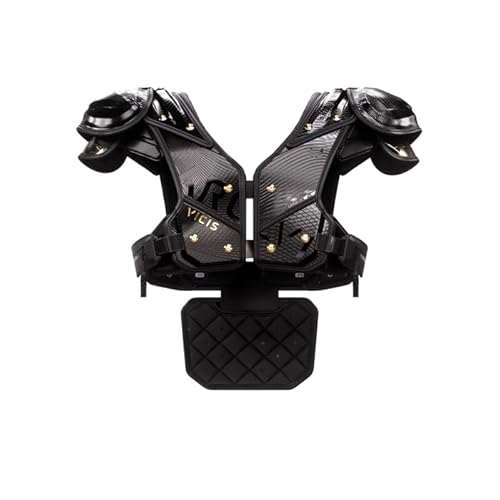
Shoulder Width Sizing - Small (16"-17"), Medium (17"-18"), Large (18"-19"), XL (19"-20"), 2XL (20"-21"), 3XL (21"-22")

Medium + Super Skill Combination: Configured with - Super Skill Arch, Super Skill Epaulets, Super Skill Cups and a Skill 3/8” Shoulder Foam. Each shoulder pad and size combination is uniquely configured by our experts to ensure maximum safety and performance for your exact needs on the field.

PROTECTION FOR TOUGH POSITIONS: TAG ALT4-950 shoulder pads feature high-impact polycarbonate epaulets and NV815 super foam for top energy absorption, built specifically for running backs, linebackers, fullbacks and defensive backs.
Inside Linebacker (ILB) in 3-4 Defense

Inside linebackers (ILBs) play an essential role within the structure of a 3-4 defense, serving as the primary defenders against running plays while also contributing to pass coverage responsibilities. Typically aligned 4-5 yards behind three defensive linemen, ILBs are responsible for A and B gap responsibilities, reading offensive plays, and executing ILB communication strategies effectively. Their success hinges on strong ILB play recognition, allowing them to identify schemes involving uncovered guards or fullbacks. In addition to ILB tackling drills that build proficiency in stopping runs, they are expected to adapt their ILB coverage techniques based on the offensive formation. This adaptability enhances the defense’s ability to counter various offensive strategies, reinforcing the ILB’s vital role in maintaining defensive stability. Moreover, utilizing effective impact absorption capabilities during tackles is critical for preventing injuries and ensuring player safety.
Recommended Products

Material and Size: taking into consideration the football dummy's quality, you'll find it's made of quality PVC sandwich cloth and filled with a high density sponge, ensuring it can withstand intense training; Measuring around 42 x 12 x 6 inches, this step over dummy football presents the ideal size for realistic training

VERSATILE DUMMY FOR SPORTS TRAINING - Step Over Dummy Perfect for Footwork Drills for a Variety of Sports Including Football, Soccer, and More
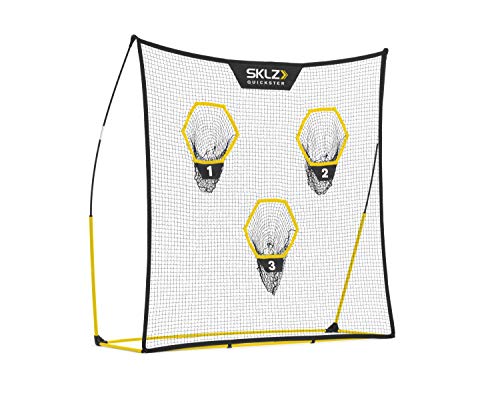
7-foot portable net football trainer helps quarterbacks improve passing strength and accuracy with three targets positioned in key receiving areas
Outside Linebacker (OLB) in 3-4 Defense

Outside linebackers (OLBs) in a 3-4 defense play a pivotal role in both run defense and pass coverage, as they are tasked with containing running plays to the outside edges of the field, specifically within the D-gap. They often align closer to the line of scrimmage, allowing them to execute various OLB techniques, including effective pass-rushing and blitzing strategies. OLB training emphasizes maintaining gap discipline to respond swiftly to offensive tactics while setting the edge on runs. Additionally, OLBs are responsible for covering tight ends and running backs, which requires adaptability between pass rush and coverage duties. Their combined attributes of speed, strength, and agility are critical for fulfilling these multifaceted responsibilities effectively. Training sessions might also incorporate drills using quarterback training nets to enhance their ability to disrupt passing plays.
Recommended Products

KIDS WEIGHT BENCH - Both the kids’ bench frame and barbell are made of sturdy, powder-coated steel to give this play gym the strength it needs to stand up to daily use in your child's playroom as they pretend to lift weights just like you.

Weight Bench for Kids: Both the kids workout bench frame and barbell are made of sturdy steel to give this indoor play gym the strength it needs to stand up to daily use in your home as they pretend to lift weights just like you.

3-IN-1 KIDS FITNESS SET: Dumbbell, barbell, and kettlebell in one fun kit so kids can switch exercises, stay active, and feel like real lifters while building confidence and coordination at home.
Hybrid Linebacker Roles
As football continues to evolve, hybrid linebacker roles have gained prominence within various defensive schemes, particularly due to their adaptability and importance in responding to diverse offensive strategies. These hybrid linebacker schemes, encompassing positions like Middle Linebacker (MLB), Inside Linebacker (ILB), and Strongside Linebacker (SLB), require unique skill sets. For instance, MLB hybrids serve as the defensive “quarterback,” managing play calls while combining run-stopping duties and pass coverage. Similarly, ILBs in 3-4 defenses alternate between run defense and short zone coverage. Additionally, communication technology such as cell phone communication has enhanced coordination among players, allowing hybrid linebackers to quickly adjust their roles during games. Overall, these evolving linebacker roles reflect football’s increasing complexity and strategic depth. As the game advances, grip technologies in football gloves have also influenced how players, including hybrid linebackers, equip themselves for superior performance on the field.
Versatile Linebacker Responsibilities
Linebackers in football assume versatile responsibilities that are vital to a team’s defensive success, particularly given the diverse nature of modern offensive strategies. These players must execute coverage adjustments to effectively guard various offensive players, including receivers and tight ends. They engage in blitz recognition, identifying opportunities to pressure the quarterback or disrupt offensive plays. Furthermore, linebackers fill specific gaps to thwart running threats, read play flow for defensive positioning, and tackle ball carriers decisively. They also adjust their tactics based on pre-snap motions and formations presented by the offense. As key communicators, linebackers relay defensive calls and lead in on-field alignments, embodying a significant link between linemen and the secondary. In addition to this, their adaptability makes them crucial for understanding defensive strategies that can limit offensive effectiveness.
Common Skills Required for Linebackers
In the domain of football, linebackers are required to possess a myriad of skills that contribute significantly to their effectiveness on the field. Essential tackling fundamentals, refined through tackling drills, enable players to execute safe and effective tackles, minimizing yardage gains. High football IQ is essential for recognizing offensive formations and anticipating play direction, which aids in achieving ideal defensive alignment. Sideline containment becomes necessary, allowing linebackers to cover the entire field and maintain responsibility for the running lane. Additionally, proficiency in various coverage schemes, including man-to-man and zone, is required to defend against passing attacks. Finally, block shedding techniques are paramount, enabling linebackers to disengage from blockers and execute tackles efficiently, ensuring defensive success. Investing in quality tackling dummies is beneficial as it enhances the effectiveness of these fundamental skills through targeted training.
The Role of Linebackers in Run Defense
Serving as an essential component of defensive strategies, the role of linebackers in run defense encompasses various responsibilities important for stopping the opposing team’s ground game. Linebackers are primarily tasked with reading blocking schemes and ball carrier movements, employing effective run defense techniques to tackle runners efficiently. Their positioning is significant; inside linebackers typically fill gaps, while outside linebackers set the edge to prevent cutbacks. Discipline in run fits is imperative, as it allows them to occupy assigned gaps and clog running lanes effectively. Additionally, successful linebackers excel at shedding blocks, utilizing leverage and proper technique, all while maintaining awareness of offensive movements to react accordingly. This combination of positioning, technique, and read-and-react skills is essential for a robust run defense. Moreover, effective ventilation in high-quality materials can help enhance player performance by ensuring they remain cool and focused during the game.
The Role of Linebackers in Pass Defense
While defending against the pass, linebackers play a vital role, acting as intermediate zone defenders positioned strategically between the defensive line and the secondary. Their responsibilities include covering short and intermediate routes, requiring them to drop back into coverage zones, sometimes five yards or more. Linebackers use various coverage techniques, including man-to-man assignments against tight ends, running backs, or slot receivers. Effective linebacker communication is essential, as they must quickly read offensive formations and adjust their responsibilities accordingly. Inside linebackers, often considered the “quarterbacks of the defense,” relay coverage calls to teammates. The importance of adaptability in both coverage techniques and communication cannot be understated, especially against increasingly versatile, pass-heavy offenses that challenge traditional defensive strategies. Linebackers also benefit from injury prevention features that provide enhanced stability during dynamic movements.
Blitiz Strategies for Linebackers
Blitz strategies for linebackers are vital components of a defense’s ability to apply pressure on the opposing offense, effectively disrupting plays before they gain momentum. By employing blitz timing, linebackers can enhance their effectiveness during a play, allowing them to penetrate the offensive line rapidly or execute a run blitz effectively. It is essential for linebackers to maintain gap discipline, ensuring that they do not vacate their assigned lanes, which could create opportunities for successful runs. Various blitz types, such as the storm blitz or Leo loop, involve coordinated movements that exploit offensive weaknesses, often creating mismatches. Additionally, consistent training with blocking pads develops necessary techniques, enabling linebackers to shed blocks and successfully execute their blitzes.
Covering Tight Ends and Running Backs
Effective coverage of tight ends and running backs is an essential responsibility for linebackers, as they bridge the gap between the defensive line and the secondary. Linebackers, particularly in man-to-man or zone coverage, must shadow these players on passing routes, adapting their techniques based on alignment and route tendencies. Inside linebackers, or Mike linebackers, often play close to the line of scrimmage to react quickly to RBs, while outside linebackers (OLBs) manage edge responsibilities against TEs. Effective linebacker coverage demands a blend of physicality and agility, enabling them to tackle opponents after the catch. Additionally, employing sound tackle techniques is vital to minimize yards after catch and maintain control over field positioning, impacting the overall defensive strategy.
Key Attributes of Successful Linebackers
Success in the linebacker position hinges on a combination of physical attributes, mental acuity, and technical skills, all of which contribute to a player’s overall effectiveness on the field. Key physical traits include athleticism, strength, and stamina, enabling linebackers to perform various responsibilities, from tackling to blitzing. Mental skills such as play recognition and decision-making allow linebackers to anticipate opponents’ actions. Regarding technical aspects, proficiency in tackling, pass coverage, and block shedding is crucial. Linebacker training often emphasizes these elements through rigorous linebacker drills designed to enhance performance. Psychological traits, including competitiveness and situational awareness, further elevate a linebacker’s impact, with effective communication being essential for coordinating defensive strategies on the field.
The Evolution of Linebacker Positions in Modern Football
How has the linebacker position in football transformed over the years? The evolution of linebacker positions reflects a significant shift in linebacker history, influenced by changes in defensive strategies. Initially, linebackers primarily focused on stopping the run, but as the game evolved, their roles expanded to include pass coverage and quarterback pressure. Modern linebackers are now exceptionally athletic, requiring agility to handle versatile offensive players. The rise of nickel and dime defenses has further transformed their function, necessitating hybrid skills akin to defensive backs. This shift towards positionless football emphasizes adaptability, where linebackers blend traditional responsibilities with modern coverage techniques. Consequently, they play vital roles in increasingly complex defensive schemes, demonstrating a pronounced evolution from their historical origins.
Frequently Asked Questions
How Do Linebacker Roles Differ in Various Defensive Schemes?
In contrasting defensive schemes, linebackers’ roles vary considerably; while zone coverage emphasizes pass protection, blitz packages focus on aggressive quarterback pressure. This duality demands each linebacker adapt to shifting responsibilities and evolving offensive threats.
What Conditioning Drills Are Best for Linebackers?
For linebackers, effective conditioning techniques include speed and agility drills, strength training exercises, and cardiovascular conditioning. Drill variations such as sled pulls and interval training enhance performance, ensuring readiness for the dynamic demands of their position.
How Do Linebackers Communicate During a Game?
Linebackers communicate through signal calling and hand gestures, facilitating defensive adjustments. They coordinate pre-snap alignments and reactions to offenses. This dynamic communication guarantees timely responses to evolving plays, enhancing their effectiveness on the field.
What Are Common Misconceptions About Linebacker Positions?
Common misconceptions about linebacker responsibilities include the belief they have fixed roles and are merely run-stoppers. Linebacker stereotypes often overlook their versatility, requiring a mix of speed, strength, and intelligence for diverse situational demands.
How Has the Role of Linebackers Changed Over the Years?
Overcoming the notion that linebackers remain static, their roles have transformed dramatically. Evolutionary tactics now encompass modern responsibilities like hybrid play, necessitating rapid adjustments and enhanced athleticism to counter increasingly dynamic offensive schemes.