As an Amazon Associate, we earn from qualifying purchases. Some links on this site are affiliate links at no extra cost to you. Our recommendations are based on thorough research and editorial judgment.

What Is The Best Draft Strategy For Fantasy Football?

The best draft strategy for fantasy football emphasizes understanding positional priorities and scarcity. Managers should focus on early selections of elite running backs and wide receivers to capitalize on limited options, thereby optimizing roster strength. Additionally, a thoughtful approach towards quarterback selection, evaluating player talent against opportunity, and adapting to draft dynamics are essential. As the draft progresses, awareness of value shifts considerably impacts decisions, ensuring effective team assembly. Further insights into these strategies can enhance overall performance.
Key Takeaways
- Prioritize early-round selections of running backs and wide receivers to maximize roster strength due to positional scarcity.
- Use a draft strategy like Hero RB or Modified Zero-RB to balance risk and reward across positions.
- Monitor draft runs and be adaptable, adjusting your selections based on player availability and market demand.
- Target high-volume players with substantial touches to ensure reliable scoring and fantasy production.
- Stay informed on team dynamics and news to assess player opportunities and potential impact on performance.
Understanding Positional Priorities
Understanding positional priorities is essential for fantasy football participants, as the strategic selection of players can considerably impact team success. Running backs (RBs) and wide receivers (WRs) command early-round attention due to positional scarcity and consistent scoring volume. Elite RBs, particularly those involved in high-powered offenses, provide substantial value, especially in points per reception (PPR) formats, making them critical drafting targets in Rounds 2-3. In contrast, WRs, while generally deeper in later rounds, offer stable performance, necessitating a balance of WR1 and WR3 selections. Effective drafting strategies require an agile approach to adjust based on run dynamics, ensuring a strong foundation while maximizing overall roster flexibility for deeper positions like tight ends and quarterbacks. Additionally, integrating mental training techniques can enhance player performance, leading to a more successful fantasy season.
Crafting a Winning Quarterback Strategy
When crafting a winning quarterback strategy, fantasy football managers must consider the timing of their selections, as the decision to draft a quarterback can greatly influence overall roster composition and weekly performance. Early-round selections of elite quarterbacks like Lamar Jackson provide stability, reducing the need for streaming quarterbacks, while ensuring consistent scoring. In contrast, managers may opt for a late-round strategy, targeting two quarterbacks: one with high potential and another for reliability, maximizing depth and focus on skill positions. Mid-round targets, such as Jalen Hurts, deliver solid performance without sacrificing key early picks. Effective quarterback evaluation is essential, ensuring a balanced approach that avoids positional overload, ultimately securing a competitive advantage throughout the fantasy season. Incorporating tools like weighted footballs for arm strength can further enhance a quarterback’s skill set, providing him with the physical readiness to excel in both fantasy and real-game scenarios.
Mastering the Running Back Approach
Mastering the running back approach in fantasy football requires an acute awareness of player dynamics, draft timing, and league trends to effectively navigate the complexities of this high-impact position. One popular strategy is the Hero RB approach, where managers select a top-tier running back early, ensuring a reliable asset. Alternatively, the Modified Zero-RB strategy emphasizes drafting elite wide receivers first, minimizing the exposure to running back injuries. Late-round targets, such as TreVeyon Henderson and Aaron Jones Sr., can provide significant upside, especially as they assume larger roles during the season. Given the inherent fragility of running backs, analyzing player durability and maintaining a balanced roster can enhance overall team performance, reducing the risks associated with injuries and performance fluctuations. Additionally, considering the high visibility from reflective properties of players during later drafts can help managers spot potential undervalued assets.
Optimizing Your Wide Receiver Selection
Optimizing wide receiver selection in fantasy football requires a strategic approach that balances positional scarcity, draft capital allocation, and the overall composition of a team. Understanding Wide Receiver Tiers is essential, as targeting elite receivers in the early rounds offers high-scoring potential, particularly in PPR formats. Balancing this with running back needs is critical, given the league’s roster requirements. Mid-to-late rounds present viable opportunities for value picks, with many competent WRs available. Draft Day Strategies should involve selecting high-volume target receivers or emerging talents to maximize upside while preserving resources. Ultimately, allocating early picks to secure consistent production alongside complementary mid-round selections fosters a robust roster capable of adapting to varying game situations throughout the season. Additionally, considering moisture-wicking technologies in player performance can help identify receivers who may thrive in high-intensity games.
Recommended Products

960 PAIRS WHOLESALE BULK PACK : Never run out of socks again! Each pack includes 960 pairs of ankle socks for men. These socks are made with a quality polyester blend making them perfect for the casual wearer or even athlete. These ankle socks will easily become your favorite socks for everyday wear.
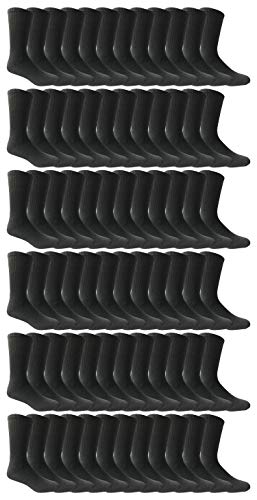
Each bulk pack of socks will includes 180 pairs of mens crew socks. Choose from solid colors including white, black, or gray sports socks. With 180 pairs, you will never have to worry about running out of athletic socks again!

Material: Mens athletic socks are made of high quality polyester fiber, which helps quickly absorb moisture and release sweat. The arch mesh fabric is breathable and can release heat, keeping feet dry all day.
Navigating the Tight End Landscape

Maneuvering the tight end landscape in fantasy football presents challenges due to the importance of positional value and varying talent tiers available in drafts. The tight end tiers consist of elite options, such as Brock Bowers and Trey McBride, typically drafted in late Round 2 or early Round 3. Selecting these players can stabilize a fantasy roster due to their potential to average over 15 PPR points per game. However, mid-tier tight ends like Dalton Kincaid and Dallas Goedert offer solid, albeit limited, production if drafted later. Players targeting upside may consider late-round sleepers, enhancing their roster’s depth. Speed parachutes improve sprinting power and acceleration, which can indirectly correlate to how tight ends perform in their routes. Understanding tight end tiers and employing effective drafting strategies can greatly influence a team’s success throughout the season.
Adapting to Draft Dynamics and Scarcity
Adapting to draft dynamics and understanding player scarcity are essential components of a successful fantasy football draft strategy, especially in a landscape crowded with diverse player talent across various positions. Recognizing positional scarcity, particularly with running backs, is critical; early selections in scarce positions can provide a foundation for success. Teams must engage in reactive drafting, diligently tracking draft runs to make timely adjustments. Monitoring these dynamics allows for effective value assessments, especially as positions like quarterback have more available options. As player availability diminishes during the draft, the relative value of scarce positions increases, guiding mid-to-late round choices. Consequently, a successful draft strategy relies on flexibility and up-to-date awareness of value shifts, honing in on scarcity influences. Understanding traction capabilities is also vital, as players with higher potential can often turn a game in your favor.
Implementing Draft Capital Allocation
When planning for a successful fantasy football draft, implementing a clear and structured approach to draft capital allocation is vital for maximizing roster potential. Establishing a draft budget is fundamental; for instance, allocating 35-45% of funds to running backs and wide receivers guarantees proper investment in key positions. It is important to maintain capital flexibility, allowing room for adjustments based on player value during the draft. Prioritizing high-tier players early enhances a team’s foundation, while late-round selections should focus on depth and value. Additionally, allocations should adapt to league formats, reflecting positional scarcity. By steering draft capital with strategy, managers can optimize their teams, balancing immediate talent with long-term roster viability. Furthermore, recognizing the performance impact of player selection can significantly enhance overall team success.
Evaluating Talent vs. Opportunity in Player Selection
In evaluating talent versus opportunity during player selection, fantasy football managers must recognize the notable impact of positional scarcity and player volume on success. Positional scarcity, particularly at running back and wide receiver, considerably influences player value, as indicated by scoring metrics. Early rounds should prioritize these positions to optimize roster construction. Additionally, high-volume opportunities often correlate with fantasy success; players receiving substantial targets and touches tend to deliver reliable scoring. Player projections informed by past season performance and preseason usage trends help identify those with favorable opportunities. Managers must also consider the potential impact of team dynamics, such as new systems or roles, on player opportunities, as these factors can drastically affect a player’s fantasy yield. Moreover, understanding grip performance under conditions can also aid in selecting players who may excel in various game environments.
Frequently Asked Questions
How Do I Handle a Draft With Superflex or Two-Qb Formats?
In superflex or two-QB formats, one should address quarterback scarcity by securing elite QBs early and balancing the roster with RBs and WRs in mid-to-late rounds to guarantee overall depth and versatility throughout the season.
What Should I Consider When Drafting in a Keeper League?
In the intricate dance of keeper leagues, one must weigh keeper priorities against player longevity. Prioritizing youth with breakout potential while balancing immediate needs crafts a resilient roster for both today and tomorrow’s victories.
How Can I Best Utilize a First Overall Pick?
To best utilize a first overall pick, one should prioritize elite wide receivers while considering running backs’ positional scarcity. Assess draft tiers and player projections to maximize draft capital, ensuring strong foundational depth for the roster.
Should I Focus on Upside or Floor in Early Rounds?
In a game of high stakes, choosing upside players early can be akin to chasing a fleeting comet. The thrill of potential eclipses safety; however, balancing with floor players guarantees a steady foundation amid uncertainty.
How Do Bye Weeks Affect My Draft Strategy?
Bye week importance greatly influences draft strategy, necessitating roster balancing. A well-planned approach minimizing overlapping player byes guarantees stronger weekly lineups while maintaining competitive performance throughout the season, thereby reducing vulnerabilities from injuries and bye week challenges.


