As an Amazon Associate, we earn from qualifying purchases. Some links on this site are affiliate links at no extra cost to you. Our recommendations are based on thorough research and editorial judgment.


How Does Fantasy Football Work For Beginners?

Fantasy football is a strategic game where participants assemble fictional teams using real NFL players, earning points based on their actual performances. Players compete in various league formats, such as redraft, keeper, or dynasty leagues. The fundamental draft process can follow snake or auction methods. In managing their rosters, players must analyze performance trends and set ideal lineups weekly. Understanding scoring systems and developing winning strategies are essential for success, with further insights available for interested individuals.
Key Takeaways
- Fantasy football involves creating a fictional team using real NFL players and earning points based on their performance during actual games.
- Players participate in drafts to select their team members, with formats including snake drafts or auction drafts for player acquisition.
- Roster management is essential; it includes setting lineups, utilizing the waiver wire for new talent, and making trades throughout the season.
- Scoring systems vary, primarily between Standard and Points-Per-Reception (PPR), affecting player value and strategy decisions.
- Researching player performance metrics, matchups, and utilizing analytics tools can enhance decision-making and improve competitiveness in your league.
What Is Fantasy Football?
Fantasy football represents a strategic game in which participants assume the roles of team owners and managers, forming fictional football teams from actual NFL players. This fantasy overview elucidates the competitive nature of the game, where points are earned based on real-life statistical performance of selected players during NFL games. Key game mechanics include an initial draft, where participants select their rosters, and weekly matchups that determine winners based on accumulated fantasy points. Scoring typically involves metrics such as passing yards, touchdowns, and interceptions. The objective is to outperform opponents weekly and ultimately secure a championship through playoff victories. This engagement adds a dynamic layer to the NFL season, enhancing fan interaction through strategic roster management and competition. Additionally, having a solid understanding of player performance metrics can give participants a significant edge in their drafting and weekly lineup decisions.
Types of Fantasy Football Leagues
Various types of fantasy football leagues exist, each offering unique structures and gameplay experiences that cater to diverse participant preferences. Redraft strategies involve drafting new rosters annually, popular among beginners. Keeper Leagues allow a specific number of retained players across seasons, blending redraft and long-term strategy. In contrast, Dynasty Leagues maintain nearly all players, emphasizing deep strategic planning and annual rookie drafts. Daily Fantasy football facilitates short-term contests focused on weekly or daily outcomes, featuring unique salary-cap drafts without roster continuity. Auction Leagues implement a bidding system for player acquisition, expanding essential strategies. Additionally, specialty formats like Guillotine Leagues and Best Ball Leagues introduce creative gameplay methods, appealing to both casual and competitive players in the fantasy football landscape. Understanding various playing surfaces for player performance can enhance strategy selection in these leagues.
The Draft Process Explained
The draft process in fantasy football serves as a critical foundation for constructing competitive teams, as participants navigate through either snake or auction drafts to select their rosters. In snake drafts, teams pick in a fixed order that reverses each round, allowing equitable access to players, while in auction drafts, teams use budget-based bidding strategies to acquire players. Each draft type influences roster construction, with standard leagues typically involving 15-16 rounds, covering essential positions such as quarterback, running back, and wide receiver. Auction strategies necessitate careful budget management to secure high-value players without compromising roster depth. Successful player selection depends on understanding positional scarcity and predicting opponents’ strategies, ensuring a well-rounded team emerges from the drafting process. Additionally, understanding the importance of player performance technology can greatly enhance drafting success by highlighting athletes who excel in various sports contexts.
Recommended Products
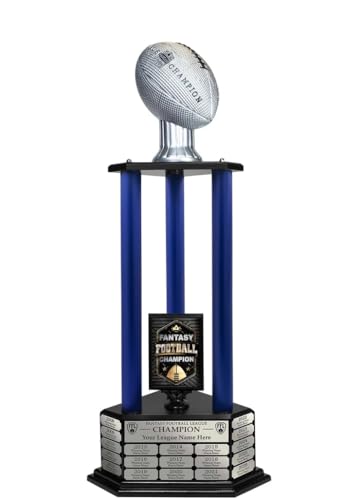
CROWN YOUR CHAMPION IN STYLE - Celebrate fantasy football dominance with the TrophySmack 36" Tall, 19-Year Perpetual Championship Trophy – Silver Football—a bold, customized symbol of victory that turns heads and demands respect

EXCLUSIVE TROPHYSMACK DESIGN: Exclusively designed and manufactured by TrophySmack, Our Perpetual Fantasy Football Trophy is not for the faint of heart.

BECOME A LEGEND. OWN THE BELT. Crown your Fantasy Football dominance with the TrophySmack Custom Championship Belt—the ultimate award for true champions. Weighing 6 lbs and fitting sizes from 37"–49" waist, this solid metal beast of a belt with a 9”x13” main plate is a brutal reminder of how completely you destroyed the competition - built to last and designed to impress.
Building Your Fantasy Team
Constructing a competitive fantasy football team requires careful consideration of multiple factors, as participants must navigate league settings, roster requirements, and player selections to build a strong foundation. To achieve roster optimization, beginners should first familiarize themselves with league fundamentals, such as the number of teams, roster sizes, and scoring formats. Understanding player rankings is essential, particularly in evaluating positional value based on league format, such as PPR or standard scoring. Participants should prioritize high-quality starters in shallow leagues or depth in deeper formats, especially for injury-prone positions like running backs and wide receivers. Furthermore, evaluating players with high upside and monitoring draft trends will enhance overall team performance, leading to a more effective fantasy football strategy. Additionally, incorporating strategic insights from strength training for football can provide a competitive edge in understanding players’ physical preparedness and potential performance.
Managing Your Roster Throughout the Season
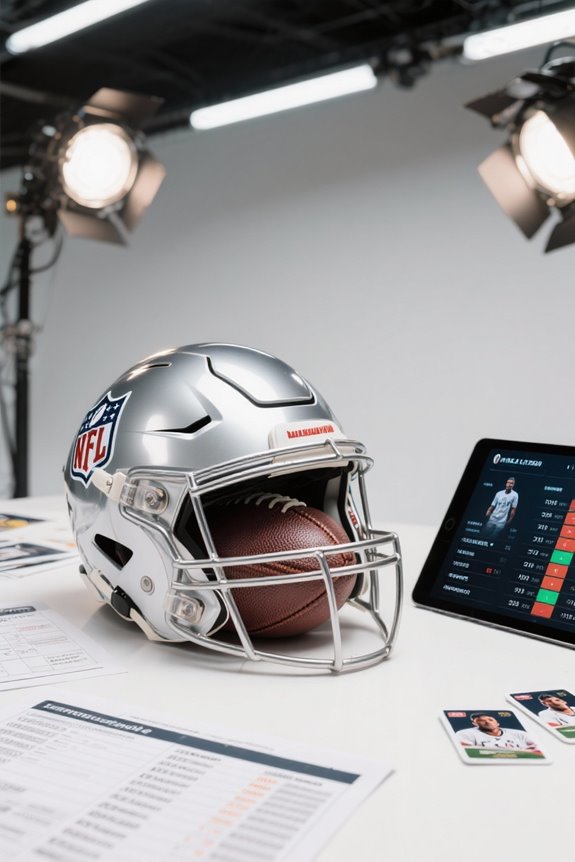
Successfully managing a fantasy football roster throughout the season necessitates a strategic approach, as participants must adapt to changing circumstances, including player performance, injuries, and bye weeks. Players should regularly assess their lineup decisions, especially when monitoring performance trends and injury reports. Understanding lineup locks prevents last-minute mishaps, ensuring that users field healthy athletes. The waiver wire becomes vital for securing emerging talent, allowing managers to enhance their rosters. Additionally, planning for bye weeks is essential for maintaining a competitive lineup. Utilizing analytics tools to predict player success based on matchups and historical data aids in effective decision-making. Continuous evaluation and flexibility throughout the season, including tracking red-zone targets, bolster roster management effectiveness. Incorporating speed training techniques can also help players improve their physical performance and durability, further enhancing their value to your fantasy team.
Scoring Systems Overview
Understanding the various scoring systems in fantasy football is essential for participants, as these systems directly influence player valuation and strategic decisions throughout the season. The two primary scoring formats are Standard and Points-Per-Reception (PPR). In Standard scoring, participants earn points primarily through touchdowns and yardage, with no points awarded for receptions. Conversely, PPR scoring awards one point per reception, enhancing the value of catching ability. Point variations can also occur among defensive and special teams, where scoring includes factors such as sacks, interceptions, and points allowed. Additionally, optional bonus scoring settings may introduce further complexity to point calculations. Familiarity with these scoring formats is vital for effectively maneuvering leagues and maximizing player performance, particularly as budget constraints and player valuation strategies impact roster decisions.
Strategies for Success in Fantasy Football
Effective strategies for success in fantasy football require a careful blend of analytical rigor, roster management, and tailored draft preparation. Utilizing analytics strategies, players should analyze historical performance data, focusing on metrics like yards per carry and red-zone opportunities to identify undervalued players. Roster diversification is vital; a balanced lineup of “maverick” players alongside consistent performers mitigates weekly point volatility. Active roster management throughout the season is essential, requiring adjustments in response to injuries and emerging talent. Tailoring draft preparations to specific league formats enhances positional value awareness, preventing common pitfalls linked to past performances. Continuous monitoring of player performance and situational contexts further aids in making informed strategic decisions, ultimately enhancing competitiveness in the league. Additionally, incorporating effective route running techniques can help improve players’ decision-making, leading to better performance outcomes.
Frequently Asked Questions
How Do League Members Communicate During the Season?
League members communicate during the season through team chats for trade negotiations, weekly updates shared via social media, and collaborative discussions on platforms facilitating real-time interaction, enhancing engagement and camaraderie among participants.
What Happens if a Player Gets Injured?
Like a storm disrupting a calm sea, an injury forces a player to the sidelines. Coaches quickly navigate the waiver wire, searching for injury replacements to stabilize their rosters and maintain competitive balance amidst chaos.
Can I Participate in Multiple Leagues Simultaneously?
Yes, participating in multiple leagues simultaneously is common and allows for varied league dynamics. Players can develop unique strategies in each league, enhancing their overall experience while maneuvering through different rosters, formats, and competitive environments.
What Is the Best Time to Draft Players?
The ideal timing for drafting players generally occurs in late August to early September. This draft strategy allows for better insights into player conditions and final roster adjustments, minimizing risk and maximizing potential team value.
Are There Fees Associated With Joining a Fantasy League?
Joining a fantasy league can feel like purchasing an exclusive club membership, with fees ranging from budget-friendly to wallet-busting. Various league types cater to everyone, ensuring that entry fees never ruin the fun—just the bank account.


