As an Amazon Associate, we earn from qualifying purchases. Some links on this site are affiliate links at no extra cost to you. Our recommendations are based on thorough research and editorial judgment.


What Are The Penalties In American Football And Their Consequences?

In American football, penalties are infractions that can lead to yardage losses, automatic first downs, and disrupted strategies. Common penalties include false start, offsides, and offensive holding, each impacting game flow and team performance. Defensive penalties like pass interference and roughing the passer grant first downs, shifting momentum. Personal fouls such as unnecessary roughness may result in ejection. Accumulating penalties can particularly hinder scoring chances and team morale, influencing the outcome of games. Additional insights on penalties follow.
Key Takeaways
- False Starts and Offsides: Each results in a 5-yard penalty, disrupting offensive momentum and requiring a replay of the down.
- Offensive Holding: A 10-yard penalty that can stall drives, adversely affecting field position and offensive strategies.
- Defensive Penalties: Such as defensive holding grant the offense an automatic first down, shifting game momentum significantly.
- Personal Fouls: Unnecessary roughness and targeting incur 15-yard penalties, potentially leading to player ejections and safety concerns.
- Impact on Game Flow: Accumulated penalties can disrupt gameplay, worsen pacing, and negatively influence team performance and morale.
Most Common Penalties
In American football, various penalties can significantly impact the flow and outcome of a game, with five penalties frequently observed during play. Among these, the False Start Analysis reveals how offensive players may move prematurely, resulting in a 5-yard penalty that disrupts the offensive rhythm and timing of the game. Similarly, the Offsides Impact occurs when a player crosses the line of scrimmage before the snap, awarding a 5-yard penalty and providing an advantage to the opposing team. Both penalties force a replay of the down, hindering offensive strategies and impacting clock management. Other common penalties include Offensive Holding, Delay of Game, and Illegal Formation, all contributing to complications in executing plays effectively and maintaining momentum throughout the game. Additionally, optimal protection during games is crucial to minimize the risk of injuries arising from penalties and player collisions.
Recommended Products
![FORZA 10ft x 6.5ft Futsal Soccer Goal [3m x 2m] | Ultra-Durable & Weatherproof uPVC with Quick & Easy Assembly - Optional Ball, Target Sheet & Carry Bag (Goal, Ball, Target Net and Bag)](https://m.media-amazon.com/images/I/71O4ToTBDLL._SL500_.jpg)
FOR SMALL-SIDED MATCHES & BACKYARD GAMES - Experience the authentic thrill of futsal in your backyard with this regulation-sized 10ft x 6.5ft FORZA Futsal Soccer Goal, meticulously designed for intense small-sided matches and dynamic backyard games.
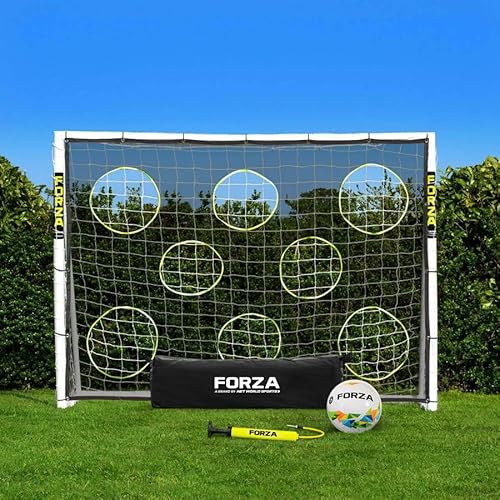
THE ULTIMATE YARD GOAL – This 8ft x 6ft FORZA Soccer Goal is the perfect addition to your backyard, providing endless fun and excitement for everyone. FORZA Goals are Manufactured & Assembled in the Great Britain – serious goals for serious play. Not a flimsy throw-away alternative.

FITS ANY REGULATION 24x8 FT SOCCER GOAL — NO GOAL INCLUDED: Designed to attach cleanly over any standard full-size 24x8 ft solid-frame soccer goal. Secure attachment around posts with center straps keeps it taut and in position. Removes in seconds and stores flat in the included carry bag.
Defensive Penalties
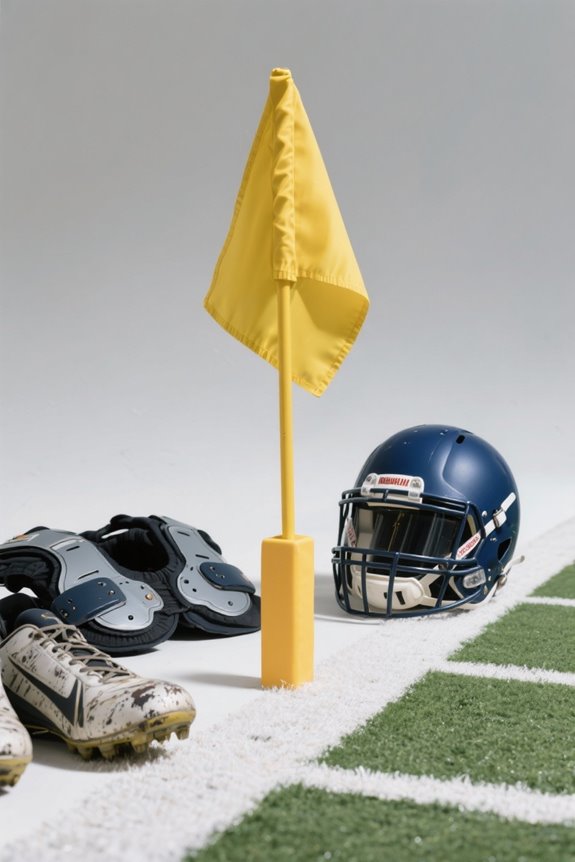
Defensive penalties in American football play an essential role in shaping the dynamics of a game, often providing the offense with advantageous opportunities. Common defensive penalties include offsides, encroachment, defensive holding, pass interference, and roughing the passer, each having specific yardage consequences and potential impacts on the game’s momentum. For instance, defensive holding results in a 5-yard penalty and an automatic first down for the offense, while roughing the passer incurs a 15-yard penalty along with an automatic first down. Such infractions lead to necessary defensive strategy adjustments to mitigate further penalties. Penalty impact analysis reveals that these penalties can considerably alter the outcome of drives and games, often shifting momentum dramatically in favor of the offense.
Offensive Penalties
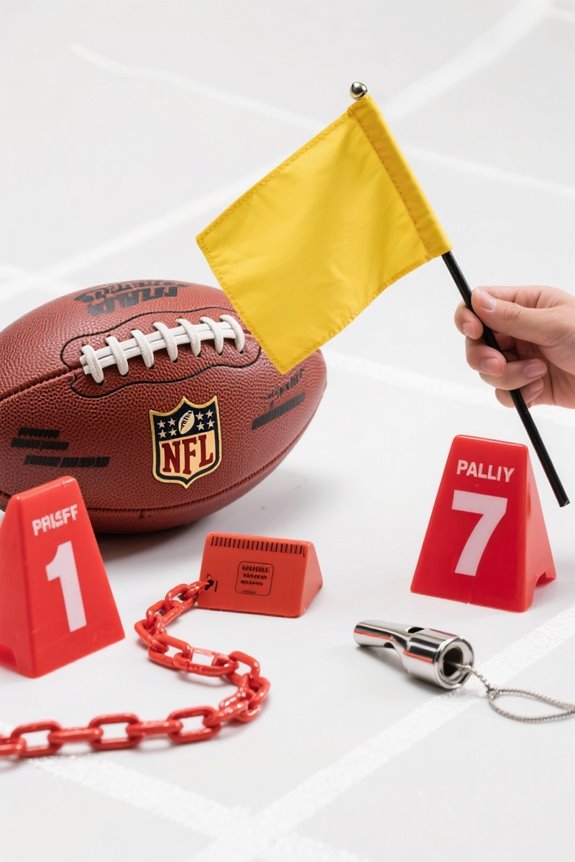
Offensive penalties markedly influence the flow and functionality of a football game, often interrupting the progress of offensive plays and impacting overall team performance. Common penalties, such as false starts and offensive holding, disrupt offensive strategies by imposing yardage losses and replaying downs. A false start incurs a 5-yard penalty and can severely impact essential plays. Offensive holding, resulting in a 10-yard penalty, frequently stalls drives and alters field position. Additionally, penalties like illegal formation and delay of game not only cost yards but also disrupt team momentum. Ensuring proper alignment and timing is vital, as illegal motions and shifts can also draw penalties, negatively affecting an offense’s rhythm and the overall effectiveness of their game plan. Ankle support cleats can aid players in maintaining stability and reducing injury risks during these critical moments.
Personal Fouls and Unsportsmanlike Conduct
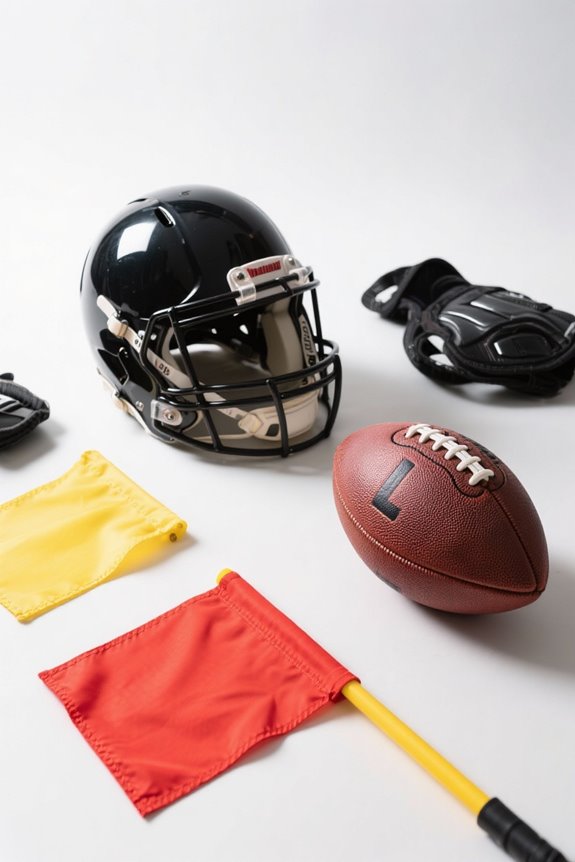
Personal fouls and unsportsmanlike conduct constitute critical aspects of American football, impacting player safety and overall game integrity. Personal foul types include unnecessary roughness, targeting, and face mask violations, which often lead to a 15-yard penalty and, if committed by the defense, an automatic first down for the offense. Unsportsmanlike conduct repercussions involve behaviors such as taunting or excessive celebrations, incurring similar penalties. Players receiving two personal fouls may face ejection, particularly for targeting, which mandates immediate removal from the game. Such infractions not only disrupt game flow but also risk disciplinary measures, including fines or suspensions, especially for repeated offenses. Adhering to these regulations fosters sportsmanship and player protection throughout competitions, highlighting the importance of safety certifications in maintaining player welfare on the field.
Procedural and Formation Penalties
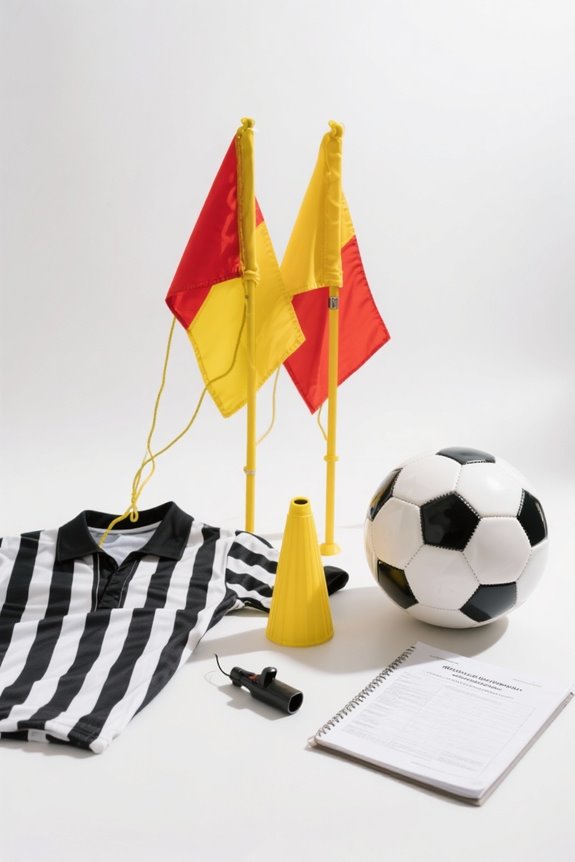
Procedural and formation penalties in American football are essential to maintaining the integrity of the game, as they govern the alignment and movement of players before the snap. These penalties primarily address violations of formation adjustments and motion regulations rather than physical contact. Common infractions include false starts, illegal formations, illegal motions, illegal shifts, and delays of game. For instance, a false start results in a 5-yard penalty and a replay of the down. Similarly, illegal formations occur when fewer than seven players line up on the line of scrimmage at the snap. Such infractions, enforced from the line of scrimmage, considerably impact field position and overall game strategy, demonstrating the importance of adhering to procedural rules. Consistently failing to adhere to these rules can lead to loss of yardage and affect a team’s overall performance in games.
Penalty Stat Records
Penalty statistics are a crucial aspect of understanding the dynamics of American football, highlighting the impact of infractions on gameplay and overall team performance. The record for most penalties accepted in a single NFL game stands at 37, set during the 1951 Bears–Browns matchup, which also saw a staggering total penalty yardage of 374 yards. In modern NFL history, the 1976 Seahawks–Buccaneers game is notable for 35 accepted penalties and 310 yards. Additionally, the Oakland Raiders hold the record for most penalties by a single team in a game, with 23 accepted penalties accruing 200 penalty yards against the Buccaneers in 2016. These records illustrate the significant consequences of penalties in games, as well as the importance of safety ratings in evaluating team strategies and player performance.
League Variations in Penalty Enforcement
Although the fundamental principles of penalty enforcement share similarities across various football leagues, significant differences exist between the NFL, CFL, college football, and international play governed by the IFAF. In the NFL, penalties typically result in yardage reductions of 5, 10, or 15 yards, with enforcement typically varying from specific spots. Conversely, CFL penalties allow greater variability in enforcement distances. IFAF variations also introduce unique rules, particularly after a change of possession, where automatic declines are common unless foul severity warrants otherwise. College football mirrors some NFL structures but includes specialized handling of fouls during try plays. Each league’s distinct approach affects the consistency and interpretation of penalties, ultimately influencing game dynamics. Additionally, the understanding of defensive strategies can play a crucial role in how teams navigate penalties and their enforcement.
Impact of Penalties on Game Strategy
In American football, the strategic consequences of penalties prominently influence both offensive and defensive game plans, shaping the overall course of a match. Penalties such as offensive holding can appreciably change manageable down situations into long-yardage scenarios, thereby constraining playcalling options. This often forces offenses to abandon running plays, leading to predictable passing strategies that defenses can exploit. On the defensive side, penalties advance the ball for the opposing team, improving field position and increasing their scoring probabilities. Effective penalty strategies are vital, as teams must balance risk and reward, adjusting their game momentum to avoid costly infractions while pursuing aggressive plays. Consequently, disciplined play management is essential for maintaining an advantageous game strategy. Moreover, the use of blocking pads in practice can help players develop better techniques to avoid penalties during games.
Consequences of Accumulating Penalties
When teams accumulate penalties throughout a game, the ramifications can considerably alter both their performance and competitive standing. Penalties lead to loss of yardage and can disrupt offensive progression, as a 10-yard holding penalty often results in the replay of a down, hindering scoring opportunities. In addition, defensive penalties can grant automatic first downs, allowing the opposing offense to maintain their drive and increase time of possession. This dynamic fosters momentum shifts, which can influence game psychology, causing frustration and a decline in team morale. Additionally, multiple penalties can worsen game flow, impacting a team’s overall effectiveness. Consequently, teams must manage penalties effectively to avoid adverse effects on their competitive edge and game strategy. Furthermore, effective helmet maintenance plays a crucial role in protecting players and reducing injury risks, underscoring the importance of overall preparation in the sport.
Frequently Asked Questions
How Do Penalties Affect Fantasy Football Scoring?
Penalties greatly influence fantasy football scoring adjustments, as penalty impact often reduces player yardage and opportunities. Offsetting penalties erase plays, while frequency affects team efficiency, leading to unpredictable fantasy outcomes across various positions.
Can Penalties Be Challenged by Coaches?
In the world of football, penalties are like untouchable deities; coaches cannot challenge most penalties through coach challenges. However, some specific penalty reviews, such as select pass interference calls, can occasionally alter game dynamics.
What Is the Referee’s Role in Enforcing Penalties?
The referee’s role in enforcing penalties involves overseeing penalty enforcement, communicating with teams about fouls, coordinating with officials, and managing game flow to uphold competitive integrity while ensuring transparency and professionalism in all announcements and actions.
How Do International Football Leagues Handle Penalties?
In a finely tuned orchestra, each note represents penalty enforcement in international football, where adherence to international rules varies by league. This variance shapes match outcomes, tactics, and player behavior, reflecting cultural interpretations of the game.
Are There Penalties for Officials’ Mistakes During the Game?
There are no penalties for officials’ mistakes during the game; however, the NFL employs official review processes to address significant errors. Referee accountability exists through scrutiny, yet no immediate repercussions occur for officiating misjudgments.


