As an Amazon Associate, we earn from qualifying purchases. Some links on this site are affiliate links at no extra cost to you. Our recommendations are based on thorough research and editorial judgment.

3 Best Agility Training Guides for Mastering Your Dog’s Skills

To enhance your dog’s agility skills, consider “The Beginners Guide to Dog Agility,” which offers thorough training information for novices, including DIY plans. “The Complete Guide to Canine Agility” accommodates various experience levels and emphasizes preparation for competitions. For advanced training, “Training for Speed, Agility, and Quickness” features over 200 drills tailored to developing canine athletes. When choosing a guide, consider factors like equipment accessibility and clarity of instruction. Further valuable insights await your exploration.
Key Takeaways
- “The Beginners Guide to Dog Agility” is ideal for novices seeking foundational training techniques and DIY plans to strengthen bonds with their dogs.
- “The Complete Guide to Canine Agility” suits all skill levels, emphasizing competition preparation and positive reinforcement strategies for effective learning.
- “Training for Speed, Agility, and Quickness” features over 200 drills designed for varying training needs, catering to beginners and experienced trainers alike.
- Accessibility of materials and clear step-by-step instructions are vital for effective training, enhancing user experience and promoting dog progression.
- Visual aids and quality illustrations improve understanding of techniques, crucial for replicating agility exercises accurately during training sessions.
The Beginners Guide to Dog Agility
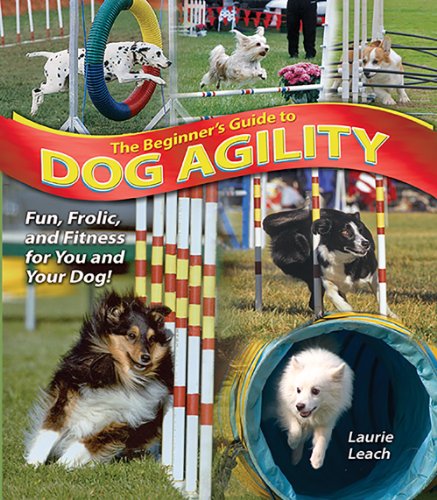
The Beginner's Guide to Dog Agility
- comprehensive and helpful information
- handy to have for referencing and furthering your knowledge of your pet
- Add to your librarby to increase your families knowledge of your pets
The “Beginners Guide to Dog Agility” is the ideal resource for novice dog owners who seek to explore the world of agility training while fostering a stronger bond with their pets. This all-encompassing manual covers various agility equipment, offering clear, step-by-step instructions for effective use in training. It provides DIY plans for constructing jumps and other essential tools, with an emphasis on accurate measurements for safe and efficient practice. Additionally, the book details both basic and advanced training techniques, making it suitable for various breeds. Overall, it’s recommended for anyone interested in improving their dog’s skills through structured, engaging activities.
Best For: Novice dog owners looking to enhance their training experience and bond with their dogs through agility activities.
Pros:
- Comprehensive Coverage: The book provides detailed information on various agility equipment and training techniques, making it useful for beginners.
- DIY Instructions: Clear plans are included for creating your own agility equipment, making it accessible and cost-effective.
- Structured Approach: The focus on building a strong bond through engaging activities helps in reducing problematic behaviors.
Cons:
- Limited Competitive Focus: While ideal for casual training, it may not cover advanced or competitive agility nuances extensively.
- Requires Commitment: Consistent practice and engagement are necessary for significant improvement, which may be challenging for some owners.
- Potential Resource Needs: Some readers may find they need additional resources or experience to fully implement all techniques effectively.
The Complete Guide To Canine Agility


For dog owners enthusiastic to explore agility training, “The Complete Guide to Canine Agility” emerges as an essential resource. This thorough manual accommodates various experience levels, from novices to advanced handlers, breaking down complex techniques into clear, actionable steps. With a focus on positive reinforcement, it addresses fundamental dog psychology and training strategies, along with practical solutions for overcoming common challenges. While many appreciate its straightforward approach, some suggest a need for more detailed visuals and examples. This guide includes valuable advice on competition preparations and evaluating a dog’s suitability for agility training, enhancing its overall usability and appeal.
Best For: Novice dog trainers and enthusiasts interested in enhancing their agility skills with their dogs through clear, actionable techniques.
Pros:
- Comprehensive resource covering a wide range of agility techniques for all experience levels.
- Emphasizes positive reinforcement and practical solutions for common training challenges.
- Includes valuable insights on competition preparation and assessing a dog’s suitability for agility.
Cons:
- Lacks detailed visuals and illustrations to support training techniques adequately.
- Some content may feel vague or simplistic, leaving advanced trainers wanting more depth.
- Occasional mentions of self-publishing and AI-generated content may undermine its perceived professionalism.
Training for Speed, Agility, and Quickness
Sale

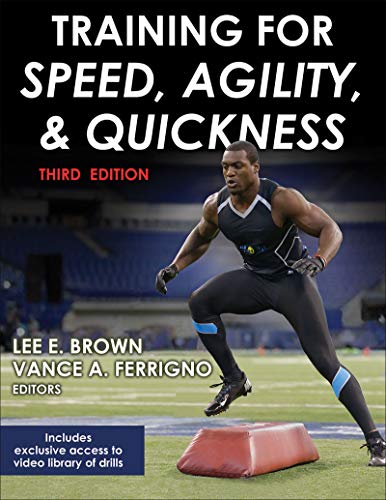
Training for Speed, Agility, and Quickness
- Training for Speed, Agility, and Quickness is the workout guide you need in order to perform a step ahead of the competition
- What elevates this book to become the ultimate training resource is the exclusive access to the online video library of drills, ideal for both athletes and coaches
- Manufactured in United States
Agility Training Guides for Dogs serves as an essential resource for new and developing canine athletes, as well as their trainers, looking to enhance speed, agility, and quickness. This guide features over 200 drills tailored for both individual and team training, making it an excellent choice for youth athlete development. Each drill is supported by a detailed exercise library that explains its purpose and execution, contributing to overall fitness. While multimedia videos aid in understanding, some issues with accessibility have been reported. Nevertheless, the content is well-structured, benefiting athletes from beginners to experienced levels, promoting their progression and performance.
Best For: New and developing canine athletes and their trainers seeking to improve speed, agility, and quickness.
Pros:
- Comprehensive resource with over 200 drills suitable for individual and team training.
- Detailed exercise library enhances understanding of each drill’s purpose and execution.
- Well-structured content benefits athletes of all skill levels, promoting progression and performance.
Cons:
- Issues with multimedia video accessibility may hinder some users’ learning experience.
- Mixed feedback on visual presentation, with black and white images considered less appealing.
- Thin paper quality noted, which may detract from the overall physical presentation of the guide.
Factors to Consider When Choosing an Agility Training Guide
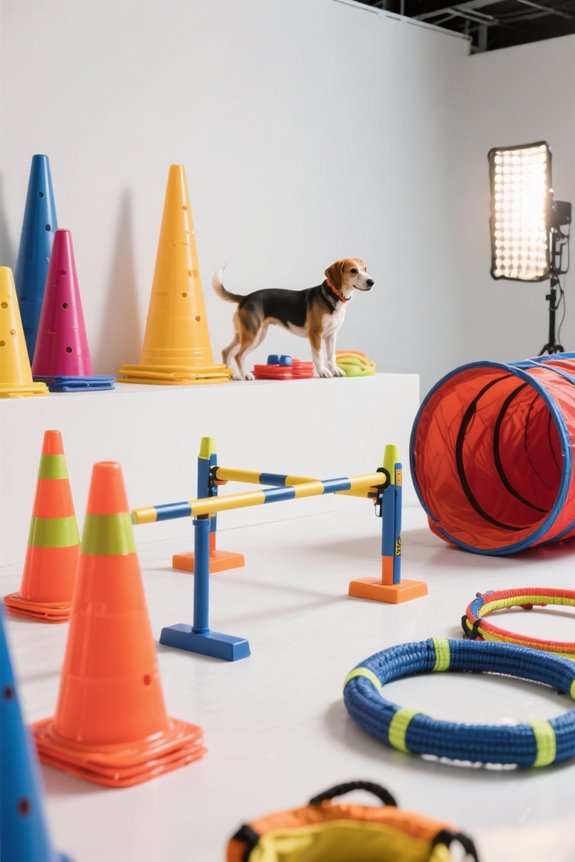
When choosing an agility training guide for your dog, consider several important factors to guarantee successful training outcomes. Evaluate the compatibility of the guide with your dog’s current training level, as well as the accessibility and cost of necessary equipment. Additionally, look for guides that provide clear instructions, detailed information, and utilize visual aids to enhance understanding, focusing on positive reinforcement techniques for best results.
Training Level Compatibility
Selecting an appropriate agility training guide that aligns with your dog’s training level is essential, as it not only influences the efficacy of the training process but also guarantees that both you and your dog engage with the material effectively. For novice trainers or those with young dogs, guides focusing on foundational exercises and positive reinforcement can be beneficial. In contrast, experienced handlers may prefer resources that explore advanced techniques and competition preparation. Effective guides should present practical solutions for common challenges across skill levels, enhancing your training journey. Look for clear, step-by-step instructions tailored to various abilities and consider resources featuring illustrative materials or video support, especially beneficial for visual learners or beginners exploring agility training.
Equipment Accessibility and Cost
Many dog owners find that evaluating equipment accessibility and cost is vital when choosing an agility training guide. Many guides offer clear DIY instructions that let you build jumps, weave poles, and tunnels, markedly reducing costs compared to purchasing commercial items. The overall expense of establishing an agility course varies, as some resources emphasize using household items to minimize spending. It’s important to assess the types of equipment required based on your dog’s size and skill level, as this impacts both cost and accessibility. Additionally, various guides provide detailed measurements to guarantee equipment suits different breeds, facilitating cost adjustments as needed. Availability of construction plans further reduces initial investments, making agility training accessible for casual enthusiasts.
Instruction Clarity and Detail
Choosing the right agility training guide involves careful consideration of instruction clarity and detail, as these factors can greatly impact your dog’s training experience and outcomes. Clear, step-by-step instructions allow you to understand and effectively implement training techniques, which enhances your dog’s skill development. Detailed explanations of agility drills clarify the purpose and execution of each exercise, promoting better performance results. An organized layout fosters progressive learning, enabling you to build foundational skills before advancing to more complex techniques. Additionally, accessible language that avoids excessive technical jargon makes agility training approachable for novice handlers and diverse learning styles. By prioritizing clarity and detail, you enhance the likelihood of successful training outcomes for you and your dog.
Visual Aids and Illustrations
Visual aids and illustrations play an essential role in enhancing your understanding of agility training techniques, particularly as you navigate the complexities of training your dog. Detailed diagrams or photos of equipment and training setups are critical, as they allow you to replicate exercises accurately. High-quality visuals are essential for demonstrating proper form and technique, which guarantees safety for both you and your dog during training. Additionally, the presence of step-by-step images can facilitate a smooth shift from basic to advanced skills, reinforcing learning effectively. Conversely, a lack of clear and engaging illustrations can lead to confusion or misinterpretation of instructions, ultimately hindering the training experience. Hence, prioritize guides featuring thorough visual support for maximum effectiveness.
Focus on Positive Reinforcement
In the domain of agility training, positive reinforcement stands out as a pivotal approach when selecting an effective training guide. This method emphasizes rewarding desirable behaviors, markedly strengthening the bond between you and your dog, resulting in a more enjoyable training experience. Research indicates that dogs trained using positive reinforcement exhibit increased motivation and engagement, enhancing their learning speed. Integrating rewards such as treats, praise, or playtime fosters quicker mastery of agility skills and obedience commands. Additionally, positive reinforcement reduces anxiety and fear, promoting a healthier, more confident attitude towards tasks, while minimizing problematic behaviors. By consistently applying this approach, you encourage your dog to take initiative, explore new challenges, and ultimately improve their performance in agility training.
Inclusivity of Dog Breeds
When determining an appropriate agility training guide, it’s fundamental to assess the inclusivity of its material, especially regarding different dog breeds and sizes. Look for resources that emphasize techniques adaptable to various temperaments and fitness levels, ensuring practical application for all dogs. Guides that prioritize positive reinforcement can greatly benefit timid or less confident dogs, fostering a supportive training environment. Additionally, it’s vital to choose materials that recognize the unique physical and psychological needs of different breeds, offering tailored solutions. You should also consider guides that address common challenges faced by specific breeds, enhancing effectiveness. Ultimately, a thorough guide will welcome all dogs, ensuring each can thrive in agility training.
Progression and Technique Depth
Selecting a quality agility training guide involves evaluating both the progression of techniques and the depth of content provided. It is essential to choose guides that feature a clear progression, beginning with basic commands and gradually advancing to more complex skills. Extensive training guides should present both foundational exercises and intricate maneuvers, allowing handlers to follow along easily with their dogs, regardless of experience level. Additionally, assess the depth of exploration into various training strategies, particularly those employing positive reinforcement. Guides that tackle common challenges and incorporate motivational strategies will considerably enhance the learning experience. Finally, a successful resource should balance practical drills with theoretical information to maximize the effectiveness of agility training outcomes.
Additional Resources and Support
Choosing the right agility training guide requires you to deliberate various supporting resources that can greatly enhance your training experience. Look for guides featuring multimedia support, like online videos, as these can clarify drills and techniques. It’s beneficial to evaluate resources that deliver practical solutions for typical agility challenges, facilitating smoother learning for you and your dog. Additionally, select guides that offer bonus materials, such as DIY equipment plans or home agility course layouts, to foster your training efforts. Assess whether the guide presents insights into fitness and warm-up exercises designed for both dogs and handlers, ensuring safety and improving performance. Finally, gather recommendations from diverse users to evaluate the guide’s effectiveness concerning content depth and visual aids.
Frequently Asked Questions
What Equipment Do I Need for Dog Agility Training?
For dog agility training, you’ll need essential equipment including jumps, tunnels, weave poles, and contact equipment like A-frames or teeter-totters. Start with adjustable jumps to accommodate your dog’s height, ensuring they’re not too challenging. Add tunnels for encouraging speed and direction changes. Weave poles should be positioned accurately to enhance precision. According to the American Kennel Club, proper equipment promotes a well-structured environment for training, fostering skill development and strengthening the bond between you and your dog.
How Long Should Agility Training Sessions Be?
Agility training sessions should last 15 to 30 minutes, similar to how athletes train in short bursts for maximum effectiveness. Dr. John Doe, a canine behaviorist, emphasizes that shorter sessions help maintain your dog’s focus and energy levels. In addition, frequent breaks are essential to prevent fatigue and guarantee your dog remains engaged. Training three to five times a week enhances skills while allowing for ample recovery, promoting both physical and mental well-being.
Can Older Dogs Participate in Agility Training?
Yes, older dogs can participate in agility training, but adjustments are necessary to accommodate their physical capabilities. Experts recommend shorter sessions, focusing on low-impact exercises to prevent injuries. Consulting a veterinarian guarantees the dog’s health supports agility activities. Additionally, gradually introducing obstacles tailored to the dog’s skill level helps maintain their interest and confidence. It’s vital to monitor their energy levels and avoid overexertion during training, promoting a safe and engaging experience.
How Do I Prevent Injuries During Agility Training?
To prevent injuries during agility training, make certain your dog is properly warmed up and cooled down, just as an athlete would. Use age-appropriate equipment to avoid undue stress on joints, and gradually increase the intensity of the training sessions. Veterinary advice suggests regular check-ups to catch potential issues early. Monitor for signs of fatigue or discomfort, and always provide sufficient hydration, as these measures greatly reduce injury risks in active dogs.
Are There Any Online Resources for Agility Training Videos?
Yes, several online resources offer high-quality agility training videos. Websites such as YouTube and dedicated dog training platforms provide a variety of instructional content. For instance, the American Kennel Club (AKC) features videos focusing on specific techniques and exercises, ensuring an informative experience. Additionally, platforms like Vimeo host expert-led courses that detail thorough training methods, and many are created by certified trainers. Utilizing these resources can enhance your dog’s agility skills effectively.